Imagine getting a warning about a gas leak three blocks from your house-before the city even posts a notice. Or being told about a sudden road closure because of a fallen tree, right as you’re about to drive to work. This isn’t science fiction. It’s happening right now, in neighborhoods from Berlin to Asheville, through something simple: a Telegram bot that knows exactly where you are.
What Makes Telegram Bots Different from Other Alerts
Most emergency alerts you get-like the Wireless Emergency Alerts on your phone-are broad. They cover entire counties or zip codes. That means if there’s a fire in downtown, you’ll get the same alert whether you live five miles away or right next door. It’s noisy. It’s useless. And too often, it arrives too late. Telegram bots fix that. They don’t blast messages to everyone in a 10-mile radius. They send alerts only to people within 500 meters of an incident. That’s the size of a city block. You get updates that matter to you, not the whole city. How? It uses your phone’s location. When you turn on location sharing in Telegram, the bot gets your exact coordinates. It doesn’t track you all day. It just checks your position when you join the channel or when something happens nearby. If you’re within range, you get the alert. If not, you don’t. No spam. No noise. This isn’t just about emergencies. It’s about everything local: a neighborhood block party, a power outage on Maple Street, a lost dog near the park, a school closure because of icy roads. These are the stories that local newspapers used to cover-but 2,100 U.S. communities have lost their local paper since 2004. Telegram bots are filling that gap.How These Bots Actually Work
Behind the scenes, these bots are built with Python, FastAPI, and geospatial tools like GeoPandas. They don’t need fancy hardware. They run on cheap cloud servers. But what makes them smart is how they handle location. Here’s the step-by-step:- You open Telegram and search for a local bot-like “AshevilleAlerts” or “DowntownNeighborhoodWatch.”
- You tap “Start” and agree to share your location.
- The bot saves your coordinates (latitude and longitude) with four decimal places-that’s accurate to about 11 meters.
- When something happens-a fire, a protest, a pothole report-the bot checks its database of events and matches them to nearby users.
- Within seconds, you get a message: “Gas leak reported at 123 Oak St. Avoid area. Evacuation order issued.”
Where It Works Best-and Where It Doesn’t
These bots thrive in cities where Telegram is popular. In Berlin, 38% of smartphone users use Telegram. There are 89 hyperlocal bots running just in that city. In Brazil and Ukraine, adoption is growing fast too. But in the U.S.? Only 8.3% of smartphone users use Telegram. That’s a problem. If most people aren’t on the platform, the system fails. A bot can’t warn a neighborhood if half the people aren’t signed up. And it doesn’t work well in rural areas. If you live 10 miles from the nearest town, there’s no data source. No municipal feed. No community reports. The bot has nothing to pull from. Also, it needs a smartphone. About 15% of U.S. adults don’t own one. That’s mostly older people, low-income families, or people in remote areas. They’re left out. And that’s not just a tech issue-it’s an equity issue. Battery drain is another complaint. If the bot checks your location every few minutes to stay accurate, your phone uses more power. Some users report 15-20% faster battery drain. Developers are fixing this by switching to “on-demand” location checks-only pulling your position when an alert is triggered.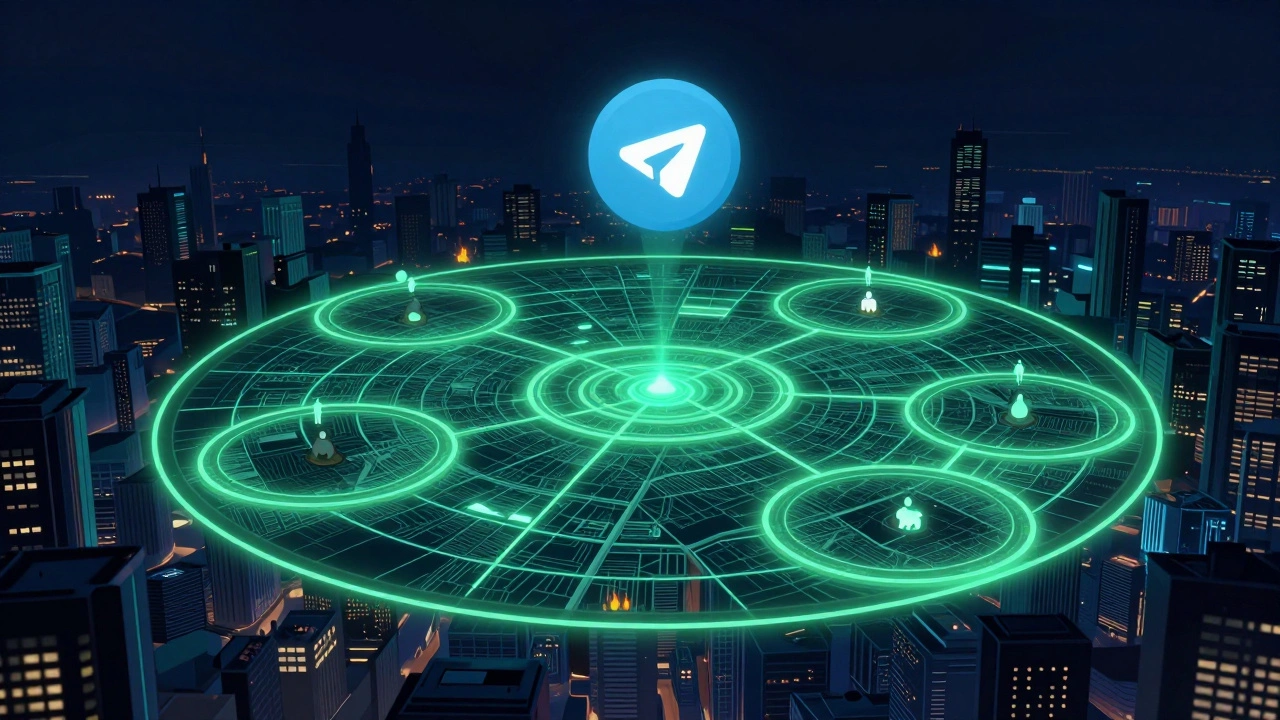
Real Stories from the Ground
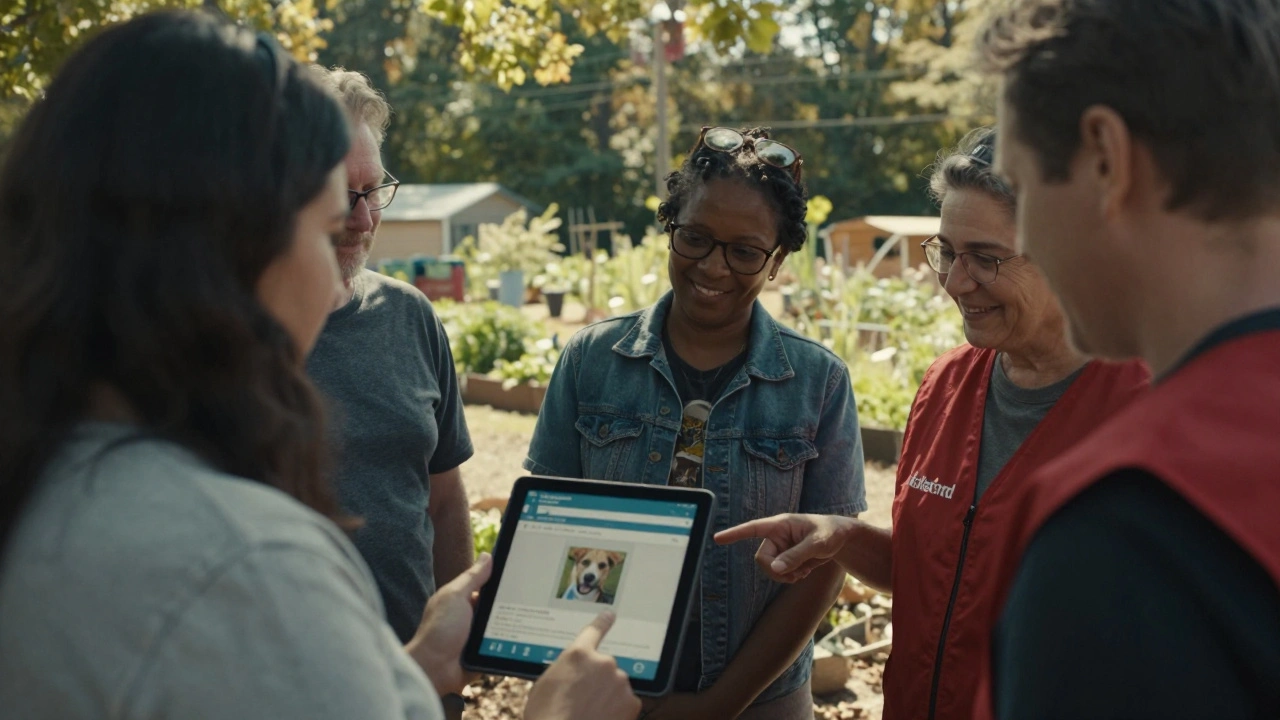
Anna Schmidt, a mom in Berlin, got a bot alert about a gas leak near her apartment. “It came eight minutes before the official city notice,” she said on Reddit. “I had time to get my kids out and shut the gas valve. That bot saved us.” In Asheville, a local group started “AshevilleNeighborhoodWatch” last year. They use it to report broken streetlights, suspicious activity, and even lost pets. One user found their dog after the bot shared a photo someone took at the park. No police report. No Facebook group. Just a simple message. But it’s not perfect. A user in Portland reported false alerts because their phone’s location was off by 200 meters. The bot thought they were near a fire drill when they were actually at home. That kind of error erodes trust.Why Cities Aren’t Adopting This Faster
You’d think emergency services would jump on this. After all, 78% of city managers surveyed said they’re interested. But only 32% have actually implemented it. Why? Three big reasons:- They’re scared of relying on Telegram. What if Telegram shuts down? What if it changes its API? What if it gets banned in their country?
- Telegram doesn’t officially support geofencing for bots. Developers have to hack around it-which could break rules and get the bot banned.
- They need legal approval. Sharing location data requires consent under GDPR in Europe and similar laws in the U.S. Getting that right is slow and expensive.
The Future: What’s Coming Next
Telegram says it’s working on official geofencing APIs-expected in Q3 2024. That’s huge. Right now, bots use workarounds. Once Telegram gives developers a real tool, accuracy will jump, battery drain will drop, and more cities will feel safe to adopt it. AI is making these bots smarter too. Instead of sending every report, they learn what you care about. If you always click on alerts about traffic, you’ll get more of those. If you ignore pet lost reports, you won’t see them anymore. One beta system cut irrelevant alerts by 63%. Some cities are already testing integration with FEMA’s IPAWS system. That means a Telegram alert could trigger a siren, a radio broadcast, and a phone alert-all at once. Imagine a tornado warning that hits your phone, your TV, and your neighbor’s speaker, all at the same time. And it’s not just for emergencies. Real estate agents are using them to send updates about new listings in your exact neighborhood. Community groups are using them to organize cleanups or petition drives. Local businesses are promoting events only to people within walking distance.Should You Use One?
If you live in a city with a Telegram bot for your neighborhood-yes. It’s free. It’s fast. It’s specific. And if you’re tired of getting alerts that don’t apply to you, it’s a game-changer. But if you’re in a rural area, or you don’t use Telegram, or you’re not comfortable sharing your location? Then it’s not for you. And that’s okay. The goal isn’t to replace all emergency systems. It’s to give people who want more control over their information a better option. Start by searching Telegram for “[Your City]Alerts” or “[Your Neighborhood]Watch.” If you find one, try it. If not, talk to your local council. Ask if they’ve considered partnering with a community group to launch one. It doesn’t take a big budget. Just a few volunteers and a little tech know-how. This isn’t about replacing newspapers or police departments. It’s about giving communities the tools to look out for each other. And in a world where trust in institutions is crumbling, that might be the most important thing of all.Do Telegram hyperlocal bots work in rural areas?
Not well. These bots rely on dense data sources-municipal feeds, community reports, and high user density. Rural areas often lack these. If no one is reporting incidents, and few people use Telegram, the system has nothing to work with. They’re designed for cities, not isolated towns.
Is my location data safe with these bots?
Yes, if used properly. Telegram bots only access your location when you explicitly share it. They don’t track you continuously. Most bots delete your data if you leave the channel. But always check the bot’s privacy policy. Avoid bots that ask for location without clear consent.
Can I build my own hyperlocal Telegram bot?
Yes, but it’s not simple. You need Python skills, knowledge of Telegram’s Bot API, and access to local data sources like city APIs or RSS feeds. Basic versions take 2-3 hours. True hyperlocal bots with geofencing take 40-80 hours. GitHub has open-source templates, like lnl_telegram_bot, to help you start.
Are these bots legal in the U.S.?
Yes, as long as users give clear, voluntary consent to share location. No federal law bans them. But if you’re a city or organization running one, you must follow local privacy laws. In some states, you need written opt-in. Always consult a legal expert before launching a public bot.
How do these bots compare to Nextdoor or Facebook Groups?
Telegram bots are faster, more automated, and location-accurate. Nextdoor and Facebook rely on users posting manually, which leads to delays and misinformation. Telegram bots push alerts instantly based on verified data. They also don’t show ads or algorithms that bury important posts. For emergencies, they’re far more reliable.
What happens if Telegram shuts down?
If Telegram goes offline, the bots stop working. That’s the biggest risk. That’s why some cities are building backup systems-like SMS fallbacks or independent apps. But for now, Telegram is the most accessible platform with the right tools. The community is already exploring alternatives like Signal or Matrix, but none match Telegram’s reach and API flexibility yet.