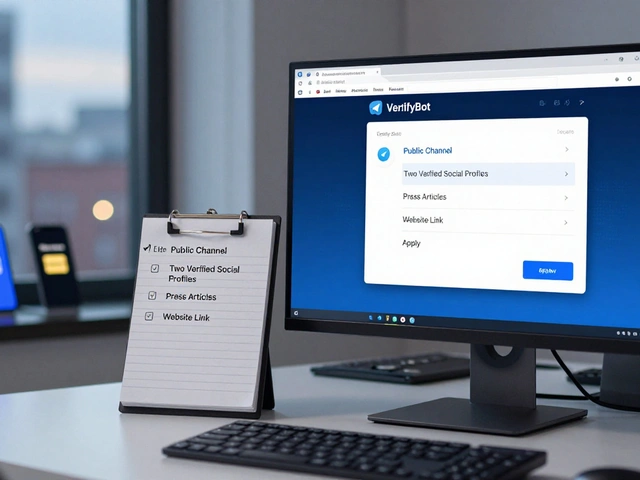
Print to Telegram: How to Share News from Other Platforms to Telegram Channels
When you print to Telegram, the act of forwarding or automating content from external sources into a Telegram channel. Also known as news syndication to Telegram, it’s how journalists, bloggers, and citizen reporters turn articles, alerts, and live updates into real-time streams for their audiences. This isn’t just copying and pasting. It’s about building a reliable pipeline that delivers accurate, timely news without manual effort—especially when you’re covering breaking events, tracking government updates, or running a local news channel with limited staff.
Most people start with RSS feeds, structured web feeds that deliver headlines and summaries from websites in real time. Also known as web syndication, they’re the backbone of automated news on Telegram. Tools like RSS-to-Telegram bots let you connect your favorite news sites—BBC, Reuters, or even a local blog—to your channel. No more refreshing pages. No more missing updates. The moment a new article goes live, it lands in your subscribers’ feeds. But it’s not just about automation. You need to format it right. Bold headers, clear line breaks, and spoiler tags help your posts stand out in a crowded feed. And if you’re pulling from multiple sources, filters keep out low-quality content or duplicate stories.
Then there’s the Telegram API, a developer tool that lets software directly send messages to Telegram channels without user interaction. Also known as bot integration, it’s what powers professional newsrooms. News organizations use it to push alerts from their CMS, monitor breaking events via sensors, or auto-post press releases. It’s faster than any human can type. But it also demands responsibility. Poorly configured bots can flood channels with junk. That’s why top users pair the API with moderation rules—like delaying posts for fact-checking or requiring a human approval step for sensitive topics.
Don’t forget content verification, the process of confirming the accuracy of news before it hits your channel. Also known as source validation, it’s non-negotiable. If you’re printing news from Twitter, Reddit, or local forums, you’re inviting misinformation. The best users build in checks: cross-referencing with trusted outlets, using reverse image search, or tagging unverified claims with warnings. Telegram doesn’t fact-check for you. You have to.
And it’s not just about where the news comes from—it’s about who’s receiving it. Your audience expects speed, but also trust. If your channel prints every headline from every source, you’ll lose credibility fast. The smartest users curate. They pick three or four reliable sources and stick to them. They label the origin. They explain why they’re sharing it. That’s how you turn a simple feed into a trusted news hub.
Below, you’ll find real-world guides on how to set up these systems—whether you’re using a free bot, coding your own script, or managing a team of volunteers. You’ll learn how to avoid common mistakes, spot impersonators, and use analytics to see what’s working. No fluff. Just what you need to make Telegram work as your primary news distribution tool.

- 3/Dec/2025
- by Greg Bush
-
 QR codes for Telegram
Telegram news channel
print to Telegram
QR code scan rate
Telegram channel growth
QR codes for Telegram
Telegram news channel
print to Telegram
QR code scan rate
Telegram channel growth
How to Use QR Codes in Print to Grow Your Telegram News Channel
QR codes in print media are a fast, reliable way to grow your Telegram news channel. Learn how to design, place, and track them for maximum subscriber growth with real-world results and expert tips.
Read