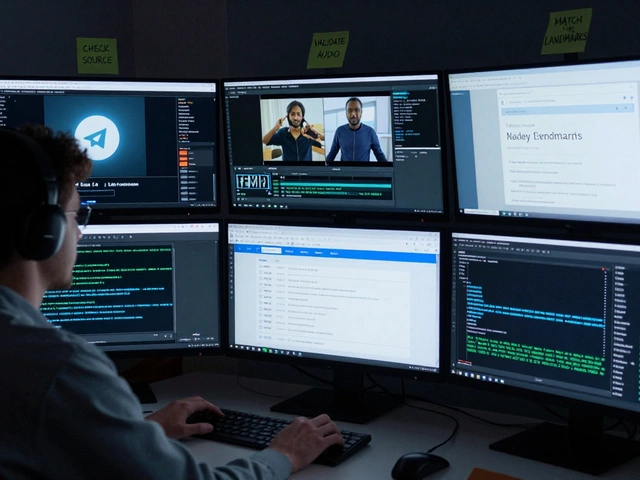
Every day, fake Telegram channels pop up pretending to be major news outlets, TV stations, and digital media brands. Users click on them, share misleading stories, and even send money-thinking they’re interacting with the real thing. This isn’t just a minor annoyance. It’s a growing threat to trust, reputation, and public safety. For media brands, Telegram verification isn’t a luxury-it’s a necessity.
Why Telegram Verification Matters for Media Brands
Telegram has over 900 million users. That’s a massive audience. But with that size comes chaos. Anyone can create a channel with a name like "CNN News" or "BBC Breaking" and start posting fake headlines. Without a way to tell real from fake, users have no way to know who to trust.
That’s where the blue checkmark comes in. It’s Telegram’s way of saying: "This account is officially verified. It’s the real deal." For media brands, this badge isn’t about prestige. It’s about survival. If your audience can’t tell your channel apart from a scammer, your credibility is at risk. And once trust is broken, it’s nearly impossible to rebuild.
Telegram doesn’t verify personal accounts. It only verifies public channels, bots, and groups representing organizations, public figures, or brands. That means if you’re a media outlet, you qualify-but only if you meet strict criteria.
How Telegram Verification Works in 2026
Telegram’s verification system is built on trust across platforms. You can’t just apply and get verified overnight. Here’s how it actually works:
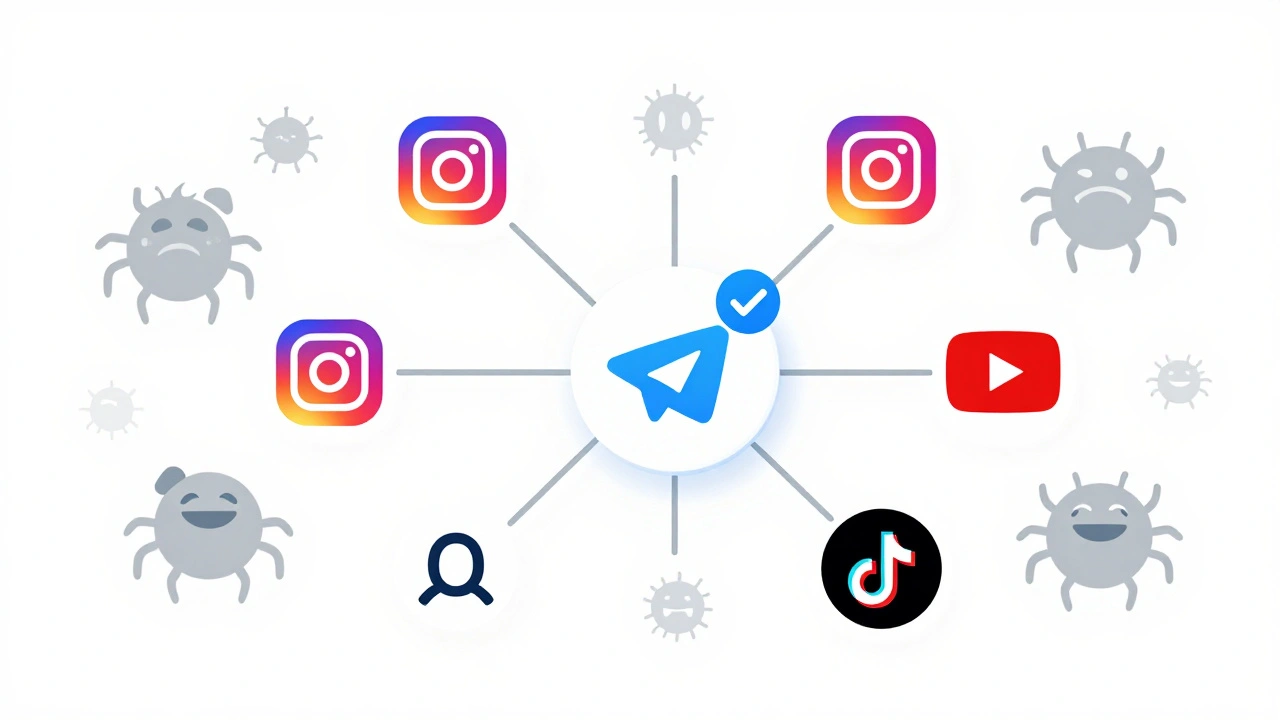
- First, you need verified accounts on at least two of these seven platforms: TikTok, Instagram, Facebook, YouTube, Twitter, VK, or Snapchat.
- Those external accounts must include a working, clickable link to your official Telegram channel in their bio or profile.
- You then go to @VerifyBot on Telegram, click "Start," and fill out the form with your channel’s username and the usernames of your verified social media accounts.
- Telegram’s team reviews your application. There’s no guarantee of approval, and you won’t get a rejection email. You just check your channel profile to see if the blue badge appears.
The whole process is free. If someone messages you offering to "get you verified for $50," it’s a scam. Telegram never charges for this.
Media brands that skip this step are leaving themselves exposed. Impersonators don’t need to be perfect-they just need to be close enough to fool someone scrolling quickly on their phone.
The New Third-Party Verification System
In 2026, Telegram added another layer: third-party verification. This isn’t just about the blue checkmark anymore. It’s about context.
Once you have the blue badge, you can apply to be verified by a trusted third party-like a journalism association, a media watchdog, or an industry group. If approved, your channel gets a custom icon next to your name. A news organization might get a microphone icon. A food media brand might get a chef’s hat. A science outlet might get a lab flask.
This matters because it tells users: "This isn’t just verified. It’s verified by experts in this field." It adds credibility beyond what the blue checkmark alone can do.
To become a third-party verifier, an organization must already have its own verified Telegram bot. Then it applies to Telegram to issue custom icons. This keeps the system controlled and trustworthy. It’s not open to anyone. Only recognized institutions can join.
How Impersonators Target Media Brands
Here’s how fraudsters operate:
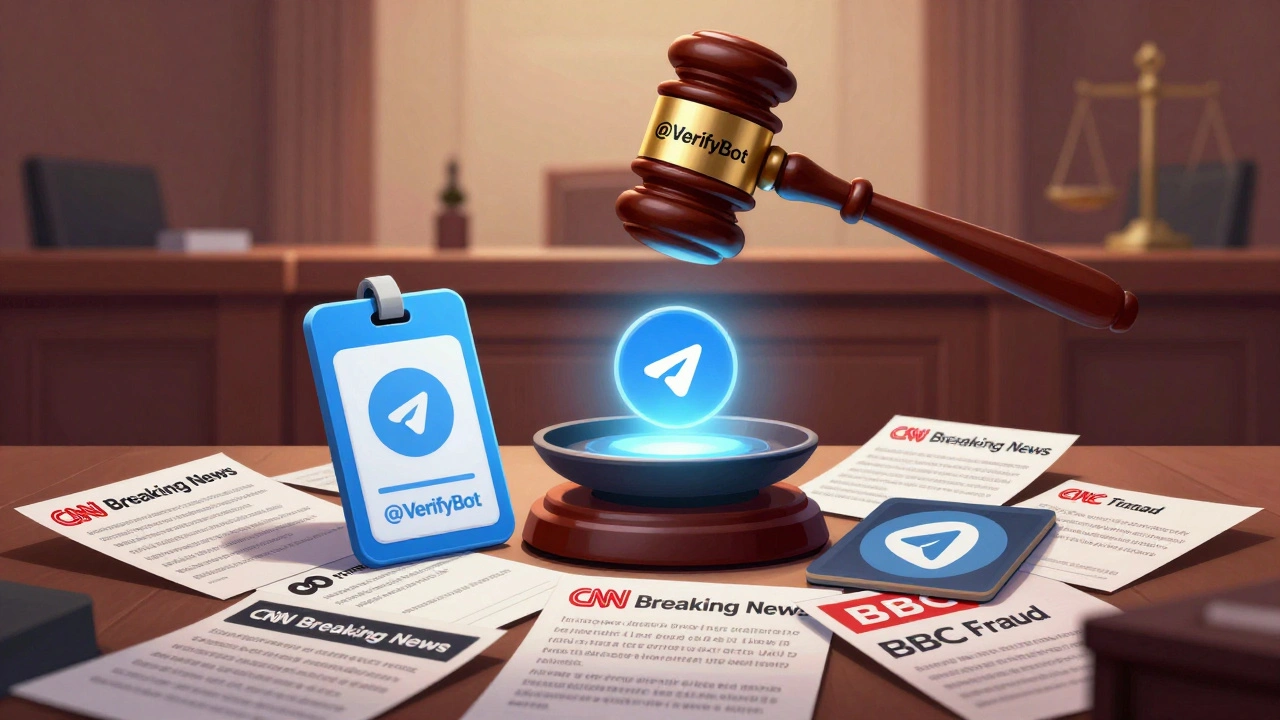
- They create a channel named "CNN Breaking News"-just one letter off from the real "CNN News."
- They post fake breaking stories-"BREAKING: Major City Declares Emergency"-to drive clicks and shares.
- They use the same logo, colors, and tone as the real brand to look authentic.
- They even reply to comments pretending to be moderators.
And because Telegram’s search function doesn’t prioritize verified accounts in all cases, fake channels can sometimes appear above the real one. That’s dangerous. If a user sees "CNN Breaking News" at the top of their search results and clicks it, they’re being misled before they even open the first message.
Some impersonators go further: they create fake Telegram bots that ask users to "confirm their identity" by sending personal data. Others run scams where users are asked to "donate" to support "journalistic efforts." These aren’t just annoying-they’re criminal.
What Media Brands Must Do to Stay Safe
Here’s your action plan:
- Verify your social media accounts first. Get verified on YouTube and Instagram. They’re the most trusted and easiest to qualify for. Make sure your bio links directly to your Telegram channel.
- Use the same name everywhere. If your Telegram channel is @CNNOfficial, your Instagram and YouTube should be the same. Consistency builds recognition.
- Link your Telegram channel everywhere. Put the link on your website, in email newsletters, on your TikTok profile, in your Twitter header. The more places you show your official Telegram, the harder it is for impersonators to compete.
- Apply to @VerifyBot. Don’t wait. Submit your application as soon as you meet the two-platform requirement.
- Apply for third-party verification. If you’re a news organization, reach out to journalism associations. They can help you get the custom icon that signals authority.
- Monitor for fake accounts. Set up Google Alerts for your brand name + "Telegram." If you find a fake, report it immediately through Telegram’s reporting tools.
Don’t assume your audience will know the difference. Most people don’t check usernames carefully. They see a logo and assume it’s real. Your job is to make sure the real one stands out.
Why This System Works Better Than Others
Compare this to other platforms. Some charge for verification. Others let anyone buy a badge. That leads to confusion, fraud, and loss of trust.
Telegram’s system is different. It doesn’t rely on money. It relies on proof. If you’re a real media brand, you already have verified accounts on major platforms. That’s not easy to fake. Creating five or six verified social media profiles with real followers, real content, and real links takes time, resources, and legitimacy.
Impersonators can’t replicate that. They don’t have access to your official website, your legal team, or your press contacts. They can’t get verified on YouTube if they’re not the real organization.
That’s why Telegram’s multi-platform requirement is genius. It doesn’t just check one thing. It checks your entire digital footprint.
What Happens If You Don’t Get Verified
If you don’t get verified, your channel will still exist. But it will compete with dozens of fake ones. Users will be confused. Engagement will drop. Your audience might start trusting other sources instead.
And when a fake channel spreads false information under your name, you have no official way to respond. Telegram doesn’t give unverified channels the tools to warn users. Only verified ones can pin messages, post official corrections, or use the badge to prove authenticity.
In short: no verification = no control. And in today’s media landscape, losing control means losing your audience.
Can I get verified on Telegram if I’m a small media outlet?
Yes. Telegram doesn’t require you to be a giant brand. But you must be a recognized public entity. If you have a website, a history of publishing, and verified accounts on at least two major social platforms (like YouTube and Instagram), you qualify. It’s not about size-it’s about legitimacy.
How long does Telegram verification take?
There’s no fixed timeline. Reviews can take anywhere from two to six weeks. Telegram doesn’t send updates, so you’ll need to check your channel profile manually. If you don’t see the blue checkmark after a month, double-check that your social media links are live and correct.
Can I reapply if my verification is denied?
Absolutely. Telegram doesn’t ban reapplications. If you’re rejected, it’s usually because your social media accounts aren’t fully verified or your Telegram channel isn’t clearly linked. Fix those issues, wait a few weeks to build more consistency, then try again.
Do I need to verify my bot if I have a channel?
Yes, if you’re using a bot for automated messaging, news alerts, or user interaction. Bots are treated as separate entities. You must verify them individually through @VerifyBot. A verified channel doesn’t automatically verify your bot.
Can I use Wikipedia as proof for verification?
Wikipedia isn’t required, but having a well-maintained Wikipedia page can strengthen your application. It’s seen as an independent sign of notability. If your media brand has a Wikipedia page that links to your official website and Telegram channel, include it in your application-it helps.
What if someone else already took my channel name?
If a fake account already exists with your name, report it immediately using Telegram’s "Report" feature. Then, create your channel with a slight variation (like @YourBrandOfficial) and clearly state in your bio that this is the only official channel. Once verified, the real one will get the blue badge and rise above impersonators in search.
Final Thought: Verification Is Your First Line of Defense
On Telegram, your brand doesn’t just compete with other media outlets. It competes with fraudsters. And they’re getting smarter.
The blue checkmark isn’t a reward. It’s a shield. Without it, you’re leaving your audience vulnerable-and your reputation at risk. If you’re a media brand, you don’t have the luxury of waiting. Start with your social media. Link your Telegram. Apply through @VerifyBot. Then, chase the third-party badge.
Because in a world full of fakes, being verified isn’t about being special. It’s about being real.
Latest Posts