Key Takeaways for Pricing
- Official Platform: Uses a CPM (Cost-Per-Mille) auction model, typically ranging from $1 to $5 per 1,000 views.
- Direct Deals: Highly variable; niche channels can charge anywhere from $1 to $10,000 per 24-hour placement.
- High-Value Verticals: Real estate and investment channels command the highest premiums, often charging per subscriber.
- Geo-Tiers: Advertisers pay significantly more for audiences in Tier 1 countries (USA, Germany, UAE) than in Tier 3 regions.
The Official Telegram Ads Platform Model
If you aren't negotiating via DMs, you're likely using the Telegram Ads Platform. This is a programmatic system, meaning it works like a giant auction. The core metric here is CPM-the cost for every thousand impressions. While the technical minimum is as low as 0.1 Toncoin, the real-world market is much different. In 2026, most active regions see CPMs between $1 and $5. However, it isn't just about who bids the most. Telegram uses a relevance score. If your ad has a terrible click-through rate (CTR) or poor creative quality, the system might pick a cheaper ad that users actually like over your expensive, boring one. One quirk to keep in mind: Telegram protects the user experience by limiting ads to one per user per day. This makes every single impression precious, which is why competition in high-value niches can drive prices up quickly.Geographic Tiers: Why Location Changes the Price
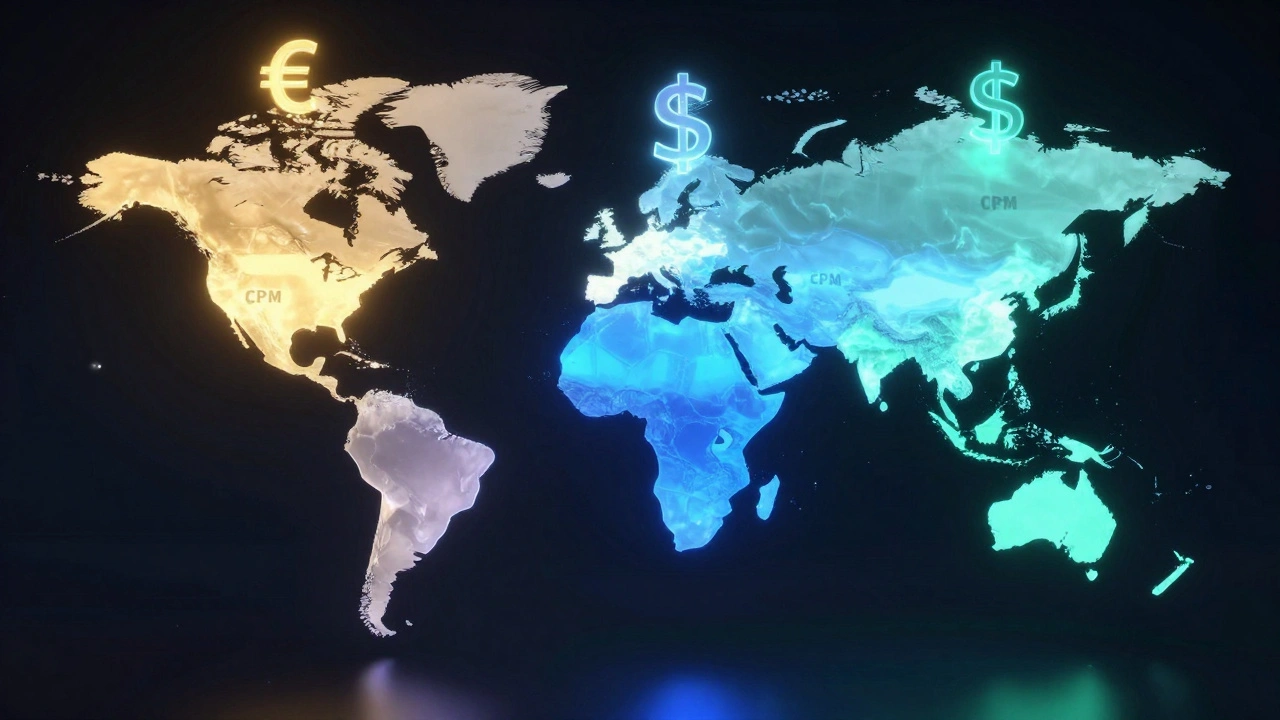
Not all followers are valued equally by advertisers. A subscriber in New York is generally "worth" more to a global brand than a subscriber in Jakarta because of purchasing power. The market has split into three distinct tiers:- Tier 1 (USA, Germany, France, UAE): The most expensive. CPMs can hit €10-12, especially when promoting bots or external websites.
- Tier 2 (Poland, Turkey, Latin America): The middle ground, with CPMs usually hovering between €3 and €5.
- Tier 3 (India, Indonesia, Egypt): The budget-friendly zone, where CPMs can start as low as €1.5.
| Tier | Example Countries | Estimated CPM | Pricing Driver |
|---|---|---|---|
| Tier 1 | USA, Germany, UAE | €10 - €12 | High Purchasing Power |
| Tier 2 | Poland, Turkey, Brazil | €3 - €5 | Emerging Markets |
| Tier 3 | India, Egypt, Indonesia | €1.5 - €3 | High Volume/Lower Cost |
Direct Sponsorships: Negotiating with Owners
Direct deals are where the real money is for creators. Unlike the official platform, direct sponsorships aren't bound by a strict CPM formula. You're selling a "shoutout" or a partnership. For smaller niche channels, basic sponsored posts might start around $300. But for high-engagement hubs, a single multi-channel campaign can easily exceed $6,000. The pricing here is often based on a 24-hour window. A post stays up for a day, and the price is determined by how many people are expected to see it during that peak window. If you're in a specialized field, you can ditch CPM entirely and charge per subscriber. For instance, if you run a channel focused on high-net-worth individuals, charging €2-3 per subscriber is common. Real estate channels are the gold standard here, often commanding €5 per subscriber because the commission on a single home sale is so high that the advertiser is happy to pay a premium for a qualified lead.Pricing by Content Category
What you talk about matters as much as who follows you. Different niches have different "conversion values." A person following a news channel is looking for information; a person following an investment channel is looking for a way to make money. Advertisers pay a premium for the latter.- Media and News: These have the highest average costs (around $20 per post) because of their massive reach.
- Politics and Law: Average around $14 per post, driven by high-stakes advocacy and campaign spending.
- Education and Science: Steady at about $11 per post, attracting software and course providers.
- Entertainment and Hobbies: Usually the cheapest, averaging $10 per post, as these audiences are often seen as less likely to make immediate high-ticket purchases.

Entry Points and Budget Requirements
If you're just starting out, the barrier to entry depends on your goals. If you want to use the official platform for basic bot subscriptions, you can start with as little as €2 to €4. If you want a click-based campaign to drive traffic to a website, expect to spend €5 to €10 as a starting point. However, if you want the "fancy" stuff-like high-quality video ads or flexible image creatives on the official platform-Telegram locks those behind a €10,000 minimum budget. This effectively separates the small-time testers from the professional agencies. For direct deals, there is no formal minimum. You can find a small niche creator and pay them $50 for a post. The key is to look for engagement rates, not just subscriber counts. A channel with 1,000 active, chatting members is worth more than a channel with 10,000 ghost followers.How do I calculate a fair price for my first sponsored post?
Start by looking at your average views per post over the last 30 days, not your total subscriber count. If you're in a general niche, a CPM of $2-$5 is a safe starting point (e.g., 10,000 views = $20-$50). If you're in a high-value niche like Finance or Real Estate, you can double or triple that rate based on the quality of your audience.
What is the difference between CPM and CPS in Telegram?
CPM (Cost Per Mille) is based on views-you get paid for every 1,000 people who see the ad. CPS (Cost Per Share) is more common in gaming or viral niches, where the advertiser pays based on how many times the post is forwarded or shared to other chats.
Are pinned posts more expensive than regular posts?
Yes, usually. A pinned post stays at the top of the chat, meaning every new person who joins the channel or returns to the chat sees it. Because of this increased visibility and "permanent" feel, creators typically charge a premium-often 20% to 50% more than a standard post.
Is the official Telegram Ads platform better than direct deals?
It depends on your scale. The official platform is better for reaching a massive, broad audience with minimal effort via auctions. Direct deals are better for high-conversion, trust-based selling where the channel owner "vouches" for the product, which usually results in higher quality leads.
How can I track if a sponsorship is actually working?
The best way is to use unique invite links or UTM parameters. By giving each sponsor a specific link, you can see exactly how many clicks came from your channel and how many of those people actually subscribed or bought a product.