When a missile strikes or a front line shifts, you don't wait for the evening news. You check your phone. For years, Twitter was the go-to spot for breaking updates, but something has changed. Today, if you want raw, unfiltered, and immediate information about wars and global conflicts, you are likely looking at Telegram, which is a cloud-based messaging platform that has evolved into a primary hub for real-time geopolitical news and conflict coverage. It’s not just an app for sending messages to friends anymore. It has become what experts call a "digital battlefield." During the full-scale Russian invasion of Ukraine, which began on February 24, 2022, Telegram transformed from a niche messenger into the world’s fastest distribution network for war reporting. But why does it work this way? And how do you navigate a feed where propaganda, verified intelligence, and civilian footage all mix together? Here is how Telegram handles real-time war coverage, who runs the major channels, and how you can separate fact from fiction in this chaotic ecosystem.
The Architecture of Speed: Why Telegram Wins at Breaking News
To understand why Telegram dominates war coverage, you have to look at how it differs from platforms like Facebook, TikTok, or YouTube. Those apps use algorithms. They decide what you see based on your past behavior, engagement metrics, and corporate policies. Telegram does not do this. Telegram's channel architecture relies on one-to-many broadcasting without recommendation algorithms, allowing content to spread through manual user forwarding rather than automated curation. This design choice is massive for conflict zones. Here is the breakdown:
- No Algorithmic Filter: Telegram doesn’t hide posts because they might be "controversial" or "low quality." If a channel admin posts it, subscribers see it immediately.
- Manual Virality: The main driver of reach is the "Forward" button. When a user sees a video of a tank moving or a report on casualties, they forward it to their groups. This human-driven sharing creates rapid, organic spikes in visibility that algorithms often suppress.
- Lax Content Moderation: Unlike other platforms that remove graphic content quickly, Telegram allows raw battlefield footage, casualty images, and unverified claims to stay up unless reported by admins or blocked by local governments. This creates a "fractured reality" where different users see entirely different versions of the same event.
The Four Types of Telegram War Channels
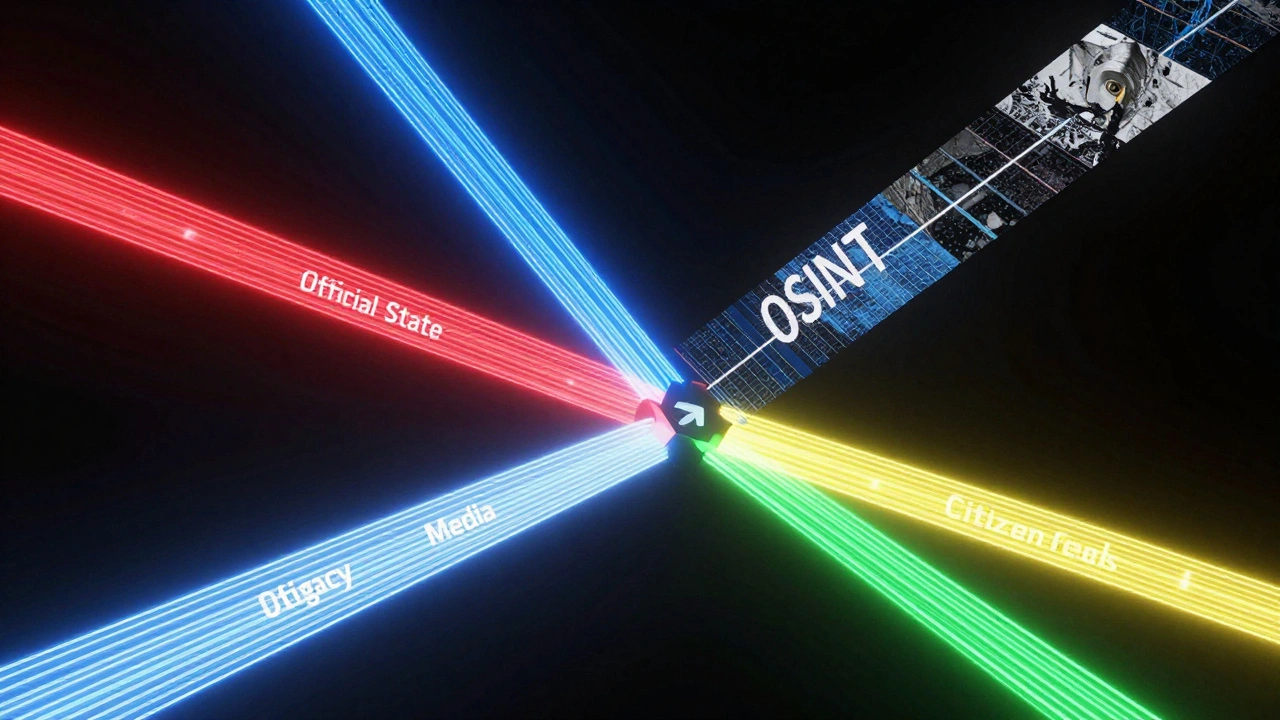
If you open Telegram today and search for "war" or "conflict," you will find thousands of channels. They are not all the same. Understanding the source helps you judge the reliability of the news. Generally, these channels fall into four distinct categories.
Channel Type
Primary Goal
Reliability Level
Example Sources
Official State/Military
Propaganda, morale boosting, official statements
High for facts, Low for neutrality
Ukraine Military Intelligence, Russian MoD
Legacy Media Outlets
Professional journalism, contextual analysis
High (Editorially vetted)
The Washington Post, Reuters
Independent OSINT
Open-source verification, satellite data analysis
Medium-High (Varies by analyst)
NOELREPORTS, DeepStateMap
Citizen/Journalist Feeds
Raw footage, frontline diaries
Low-Medium (Unverified)
Local city chats, anonymous reporters
Global Conflicts: Beyond Ukraine
While Ukraine dominated the headlines, Telegram’s role in geopolitics extends far beyond Eastern Europe. The platform is now a central hub for tracking conflicts worldwide, from the Middle East to Africa. Channels like Geopolitics Watch describe themselves as open-source intelligence news media focusing on worldwide conflicts and geopolitics, aggregating data from multiple regions to provide situational assessments and political commentary. These outlets don’t just report news; they analyze the "silence" of the international community or track diplomatic pressures. They blend factual reporting with explicit political opinion. Another example is Geopolitics Prime, tracked by analytics service TGStat, which regularly publishes geopolitical intelligence narratives such as reports on covert operations, including alleged psychological warfare campaigns by intelligence agencies like Israel's Mossad against the Iranian regime. This shows how Telegram channels often focus on clandestine dimensions of war-spy networks, cyber attacks, and influence ops-that traditional TV news ignores. For users interested in global instability, these channels offer a continuous stream of alerts. However, notice the tone. Many of these channels engage in "normative debate," pushing specific agendas about how states should respond to crises. You are getting intelligence, but you are also getting interpretation.
Navigating the Fractured Reality: How to Verify Info
The biggest challenge on Telegram is the "fractured reality." Because there is no central algorithm to curate truth, pro-Russian, pro-Ukrainian, and neutral channels can all show you completely different pictures of the same day. One channel says a city was liberated; another says it was captured. Both may be true at different times, or one may be a lie. So, how do you protect yourself from misinformation?
- Diversify Your Feed: Never follow only one side. Subscribe to an official military channel from both sides of a conflict, plus at least two independent OSINT accounts. Compare their maps and timelines.
- Check the Timestamps: War moves fast. A video posted today might be from last week. Look for metadata or recent landmarks in the background. OSINT channels often date-stamp their posts clearly.
- Look for Corroboration: If a major claim drops (e.g., "Leader X killed"), wait 15 minutes. Did legacy media pick it up? Did official state channels confirm it? If only one anonymous channel is saying it, treat it as rumor.
- Use Curated Lists: Guides like the Kyiv Post’s list of "18 Telegram Accounts to Follow" act as external filters. They vet sources for credibility. While no list is perfect, starting with recommended channels reduces the risk of falling into bot farms or pure propaganda feeds.
- Understand the Incentive: Ask yourself: Who benefits from this post? Is it designed to scare civilians? Boost morale? Recruit fighters? Recognizing the motive helps you read between the lines.

The Risks of Lax Moderation
We cannot talk about Telegram without addressing its controversial moderation policy. Experts point out that Telegram’s "lax approach to content moderation" enables the coexistence of legitimate journalism and harmful disinformation. In conflict zones, this means:
- Graphic Content: Videos of injuries and death circulate freely. This can be traumatic for viewers and sometimes violates ethical journalistic standards.
- Unverified Intelligence: False claims about troop movements can lead to real-world dangers, such as civilians fleeing unnecessarily or soldiers walking into ambushes based on bad data.
- Psychological Warfare: As seen in channels like Geopolitics Prime, narratives about secret plots and internal betrayals are used to destabilize enemy populations. This is information warfare, plain and simple.
Building Your Personal War Room
If you want to stay informed on geopolitical news via Telegram, start small. Don’t subscribe to 50 channels at once. You will burn out. Start with three pillars:
- One Legacy Outlet: For context and verified facts (e.g., The Washington Post, BBC).
- One OSINT Hub: For map updates and satellite verification (e.g., NOELREPORTS, DeepStateMap).
- One Regional Specialist: For deep dives into specific conflicts (e.g., Geopolitics Watch for global scope, or specific country-focused channels).