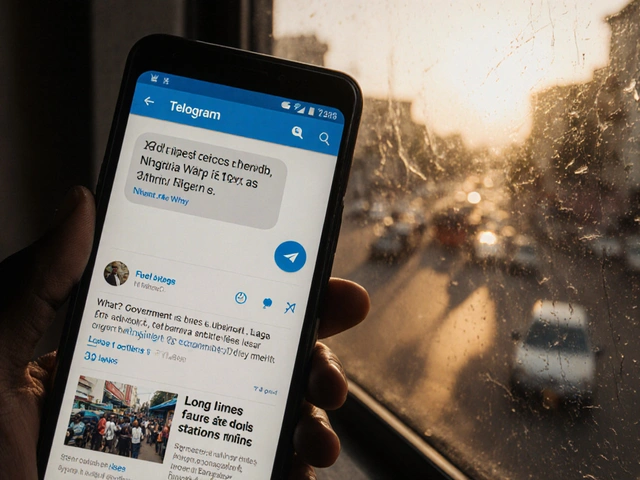
When a video surfaces on Telegram showing a building collapse in a war zone, how do you know it’s real? Is it from today? From that city? Or is it a recycled clip from a different conflict, years ago? Citizen journalists are on the front lines of truth - but without the right tools, they can accidentally spread lies instead of facts. Training them on Telegram to verify what they see isn’t just helpful - it’s necessary.
Why Telegram? Because It’s Already Where They Are
Telegram isn’t just another messaging app. It’s where people in conflict zones, protest areas, and disaster zones share raw footage faster than any newsroom can respond. Groups with 10,000+ members pop up overnight. Videos are sent without context. Photos are reposted with misleading captions. And because Telegram’s encryption and anonymity attract users who fear surveillance, it’s become a go-to for people who can’t trust mainstream platforms. But that same anonymity makes verification harder. There’s no algorithm to flag fake content. No verified badges to trust. So if citizen journalists are going to report accurately, they need training - and Telegram is the only place where that training can reach them in real time.The Four-Step Verification Framework You Can Teach Over Telegram
Forget complicated software. You don’t need a team of experts to teach basic verification. Here’s what works in practice:- Stop - Don’t share anything the first time you see it. Even if it feels urgent. Pause. Breathe. Ask: “Why does this matter?”
- Investigate the source - Who sent this? Is it a known activist group? A random account with no history? Use reverse image search (like Google Images or TinEye) to find where the photo or video first appeared. Check the profile: when was it created? How many posts? Does it look like a bot?
- Find better coverage - Look for reports from trusted outlets. Did the BBC, Reuters, or a local news station cover the same event? If not, that’s a red flag. If they did, compare the details. Did they confirm the location? The date? The cause?
- Trace to original context - Use tools like InVID or WeVerify to analyze video metadata. Check the shadows in the footage. Are they pointing the wrong way for the time and location? Is the clothing seasonally wrong? Look for landmarks in the background and match them with Google Earth.
This is the SIFT method - simple, proven, and taught by media labs across Europe and North America. You can break it down into 5-minute Telegram voice notes. Send a checklist as a PDF. Use text bots to quiz trainees daily.
How to Structure a Telegram-Based Training Program
You can’t cram a 5-day workshop into a chat. But you can build a rhythm that sticks.- Day 1: The Problem - Share real examples of false reports that caused harm. A video of a bombing in Ukraine that was actually from Syria. A photo of a protest in Hong Kong that was from 2019. Make it personal. Show how one share can spark panic or violence.
- Day 2: Tools That Work - Teach how to use free tools. Google Reverse Image Search. InVID Video Verifier. Geolocation tools like SunCalc. Explain how to read EXIF data from photos (if available). Don’t overwhelm - one tool per day.
- Day 3: Red Flags - Create a cheat sheet: “If a video has no sound, no shadows, or shows people in winter clothes in July - suspect it.” Teach them to spot deepfakes: unnatural blinking, mismatched lip movements, glitchy lighting.
- Day 4: Ethical Reporting - Never reveal the source of a tip. Never publish a video without blurring faces unless consent is given. Always label unverified content as “Alleged.” Trainees need to understand that accuracy protects people, not just credibility.
- Day 5: Practice - Send them a real, unverified clip. Give them 24 hours to investigate and report back. Review their findings together. Celebrate when they catch a fake. Correct them gently when they miss something.
This isn’t theory. It’s what’s being done by small media collectives in Ukraine, Sudan, and Chile. One group in Kyiv runs a Telegram bot that sends daily verification quizzes. Members earn points. Top performers get featured. It turns learning into a game.
What Not to Do
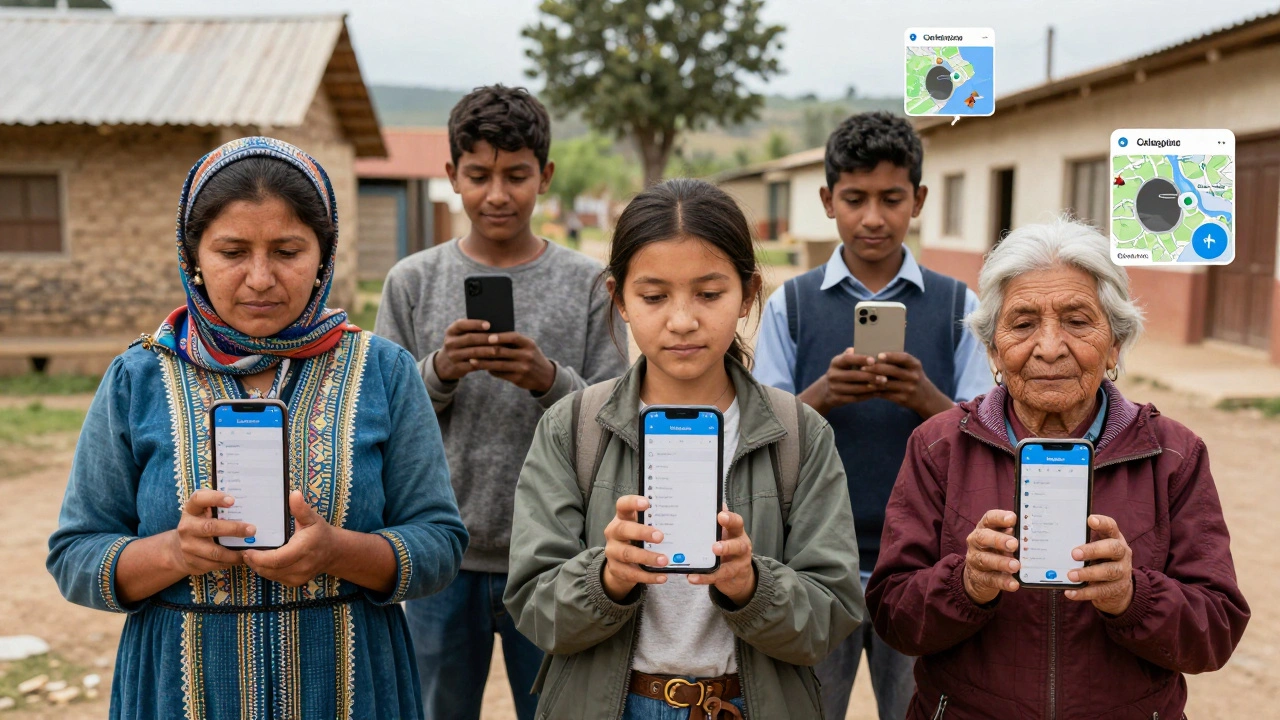
Don’t send 20-page PDFs. Don’t expect people to learn from long lectures. Don’t assume they know how to use Google. Many citizen journalists are elderly, rural, or low-income. They might only have a smartphone with 2GB of data per month. Avoid jargon. Don’t say “geolocation metadata.” Say: “Look at the shadows - do they match the sun’s position?” Don’t ignore language. If your trainees speak Arabic, Ukrainian, or Swahili, deliver materials in those languages. Translation matters. The European Journalism Centre’s Verification Handbook is available in 9 languages - use it.Real Examples That Changed the Game
In 2022, a Telegram group in Kharkiv started verifying videos from the front lines. They didn’t have cameras. They had a shared Google Sheet. Each member took a clip, ran it through InVID, checked timestamps, and cross-referenced with satellite images. Within two weeks, they had debunked 17 false claims. One report claimed Russian troops had taken a school. Their investigation showed the building was empty - and the video was from 2016. In Nigeria, a group called VerifyNG uses Telegram to train students in rural areas. They send voice notes in Pidgin English. One lesson: “If a video says ‘this happened today’ but the clouds look like last year’s rainy season - it’s fake.” They’ve trained over 3,000 people. Not with Zoom. Not with apps. With Telegram.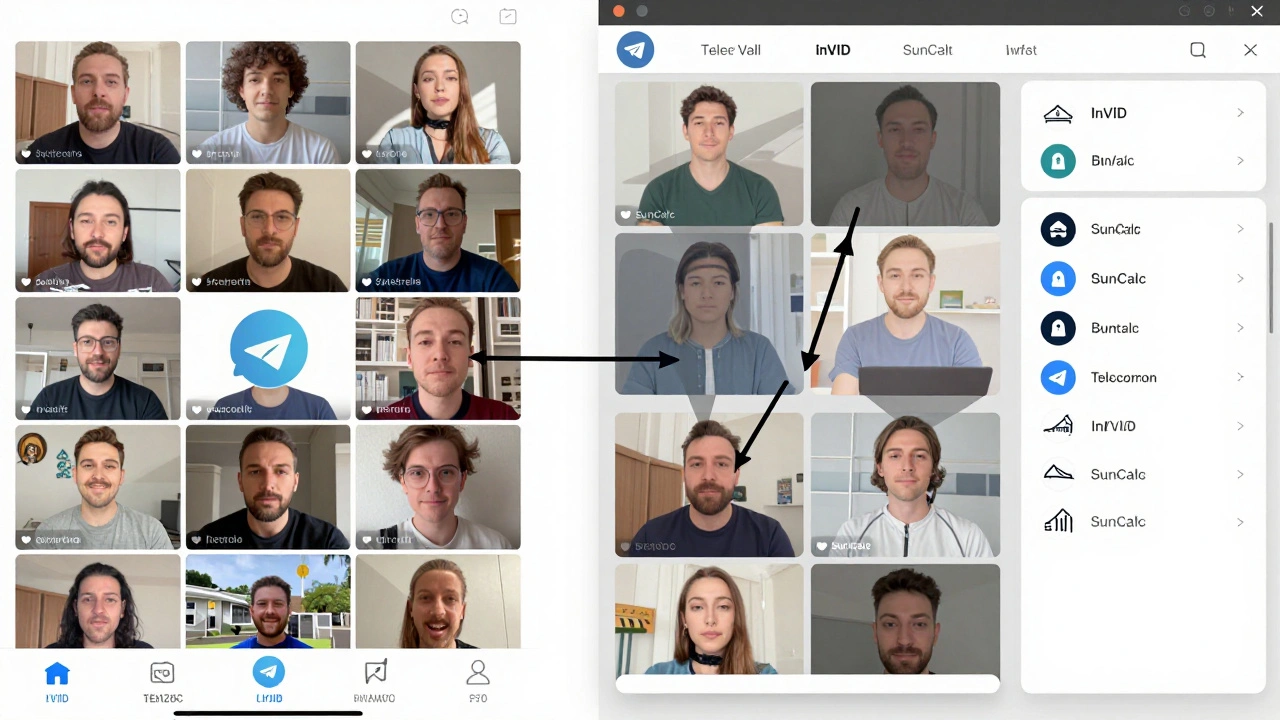
What You Need to Get Started
You don’t need funding. You don’t need a team. You need:- A Telegram channel (public or private)
- A simple checklist (PDF or text)
- Three real examples of fake content
- One volunteer who knows how to use Google Reverse Image Search
- 10 minutes a day to reply to questions
Start small. Test with five people. Ask them: “What’s the one thing you wish you knew before sharing a video?” Then build from there.
The Bigger Picture
Citizen journalists aren’t just reporters. They’re the first line of defense against chaos. When official sources are silent or untrusted, people turn to peers. That’s powerful. But without verification skills, that power becomes dangerous. Telegram isn’t the problem. It’s the opportunity. It’s the only platform that reaches people where they are - in hiding, in danger, without internet, without support. Training them there isn’t about technology. It’s about trust. It’s about giving people the tools to protect each other.Truth doesn’t need a big budget. It just needs someone who cares enough to teach it - one message at a time.
Can you really train people to verify content using only Telegram?
Yes - and it’s already happening. Telegram’s voice notes, text messages, and file-sharing tools are enough to teach verification basics. The key is simplicity: short lessons, real examples, and daily practice. Groups in Ukraine and Nigeria have trained thousands using only Telegram, with no apps or websites needed.
What if trainees don’t have internet access?
Telegram works with very low data usage. A single text message uses less than 1KB. Voice notes under 60 seconds use about 50KB. If someone can receive a message, they can learn. For areas with no internet, trainees can share printed checklists or use offline tools like the InVID plugin for Firefox (downloaded ahead of time). The goal isn’t to replace internet access - it’s to make the most of what little they have.
Is Telegram safe for sensitive journalism training?
Telegram offers end-to-end encryption for secret chats - but only if users enable it. Most public channels and groups are not encrypted. For high-risk training (like reporting on corruption or war crimes), use secret chats, avoid sharing personal data, and never store sensitive files on the device. Always remind trainees: if you’re in danger, don’t use Telegram at all. Use burner phones, offline notes, or trusted couriers.
How do you verify a video without technical tools?
You don’t need software. Ask: When did this happen? What’s the weather? What season is it? Are the shadows consistent with the sun’s position? Are the buildings in the background visible on Google Maps? Are people wearing the right clothes? Look for clues in the environment. A video claiming to be from Syria in January but showing palm trees in full bloom? That’s a red flag. Often, the truth is in the details.
What’s the biggest mistake new citizen journalists make?
Sharing too fast. They see something shocking - a fire, a fight, a collapse - and feel pressured to alert others. But speed kills accuracy. The first rule is: don’t share until you’ve asked at least three questions: Who sent this? Where is this really? When did this happen? If you can’t answer those, wait. Silence is safer than a lie.
Training citizen journalists on Telegram isn’t about building the next CNN. It’s about giving ordinary people the power to stop misinformation before it spreads. One verified clip at a time.