The old way of distributing news was a gamble. You wrote a great piece, posted it to a social media giant, and prayed the algorithm decided to show it to your followers. One tweak to a line of code in Menlo Park or San Francisco could suddenly slash your reach by 80%, killing your traffic and your revenue. But the explosive growth of Telegram is a cloud-based messaging app that functions as a hybrid between a private chat and a public broadcasting tool. For independent news publishers, this shift is more than just a new app to manage-it's a way to reclaim ownership of their audience.
Breaking Free from the Algorithm
Most social networks act like gatekeepers. They use complex formulas to decide what people see, often prioritizing outrage or viral trends over factual reporting. Telegram operates differently. By using Telegram for journalists and publishers, you aren't fighting a machine for visibility. When you post to a channel, it goes to everyone who subscribed. There is no hidden filter deciding if your news is "relevant" enough for your own followers.
This direct-to-consumer model is a massive win for those who build their brand on trust rather than trends. Independent publishers can finally stop obsessing over "engagement hacks" and go back to focusing on the actual reporting. If your work provides value, the reader sees it. It's a return to the classic subscription mindset, even if the platform itself is free.
The Misinformation Myth and the Trust Advantage
You've probably heard that because Telegram has minimal content moderation, it's just a wasteland of fake news. The reality is more nuanced. Research analyzing about 200,000 posts shows that while misleading links are shared frequently, they tend to stay trapped in small, echo-chamber-like channels. They don't actually dominate the platform's general conversation.
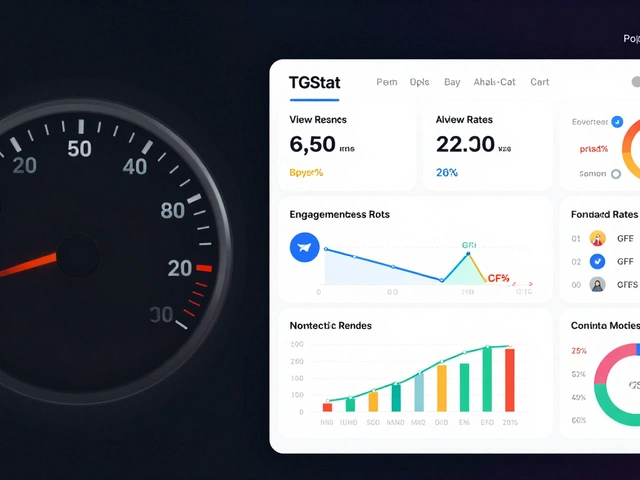
In fact, professional news content often outperforms misleading sources. Data indicates that trusted news posts can receive up to 14% more views per post than those from sources known for spreading misinformation. This tells us something critical: people can actually tell the difference. Even in an unmoderated environment, accuracy is a competitive advantage. For an independent publisher, this means your reputation for truth is your most valuable asset. If you are consistent and honest, you won't just survive next to the noise-you'll likely tower over it.
| Feature | Traditional Platforms (FB/X) | Telegram |
|---|---|---|
| Content Reach | Algorithmic (Variable) | Chronological (Direct) |
| Moderation | Heavy / Centralized | Minimal / Decentralized |
| Audience Ownership | Low (Platform-owned) | High (Direct connection) |
| Growth Driver | Viral loops & Suggestions | Active discovery & Word-of-mouth |

Building a Community, Not Just a Following
There is a big difference between having 10,000 followers and having a community of 10,000 readers. On most platforms, a "follower" is a passive metric. On Telegram, the environment encourages a deeper connection. Through the use of Telegram Channels for broadcasting and Telegram Groups for discussion, publishers can create a two-way street.
Imagine a local news publisher in a small city. Instead of just posting a headline, they can run a poll to see which local issue the community cares about most, or start a themed discussion group for a specific investigative series. This level of intimacy builds a loyal base that is far more likely to support a paid subscription or a Patreon than a random scroller on a newsfeed. The challenge, however, is that growth is slower. You can't rely on a "suggested for you" tab to find new readers; you have to actively invite them in.

Navigating the Risks of Minimal Moderation
While the lack of a "corporate thumb" on the scale is liberating, it does come with baggage. When you operate in a space with very little oversight, you are essentially your own editor and your own security guard. Independent publishers need to be aware that their channels can become targets for spam or coordinated attacks if they don't use the platform's administrative tools correctly.
Moreover, there is the ethical weight of the platform. Because Telegram is often used by polarizing figures, some mainstream advertisers might be hesitant to associate with any content hosted there. This is why the move toward independent monetization-direct donations, memberships, or sponsored deep-dives-is so essential. Relying on a third-party ad network in a low-moderation environment is a recipe for instability.
Strategic Next Steps for News Publishers
If you're looking to move your operation or expand onto the platform, don't just mirror your Twitter feed. That's a waste of the tool's potential. Instead, treat your channel as a "premium" feed. Give your Telegram subscribers a first look at stories, behind-the-scenes audio notes from the field, or direct access to a Q&A session. Give them a reason to mute the rest of the world and listen to you.
Start by auditing where your most loyal readers currently hang out. If they are already using messaging apps for their daily communication, the friction to move them to a news channel is almost zero. Focus on building a "trust bridge"-clearly define your editorial standards in your channel description and be transparent about your sourcing. In a world of noise, clarity is the only thing that scales.
Does Telegram really help me reach more people than Facebook?
It depends on how you define "reach." Facebook might show your post to a few random people via an algorithm, but Telegram ensures that every single person who joins your channel sees your content in their chat list. You trade massive, shallow reach for smaller, deeper, and more reliable reach.
How do I monetize a Telegram news channel?
Since Telegram doesn't have a built-in ad network like YouTube, most independent publishers use external links to membership sites like Substack or Patreon. Some also sell direct sponsorships to brands that align with their niche or offer a private "VIP" group for a monthly fee.
Is it dangerous for my brand to be on an unmoderated platform?
Not necessarily. Being on the platform doesn't mean you endorse everything else on it. As long as you maintain strict editorial control over your own channel and manage your comments/groups effectively, your brand is defined by your content, not by the platform's overall lack of rules.
What is the best way to grow a Telegram channel from zero?
Cross-promotion is key. Share your channel link on your other social profiles, embed it in your email newsletter, and collaborate with other independent publishers in your niche to shout each other out. Because there is no "discovery algorithm," you have to be your own marketing engine.
Do I need a huge team to manage a news channel?
No. One of the biggest draws for independent publishers is that Telegram is lightweight. You can schedule posts, use bots for automation, and manage thousands of subscribers from a single smartphone, making it ideal for solo journalists or small teams.