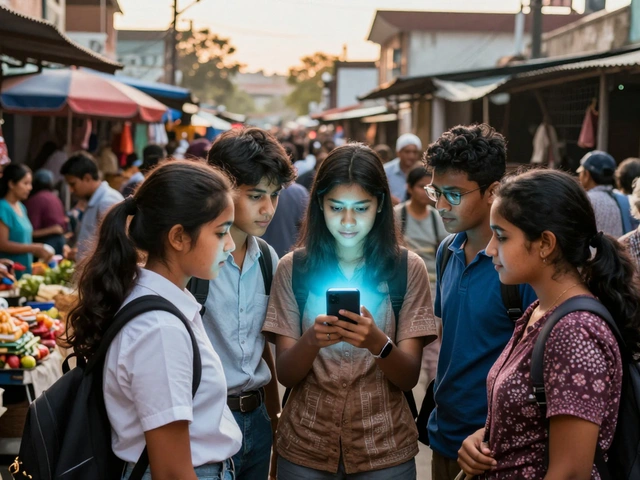
News doesn't just appear on your screen anymore. In India and Brazil, it arrives via a direct message, a channel update, or a group chat notification. For years, we assumed Facebook and Twitter were the town squares of the digital age. But in these two massive emerging markets, Telegram has quietly become the primary engine for news distribution, political organizing, and real-time information sharing. This isn't just about messaging; it's about how billions of people actually consume truth-or misinformation-in their daily lives.
The shift is dramatic. While Western audiences still rely heavily on centralized platforms like X (formerly Twitter) or legacy news sites, users in India and Brazil have migrated to encrypted, decentralized channels. Why? Because traditional media structures are crumbling under pressure from regulatory crackdowns, internet censorship, and a growing distrust of institutional narratives. Telegram offers a workaround. It provides speed, privacy, and scale that legacy platforms cannot match. But this migration comes with significant risks, including the rapid spread of unverified content and the erosion of editorial standards.
The Indian Context: Scale, Speed, and Scrutiny
In India, Telegram is not merely an app; it is a parallel public square. With over 100 million active users, it has become the go-to platform for everything from local community alerts to national political discourse. The adoption curve here was steep, driven by three key factors: affordability, accessibility, and anonymity.
First, consider the infrastructure. India has one of the cheapest data costs in the world. A user can download gigabytes of video and audio without breaking the bank. Telegram’s lightweight nature makes it ideal for regions where smartphone capabilities vary widely. Unlike WhatsApp, which limits group sizes to 1,024 members, Telegram allows groups of up to 200,000 users. Channels can broadcast to unlimited subscribers. This scalability turned Telegram into a powerful tool for grassroots movements, religious organizations, and political parties.
| Feature | Telegram | X (Twitter) | |
|---|---|---|---|
| Max Group Size | 200,000 | 1,024 | N/A |
| File Transfer Limit | 2 GB | 2 GB (Premium) | 5 MB (Images) |
| Anonymous Admins | Yes | No | Limited |
| Bot Integration | Extensive API | Limited | Moderate |
Second, the role of anonymity cannot be overstated. In a country with diverse linguistic and cultural tensions, users often fear retaliation for expressing controversial opinions. Telegram’s pseudonymous model allows individuals to share sensitive information without revealing their identity. This has made it a hub for investigative journalism leaks, whistleblower reports, and dissenting voices. However, this same feature has also enabled bad actors. Misinformation spreads faster than fact-checkers can keep up. During election cycles, fake news campaigns have used Telegram bots to amplify divisive narratives, creating echo chambers that reinforce existing biases.
Third, regulatory friction plays a crucial role. The Indian government has repeatedly clashed with tech giants over data localization and content moderation. In 2022, new IT rules required platforms with more than 5 million users to appoint compliance officers and remove harmful content within 36 hours. Telegram resisted, citing end-to-end encryption concerns. This standoff forced many users to seek alternatives that offered greater privacy while maintaining functionality. Telegram emerged as the winner because it balanced security with usability better than any competitor.
The Brazilian Landscape: Political Polarization and Civic Engagement
If India represents scale, Brazil represents intensity. Here, Telegram became synonymous with political mobilization during the 2022 presidential elections. The platform was instrumental in shaping public opinion, particularly among supporters of former President Jair Bolsonaro. Known locally as "Telenews," these informal networks operated outside traditional journalistic frameworks, prioritizing speed and emotional resonance over accuracy.
Brazilian society is deeply polarized, and Telegram provided a space where ideological allies could connect without interference from mainstream media gatekeepers. Groups formed around specific causes-anti-corruption efforts, environmental protection, or nationalist agendas-grew rapidly due to word-of-mouth referrals and viral sharing. Unlike Facebook, which algorithms prioritize engagement through controversy, Telegram’s structure encourages deliberate curation. Users choose which channels to follow, creating personalized news feeds that reflect their values rather than algorithmic suggestions.
This autonomy came at a cost. Without editorial oversight, false claims proliferated unchecked. One notable example involved fabricated stories about voting machines being rigged. These rumors gained traction within closed groups before leaking into broader public discourse. Authorities struggled to respond because identifying source accounts proved nearly impossible. Law enforcement agencies requested user data from Telegram, but founder Pavel Durov consistently refused, arguing that such requests violated fundamental rights to privacy.
Despite these challenges, Telegram also fostered positive civic engagement. Environmental activists used the platform to organize protests against deforestation in the Amazon rainforest. Local communities coordinated disaster relief efforts after floods hit northeastern states. Journalists leveraged Telegram to publish investigative pieces bypassing state-controlled outlets. The duality of its impact highlights both the promise and peril of decentralized communication tools.
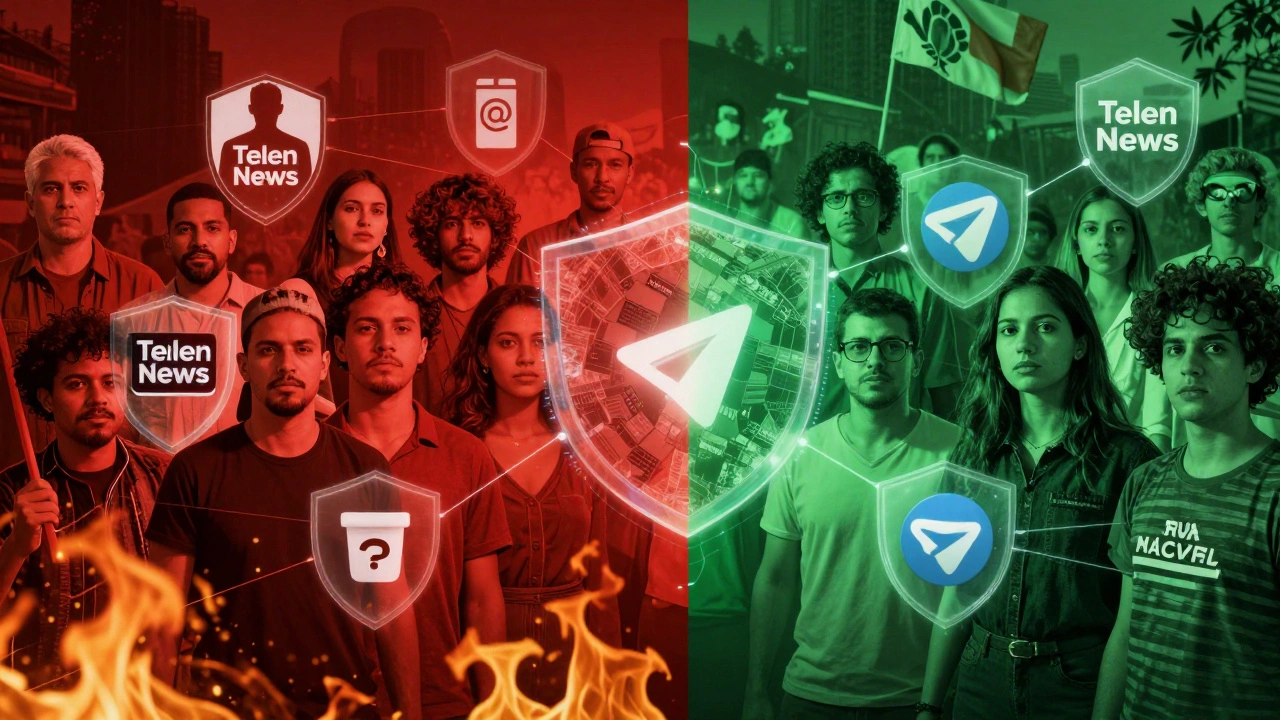
Comparative Analysis: Similarities and Differences
While India and Brazil differ significantly in size, culture, and governance models, several patterns emerge when examining Telegram news adoption across both countries:
- Distrust of Institutions: Both populations exhibit low confidence in traditional media institutions. Whether stemming from historical corruption scandals or perceived bias, citizens turn to peer-generated content instead.
- Youth Demographics: Younger generations drive adoption rates. Under-35 users dominate Telegram activity, reflecting generational shifts toward mobile-first lifestyles.
- Regulatory Tensions: Governments view Telegram as a threat to national security due to lack of cooperation regarding content removal. Yet banning outright proves ineffective given alternative access methods.
- Cultural Nuances: In India, religion and caste dynamics influence group formation. In Brazil, partisan politics dictate affiliation. Context shapes how information flows differently despite similar technological foundations.
A critical distinction lies in monetization strategies. Indian creators increasingly explore paid subscriptions via Telegram Premium features, offering exclusive insights or ad-free experiences. Brazilians focus more on donation-based models supporting independent journalists operating outside corporate constraints. These variations underscore local economic realities influencing sustainable practices.

Navigating Misinformation Challenges
No discussion about Telegram news adoption would be complete without addressing misinformation. Studies analyzing hundreds of thousands of posts reveal alarming trends: links leading to misleading sources outpace those directing readers toward professional journalism. Yet contrary to popular belief, most victims aren’t general audiences-they belong to small, highly engaged communities already predisposed toward certain viewpoints.
Fighting disinformation requires multi-pronged approaches combining technology solutions with human intervention. Fact-checking initiatives collaborate with volunteer networks monitoring suspicious activities. Educational programs teach digital literacy skills empowering individuals critically evaluate incoming messages. Platform designers incorporate warning labels flagging potentially deceptive material based on metadata analysis.
However, no single solution guarantees success. Balancing freedom expression against responsibility remains contentious debate globally. Policymakers must navigate complex ethical dilemmas ensuring open dialogue prevails whilst minimizing harm caused malicious actors exploiting vulnerabilities inherent open systems.
Future Outlook: What Lies Ahead?
As we look ahead, several developments will shape Telegram’s trajectory within emerging markets:
- Enhanced Moderation Tools: Expect improved AI-driven filters detecting hate speech, spam, and illegal content automatically. Human moderators may supplement automated processes handling nuanced cases requiring contextual understanding.
- Monetization Opportunities: Creators seeking financial stability will likely adopt premium subscription models integrating seamless payment gateways tailored regional preferences.
- Government Collaboration: Regulatory bodies might propose frameworks enabling limited transparency measures preserving core privacy principles while facilitating lawful investigations.
- Integration With Other Services: Seamless connectivity between Telegram and other applications (e.g., banking apps, e-commerce platforms) could expand utility beyond pure communication functions.
Ultimately, Telegram’s enduring appeal stems from fulfilling basic human needs: connecting meaningfully, accessing timely information, asserting individuality amidst collective pressures. As long as these desires persist, demand for robust yet flexible platforms meeting them will continue growing exponentially worldwide.
Why did Telegram gain popularity in India compared to WhatsApp?
Telegram gained popularity in India primarily due to its larger group capacities (up to 200,000 members), anonymous admin options, extensive bot integration, and higher file transfer limits (2GB). Additionally, concerns over data privacy following regulatory changes pushed users towards platforms offering stronger encryption protocols without compromising ease of use.
How does Telegram affect political discourse in Brazil?
In Brazil, Telegram significantly influences political discourse by providing spaces for ideologically aligned groups to communicate freely away from mainstream media scrutiny. During electoral periods, it facilitated rapid dissemination of campaign materials, mobilized voters efficiently, and amplified fringe viewpoints contributing to heightened polarization among electorate segments.
What are the main risks associated with consuming news via Telegram?
Main risks include exposure to unverified information, potential manipulation through targeted propaganda campaigns, difficulty verifying source credibility, and reinforcement of confirmation biases resulting from self-selected channel subscriptions lacking diverse perspectives represented traditionally curated editorial environments.
Can governments effectively regulate content shared on Telegram?
Regulating content on Telegram presents substantial difficulties owing to end-to-end encryption preventing third-party access private conversations coupled refusal comply takedown orders citing commitment protect user confidentiality. While some jurisdictions attempt impose penalties non-compliance enforcement mechanisms remain largely symbolic unless accompanied international cooperation agreements strengthening jurisdictional reach.
Are there successful examples of combating misinformation on Telegram?
Yes, collaborative efforts involving civil society organizations partnering directly with platform administrators implementing proactive detection algorithms combined educational outreach initiatives aimed raising awareness among vulnerable demographics demonstrate measurable reductions prevalence harmful narratives circulating within designated networks monitored closely volunteers trained identify red flags indicative fraudulent intent behind seemingly innocuous posts.