When you're on the ground covering a protest, your phone isn't just a camera-it's a lifeline. One wrong tap could mean your sources are exposed, your location is tracked, or your footage ends up in the hands of authorities. That’s why Telegram has become the go-to tool for citizen journalists in repressive environments. But here’s the catch: most people using Telegram think they’re safe. They’re not. Not unless they know exactly how to use it.
Telegram Isn’t Secret by Default
Telegram markets itself as a secure messaging app, but that’s misleading. Unless you manually start a Secret Chat, every message you send-whether it’s a photo of police movements or a voice note naming a protest leader-is stored on Telegram’s servers. And yes, those servers can be accessed. Not by random hackers, but by governments with legal power or technical backdoors.Regular chats use client-server encryption. That means Telegram holds the keys. Secret Chats? End-to-end encrypted. Only the two devices involved can decrypt the messages. No server access. No cloud backup. Even Telegram can’t read them. But here’s the problem: Secret Chats are opt-in. They don’t show up in group chats. They don’t sync across devices. You have to start them manually, every single time. Most users never do.
If you’re sharing coordinates for a protest rally, or sending a video of a detained activist, you’re not protected unless you started a Secret Chat. Period. No exceptions.
Group Chats Are a Blind Spot
You need to coordinate with other journalists. You need to share updates. You need to talk to sources. That means groups. And Telegram groups? They’re never end-to-end encrypted. Ever. Not even if you’re in a private group with 12 people you trust.That’s a massive risk. Governments have infiltrated protest groups on Telegram before. In Hong Kong, investigators used public group data to identify organizers. In Belarus, plainclothes officers posed as protesters to map out communication networks. Telegram doesn’t stop them. The platform doesn’t even try. It’s designed for scale, not secrecy.
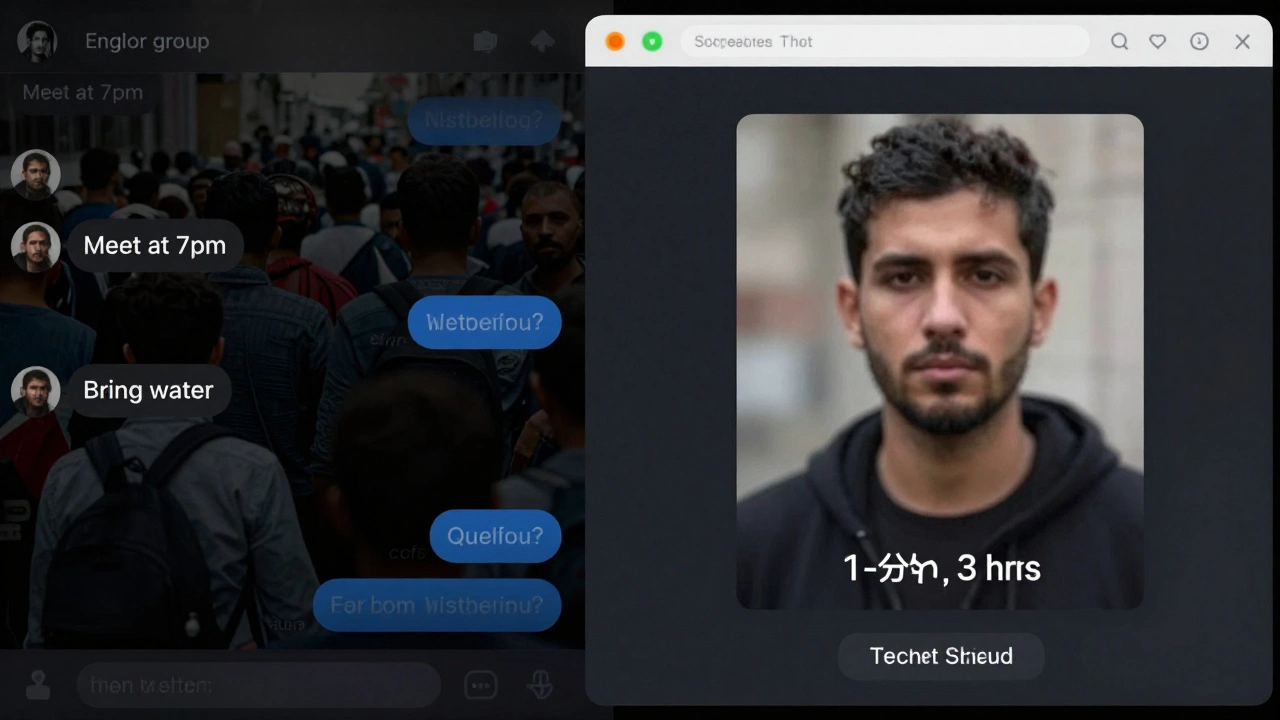
So what do you do? Limit group use. Never share sensitive details there. Use groups for logistics-"Meet at the corner of 5th and Main at 7 PM"-not for names, photos, or internal strategy. For anything real, switch to Secret Chats. One-on-one. Always.
Channels Are Your Best Friend
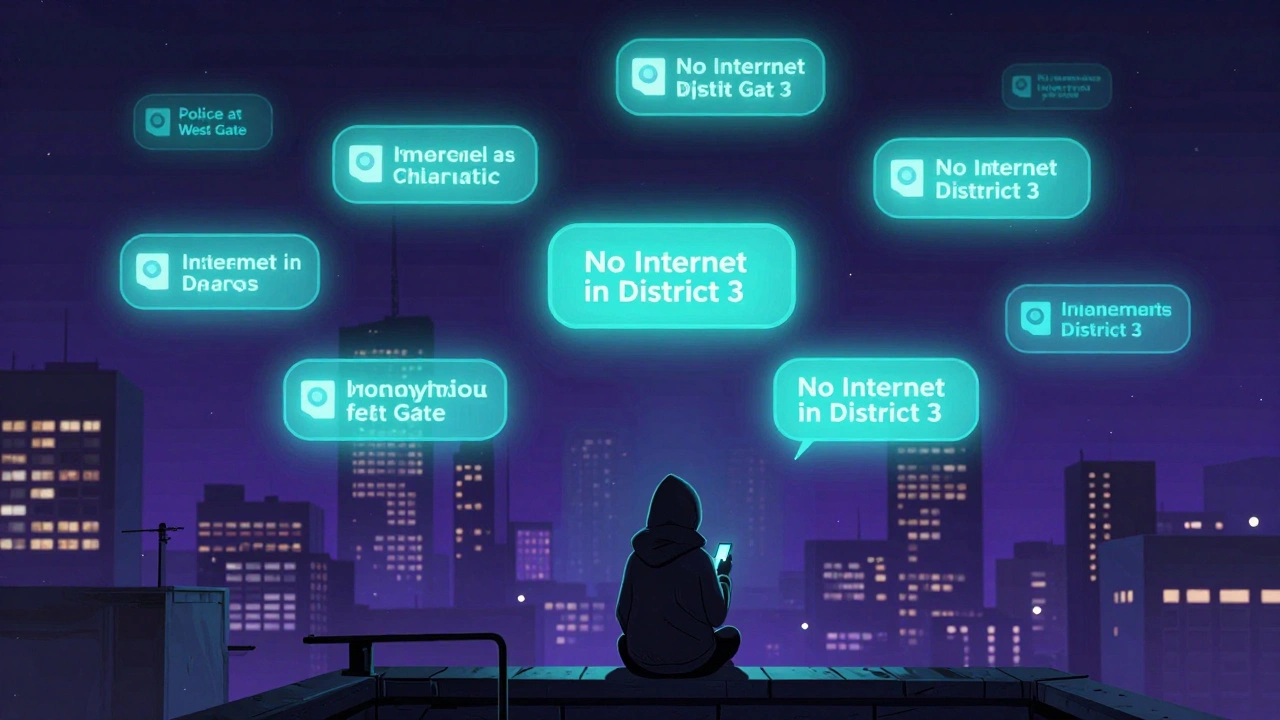
Telegram channels are different. They’re one-way broadcast tools. You follow a channel. You don’t reply. You don’t get tracked. No one knows who you are unless you send a message. That’s why channels became the backbone of protest coverage in Myanmar, Belarus, and Hong Kong.Journalists set up channels for real-time updates: "Police at the west gate," "Ambulance on Elm Street," "No internet in District 3." Sources submit info anonymously through bots or direct messages. You don’t need to be a moderator to use them. You just need to subscribe.
Best part? Channels are hard to shut down. They don’t rely on algorithms. They don’t get promoted by ads. They spread through word of mouth, not likes. That makes them nearly invisible to automated surveillance. If a channel gets taken down, another pops up within hours. That’s why they’re still alive in Iran and Russia, even when other platforms are blocked.
How to Set Up Secret Chats (Step-by-Step)
If you’re serious about safety, you need to know how to use Secret Chats. Here’s how:
- Open Telegram and go to the chat with your source.
- Tap their name at the top.
- Scroll down and tap "Start Secret Chat."
- A new chat window opens. This is now encrypted.
- Send your message. Photos, videos, voice notes-all protected.
- Enable "Self-Destruct Timer" if you’re sending something especially sensitive. Set it to 1 minute or less.
- Never use this chat for anything else. Don’t mix it with casual talk.
And here’s the hard truth: you can’t use Secret Chats for group coordination. That’s a limitation. Accept it. Use channels for group updates. Use Secret Chats for the one-on-one stuff that could get someone arrested.
What Telegram Won’t Tell You
Telegram’s founder, Pavel Durov, says he supports protesters. He’s refused to hand over user data to governments-even when pressured by Russia and Iran. That’s why Telegram is still accessible in places where Signal and WhatsApp are banned.But Telegram isn’t perfect. It’s not designed for activists. It’s designed for mass adoption. That’s why it doesn’t encrypt groups. That’s why Secret Chats are buried in the menu. That’s why you can’t delete your account permanently. That’s why your phone number is still linked to your profile.
And here’s something even fewer people know: Telegram allows anonymous forwarding. That means someone can forward your message without showing it came from you. Useful? Yes. Dangerous? Also yes. If you forward a video from a source, you’re still leaving a digital trail. Always check who sent it first. Don’t forward blindly.
What to Do If You’re Compromised
You think your phone is being watched. You see strange behavior-messages disappearing, apps crashing, unknown contacts added. Don’t panic. Act.
- Stop using Telegram on that device immediately.
- Wipe the phone. Factory reset. Don’t just delete the app.
- Get a new phone if you can. Use a prepaid SIM from a different city or country.
- Switch to a new Telegram account. Don’t reuse old contacts.
- Use a VPN only if you’re certain it’s not compromised. Many free VPNs log traffic.
And never, ever log back into your old account. Once compromised, it’s not recoverable.
Alternatives? There Are None
Signal? Great encryption. But it’s blocked in China, Iran, and Russia. WhatsApp? Same thing. Both require phone numbers. Both sync to the cloud. Both are easier to track.
Telegram’s advantage isn’t perfect security. It’s resilience. It’s availability. It’s the fact that governments can’t shut it down without crippling their own internet infrastructure. That’s why, as of February 2026, it’s still the only platform that works reliably across all major protest zones-from Kyiv to Khartoum to Seoul.
You don’t need the most secure app. You need the app that still works when everything else is gone. That’s Telegram. But only if you use it right.
Final Rule: Assume You’re Being Watched
Every message you send. Every photo you take. Every location you tag. Assume it’s already been copied. Assume it’s being stored. Assume someone is reading it right now.
That’s not paranoia. That’s journalism in a hostile environment.
Use Secret Chats for everything personal. Use channels for public updates. Never trust groups. Never reuse devices. Never assume you’re safe just because the app says "encrypted."
Stay sharp. Stay anonymous. Stay alive.
Latest Posts