Telegram isn't just another messaging app anymore. By March 2026, it’s become a battleground - not between users, but between innovation and control. On one side, Telegram keeps rolling out powerful new tools that make it more useful than ever. On the other, governments - especially in Russia - are trying to shut it down. This isn’t just about features. It’s about who controls information in a world where messaging apps are now essential public utilities.
What Changed in Telegram’s March 2026 Update?
On March 1, 2026, Telegram dropped its biggest update in over a year. It wasn’t just a bug fix or a small tweak. This was a full system upgrade aimed at users who demand control over their data and communication.
One of the most talked-about changes? You can now block forwarding, screenshots, and media downloads in one-on-one chats. Before, this feature only worked in groups and channels. Now, if you turn it on, the person you’re talking to can’t save your photos, copy your messages, or forward them anywhere. It’s not just about privacy - it’s about trust. Think about sending sensitive documents, personal photos, or even confidential work info. Now, you have real power over who sees what.
But here’s the catch: you need Telegram Premium to use it. That’s the trade-off. Telegram keeps adding high-end tools behind a paywall. It’s not just a way to make money. It’s a way to separate casual users from those who need serious control. Premium users also get access to advanced media editing. You can turn any photo into a sticker with one tap. Crop out backgrounds. Add text. Draw on it. Even edit GIFs - add captions, trim frames, slap on emojis. All inside the app. No more switching to Photoshop or Canva just to send a funny animated image.
Developers got a boost too. All bots - not just AI ones - can now stream text in real time. That means chatbots can respond word by word, like a human typing. No more waiting for a full reply. It makes interactions feel natural. And now, messages automatically adjust to your recipient’s time zone. If you send a message at 3 p.m. in Berlin, your friend in Tokyo sees it as 10 p.m. local time. No more confusion over when someone replied.
How Telegram Is Changing How People Communicate
Telegram’s updates aren’t random. They’re targeted. Every feature solves a real problem people face.
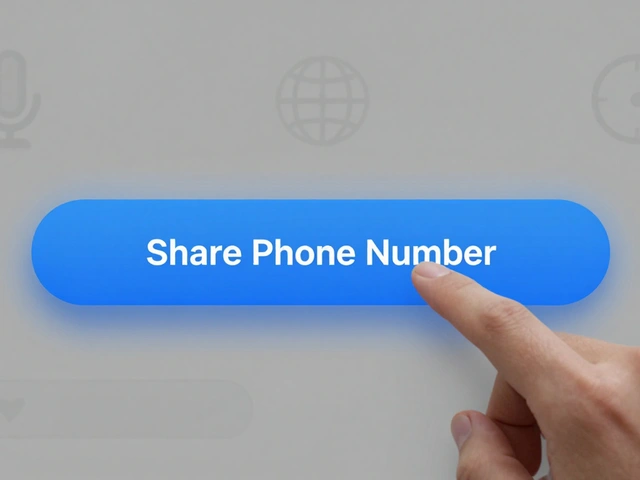
Take the new "Log In With Telegram" option. More websites and apps now let you sign in using your Telegram account. You can choose to share your phone number - or not. And if you allow it, services can send you direct notifications through Telegram. No more checking five different apps for updates. One place for everything. It’s like having a personal assistant that delivers alerts straight to your phone.
And then there’s member tags in group chats. Before, you had to remember who was who. Now, admins can assign custom labels - "Moderator," "Student," "Client" - and those tags show up next to names. It’s simple, but it changes how teams, classrooms, and fan groups organize. No more scrolling through 300 names to find the one person who knows the answer.
These aren’t gimmicks. They’re tools for people who rely on Telegram to get work done, run businesses, or stay connected in places where other apps are unreliable.
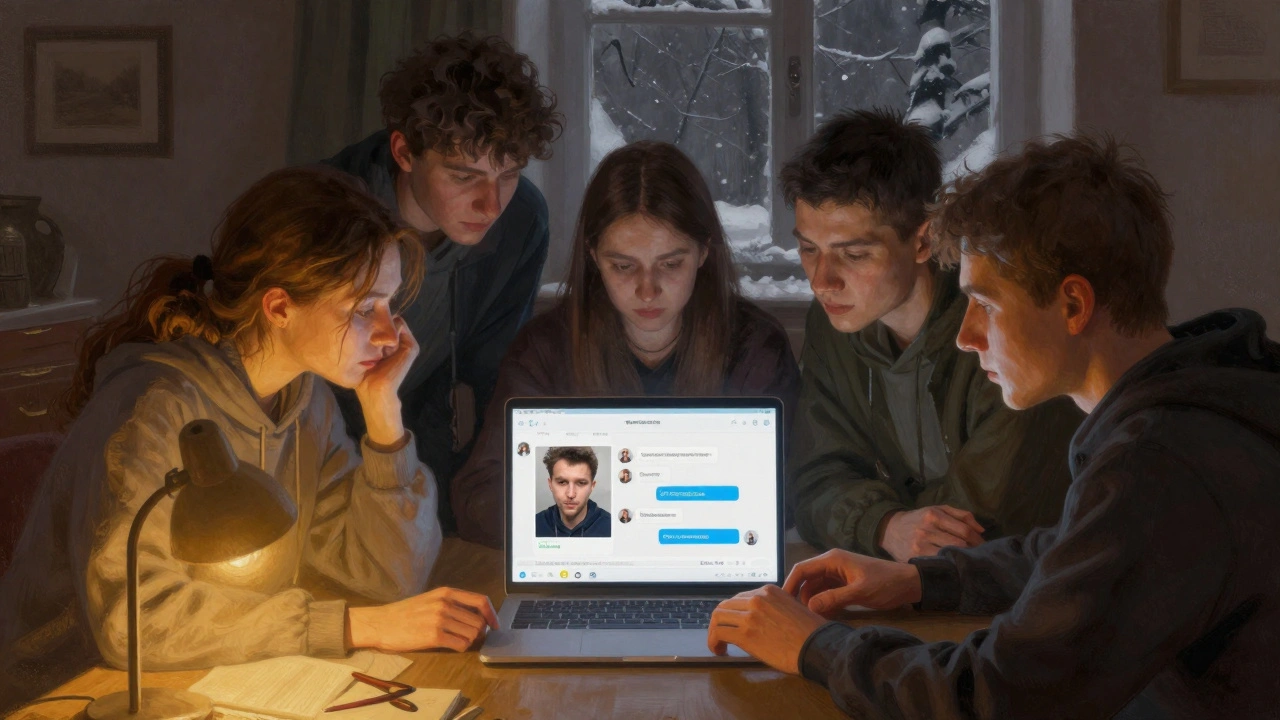
Russia’s War on Telegram
While Telegram keeps getting better, Russia is trying to kill it.
On February 10, 2026, Russian authorities announced they were stepping up restrictions. Voice and video calls were already limited since August 2025. Then, in December, they blocked FaceTime. Now, they’re targeting Telegram. Why? Because it works too well. And it doesn’t obey.
Roskomnadzor - Russia’s internet watchdog - says Telegram refuses to remove banned content. They claim it ignored over 150,000 requests to delete posts. Some of that content, they say, includes child pornography. Telegram denies this. They say the claims are exaggerated, and that they’ve always cooperated with legal requests - just not ones that violate privacy.
The fines are stacking up. Eight court hearings are coming. Telegram could owe over 64 million roubles - roughly $830,000. Plus, another 9 million roubles in unpaid fines are being collected. But the real move? A planned complete block by early April 2026.
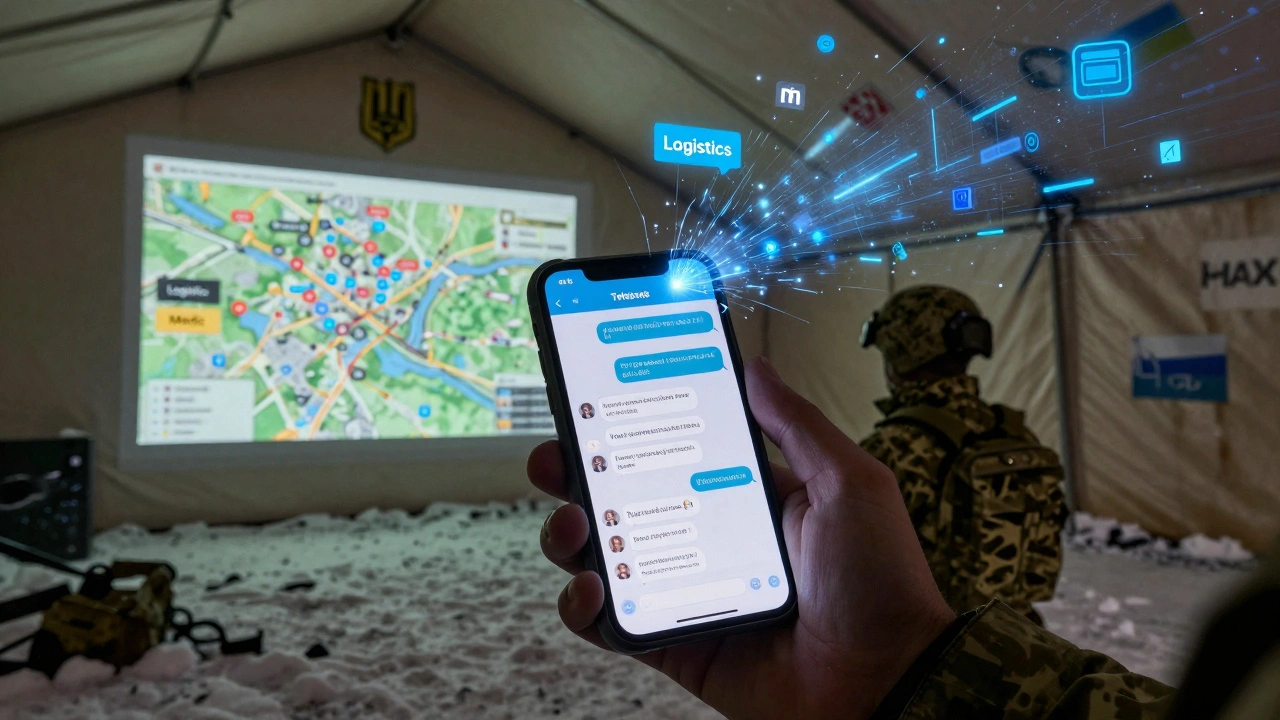
Except - and this is key - the ban won’t be total. Russian officials say Telegram will still work on the front lines in Ukraine. Why? Because soldiers use it. A lot. Military bloggers, commanders, logistics teams - they all rely on Telegram. So the government isn’t trying to cut off its own troops. It’s trying to cut off its own citizens.
Why Telegram Matters More Than Ever in Russia
Telegram isn’t just a chat app in Russia. It’s the news network. The public square. The underground newspaper.
Kremlin officials use it. Journalists use it. Courts post rulings on it. Opposition leaders broadcast from exile through it. Even small businesses use it to reach customers. When WhatsApp and Instagram were banned, Telegram became the last open channel.
People like Anna, a 24-year-old student in Moscow, say they don’t know how they’ll stay in touch with family and friends if Telegram disappears. Roman, a media professional, says his entire business model depends on it. He uses Telegram to share updates, promote events, and respond to clients. No other app gives him that reach.
And then there’s MAX - Russia’s state-backed alternative. The government is pushing it hard. Promoting it as "safe," "reliable," and "patriotic." But critics say it’s designed for surveillance. Unlike Telegram, MAX doesn’t use end-to-end encryption. It’s built to track. To monitor. To control.
Pavel Durov, Telegram’s founder, calls the push for MAX a "deliberate fabrication." He says the Russian government is using fake claims about spies and terrorism to justify censoring free speech. And he’s not backing down. "We will protect freedom of speech no matter the pressure," he said.
The Bigger Picture: A Global Pattern
Russia isn’t alone. It’s part of a global trend.
China blocks WhatsApp and Telegram. Iran restricts access. Turkey has tried to ban it multiple times. Even in democracies, governments pressure apps to hand over user data. But Russia’s approach is extreme. It’s not just about regulation. It’s about replacing foreign platforms with state-controlled ones.
They’ve already banned Facebook, Instagram, YouTube, and WhatsApp. Now they’re going after Telegram. The pattern is clear: if you’re outside their control, you’re a threat. And if you’re not willing to spy on your users, you’re not welcome.
Telegram’s response? Keep building. Keep innovating. Keep offering tools that empower users - even if it means losing markets. That’s why the March 2026 update matters. It’s not just about features. It’s a statement: privacy isn’t optional. And if governments want to shut it down, they’ll have to do it one user at a time.
What This Means for You
If you’re a regular user - whether you’re in Russia, the U.S., or Brazil - here’s what you need to know:
- If you care about privacy, upgrade to Telegram Premium. The new one-on-one protections alone are worth it.
- If you use Telegram for work, start using member tags and media editing. They save time and reduce confusion.
- If you’re in a country where Telegram is under threat, have a backup plan. Talk to your contacts. Explore alternatives. But don’t assume they’ll be better.
- If you’re a developer or business owner, integrate "Log In With Telegram." It’s fast, secure, and reduces friction for users.
Telegram isn’t perfect. But right now, it’s one of the few platforms still fighting for open communication. And that’s why it’s under attack.
Is Telegram still safe to use in 2026?
Yes - but with caveats. Telegram’s end-to-end encryption in Secret Chats still works. The March 2026 update strengthened privacy controls. However, in countries like Russia, the app is being legally restricted. If you’re in a region where Telegram is banned or throttled, your connection may be unstable. Use a VPN if you need consistent access, and always use Secret Chats for sensitive conversations.
Why does Telegram have a Premium subscription?
Telegram Premium funds development without ads or selling user data. It gives users advanced tools: bigger file uploads, faster downloads, custom emojis, exclusive stickers, and now, enhanced privacy features like blocking screenshots in one-on-one chats. It’s a way for users who value control to support the platform directly - and avoid being monetized by third parties.
Can Telegram be blocked permanently?
Technically, yes - but practically, no. Russia tried to block Telegram in 2018 and failed. Even when they cut off internet access, users found workarounds. Telegram uses decentralized servers and constantly changes its IP addresses. In Russia, they’re now limiting calls and data, but the app still runs. Complete blocking is unlikely to last. The app’s design makes it resilient - and its users are too widespread to silence.
What is MAX, and why is it being pushed in Russia?
MAX is a Russian government-backed messaging app created to replace foreign platforms like Telegram and WhatsApp. Unlike Telegram, MAX doesn’t use end-to-end encryption by default. It’s designed to allow state monitoring, track user behavior, and control information flow. Authorities claim it’s "more secure," but independent analysts and human rights groups warn it’s built for surveillance. The push for MAX is part of a broader strategy to bring all digital communication under state control.
How is Telegram different from WhatsApp or Signal?
Telegram offers more features than WhatsApp or Signal - channels with millions of subscribers, bots, file sharing up to 4GB, custom themes, and now, advanced media editing. While Signal focuses purely on encryption and simplicity, Telegram balances privacy with power-user tools. WhatsApp is owned by Meta and shares data with Facebook. Telegram claims it doesn’t share user data with third parties. But unlike Signal, Telegram doesn’t encrypt all chats by default - only Secret Chats do. That’s a key difference.