When you're trying to grow a loyal audience, the real question isn't how to get subscribers - it's who actually reads what you send. Two tools dominate this space: Telegram channels and email newsletters. One is fast, personal, and built for action. The other is quiet, reliable, and fading in relevance. If you're stuck between them, here’s what actually happens when you use each - not what marketers say, but what the numbers and real users show in 2026.
Visibility: 90% vs 20%
Think about the last email you got from a brand you signed up for. Did you open it? Chances are, you didn’t. In 2026, the average email open rate is still stuck at 15-25%. That means for every 100 people who signed up, only 15 to 25 actually see your message. The rest? Deleted, buried in folders, or filtered into promotions. Now compare that to Telegram. When you post to a Telegram channel, 60-90% of subscribers see it - every time. No algorithm. No spam filters. No inbox clutter. It lands in their main chat list, right at the top. If someone follows your channel, they’re choosing to see your updates. There’s no hiding. No ignoring. That’s why top Telegram channels report click-through rates of 50-70% on links - something email can only dream of.Cost: $0.25 per signup vs $5+ per lead
Building a list used to mean paying for ads, landing pages, and email software. Now, Telegram flips the script. A creator in Ukraine ran a test: they posted AI-generated product images with a simple link to join their channel. In two weeks, they got 15,000 new subscribers. Each signup cost between $0.25 and $0.50. No paid ads. No lead magnets. Just a voice message, a headline, and a link shared in 3 Facebook groups. Meanwhile, getting 1,000 email subscribers through Facebook ads? That’s $5-$10 per person. And even then, half of them never open a single email. Telegram doesn’t need you to spend money to grow. It grows because people want to join. They share the link. They tag friends. They repost your content. Organic growth isn’t a myth here - it’s the default.Engagement: Two-way chats vs one-way blasts
Email is a broadcast. Telegram is a conversation. With email, you send. They either open it or they don’t. No replies. No comments. No way to know if they liked it. Telegram lets you do something email can’t: reply directly to your audience. You post a message. Someone replies with a question. You answer. That’s a relationship. That’s trust. Real-world example: A crypto educator in Austin started using Telegram for weekly market updates. He added a simple bot that lets users type “Q” to ask a question. Within 30 days, he had 1,200 direct conversations. He turned 8% of those into paying clients - $50 average order value. That’s 96 paying customers from a free channel. Email? He tried sending the same content via Mailchimp. 12 opens. 1 reply. Zero sales.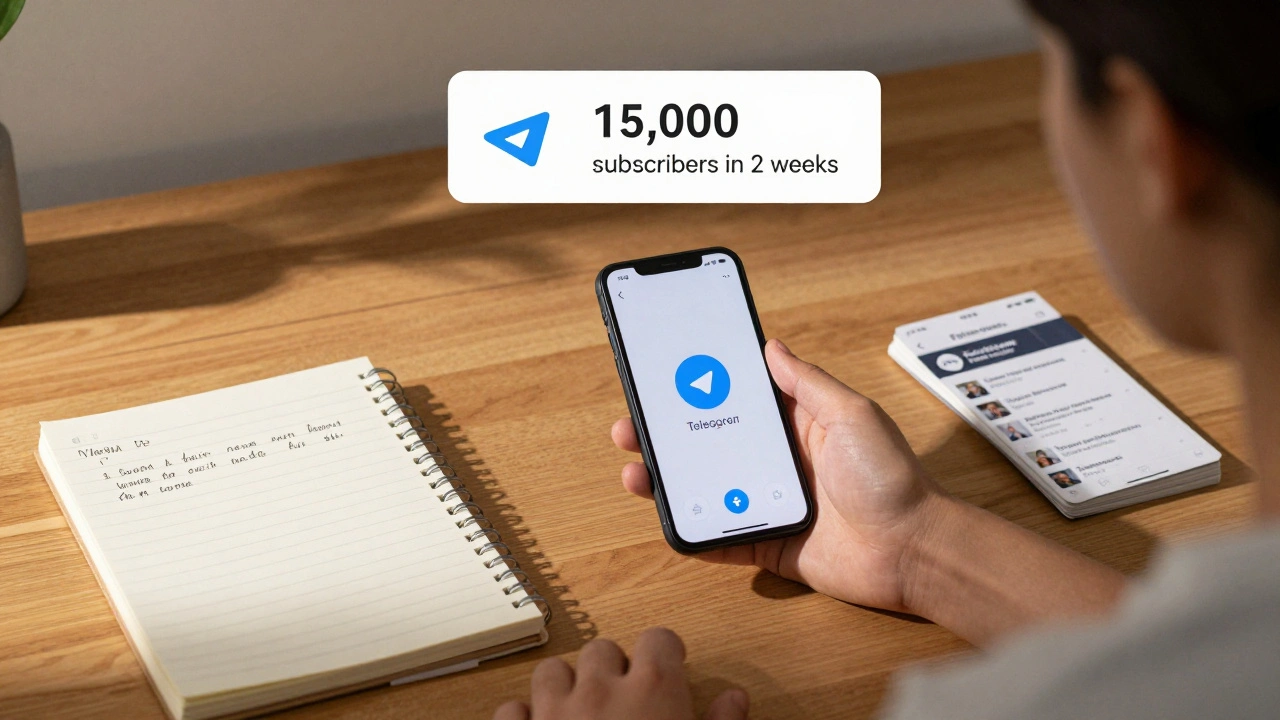
Monetization: 50% ad revenue share vs zero
Telegram doesn’t just help you grow - it helps you earn. Once your channel hits 1,000 subscribers, you unlock revenue sharing. Telegram takes 50% of ad revenue from public channels. That means if your channel gets $2,000 in ad impressions, you get $1,000. No middleman. No platform cut beyond the 50%. Add in Telegram Stars - their built-in digital currency - and you can sell e-books, courses, or exclusive content directly inside the app. One indie writer in Poland sold 470 copies of a 12-page guide using Stars. Total revenue: $2,350. No website. No Stripe. No payment processor. Just a link in a message. Email? Monetization means integrating with third-party tools. You need a landing page. A payment gateway. A CRM. And even then, you’re at the mercy of email providers who might block your links or mark you as spam. Telegram? Everything lives inside the app. You control it. You own it.Effort: 15 minutes per post vs hours of setup
How much time does it take to run a Telegram channel? About 15 minutes. Here’s the routine: Record a quick voice note. Write a one-line headline. Add a short description. Drop in the link. Hit send. That’s it. No templates. No subject lines. No A/B testing. No segmentation. No design tools. Email? You need a template. A subject line that doesn’t trigger spam filters. A preview text. A call-to-action button. A tracking pixel. A list segment. A schedule. A backup plan if the email bounces. And you still might not get opened. Telegram doesn’t reward polish. It rewards authenticity. A shaky voice note from your phone, typed on a napkin, posted at 2 a.m.? That’s the content that wins.Who wins? It depends on your audience
Telegram isn’t better than email in every way. It’s better for some people. If your audience is tech-savvy - developers, crypto traders, indie creators, startup founders - Telegram is the clear winner. They’re already on it. They trust it. They respond to it. If your audience is corporate - HR departments, B2B sales teams, enterprise clients - email still rules. Why? Because compliance. Legal teams. Audit trails. GDPR. Slack integration. These things matter in big companies. Telegram doesn’t offer them. Not yet. And if you’re selling physical products? Email still has an edge. Shipping updates, order confirmations, delivery alerts - those work best through email systems built for e-commerce. But even here, Telegram is catching up. Brands like Shopify and WooCommerce now offer Telegram integrations for abandoned cart alerts and order tracking.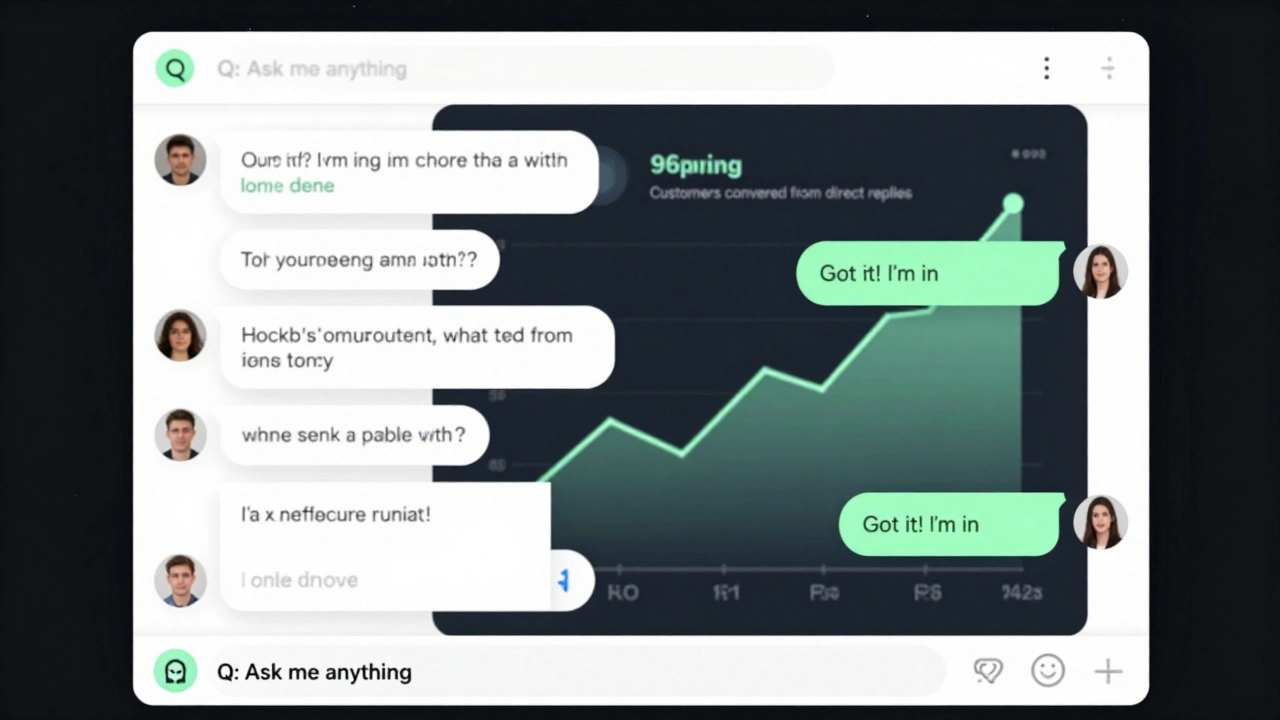
Start here: The 3-step Telegram growth plan
If you’re ready to try Telegram, don’t overthink it.- Create a public channel. Name it clearly. Use your brand. Add a profile picture. Write a one-line bio.
- Post once a day for 7 days. No fancy stuff. Just value: a tip, a link, a question, a short story. Use voice messages. They feel human.
- Share your channel link everywhere. Reddit threads. Twitter. LinkedIn. Discord. Even your email signature. Ask one person to share it. Then ask another.
What about direct outreach?
If you’re serious about conversions, skip the ads. Go straight to direct outreach. Use a tool like CRMChat or Telegram’s own bot API to send personalized messages to people who already follow you or engage with your content. Response rates? 10-25%. That’s 10x better than any paid ad. One SaaS founder in Austin sent 500 direct messages to people who joined his Telegram channel. 120 replied. 18 became paying customers. Cost? $80 for the bot subscription. Revenue? $5,400. ROI? 6,650%. That’s not luck. That’s strategy.Final call: Don’t choose one. Choose when.
Email isn’t dead. But it’s losing its grip. Use email for compliance-heavy messages: invoices, receipts, legal notices. Use Telegram for everything else: updates, promotions, community building, sales. The future of subscriber conversion isn’t about which tool is better. It’s about using the right tool for the right moment. Telegram gets attention. Email gets paperwork. Choose accordingly.Can I use Telegram channels without any technical skills?
Yes. Creating a Telegram channel takes less than 5 minutes. You don’t need to code, install software, or pay for a service. Just download the Telegram app, tap "New Channel," pick "Public," and start posting. No design skills needed. No templates. No email marketing software. Even voice messages work - no editing required.
How fast can I grow a Telegram channel?
Most creators see 1,000 subscribers within 2-4 weeks if they post daily and share their link in 2-3 online communities. Growth isn’t about ads - it’s about consistency. One person sharing your link to their friend group can add 50-100 new subscribers overnight. There’s no magic formula. Just show up, post something useful, and ask people to share it.
Is Telegram better than WhatsApp for newsletters?
Telegram is better for public broadcasting. WhatsApp is private - you can’t create a public channel or broadcast to 10,000 people easily. Telegram lets you build a public channel anyone can join. WhatsApp works better for small, private groups (like customer support). For scaling a newsletter, Telegram wins.
Do I need to run ads to make Telegram work?
No. In fact, most successful Telegram channels never run ads. Organic growth through personal sharing and community engagement works better. Ads can help once you have a clear message and a few hundred followers, but they’re not required. Many creators earn more from direct outreach and Telegram Stars than from paid ads.
Can I monetize a Telegram channel without selling products?
Yes. Once you hit 1,000 subscribers, Telegram shares 50% of ad revenue from your channel. You can also use Telegram Stars to sell digital content like guides, templates, or audio notes. Even if you don’t sell anything, you can promote other creators’ products and earn affiliate commissions - all within the app. No website needed.
What if my audience doesn’t use Telegram?
Then start with email. But don’t ignore Telegram forever. Test it with a small group - invite 10 loyal followers to join your channel. See how they respond. If even 3 of them engage, that’s a sign your audience might be ready. Many people have Telegram installed but never use it for content. Once they see value, they’ll stick around.