Training Local Journalists to Use Telegram for News Distribution
Quick Summary
- No Algorithm Distortion: Telegram offers chronological feeds, ensuring subscribers see every piece of news instantly.
- Channel Architecture: Distinguish clearly between broadcast-style Channels and interactive Groups for different engagement goals.
- Safety First: Security features are non-negotiable; training must prioritize source protection and account safety.
- Visual Storytelling: Successful distribution relies heavily on multimedia formatting rather than plain text links.
- Verification Skills: Journalists must master rapid fact-checking due to the platform's speed-driven nature.
The Shift to Direct Distribution
If you are teaching a journalist how to work in 2026, you cannot ignore Telegram. This messaging app has quietly evolved into a massive newsroom infrastructure for independent reporters and legacy media alike. Unlike traditional social networks that hide content behind opaque algorithms, Telegram Platform operates more like a modern newswire system. When a journalist publishes a post, it goes straight to the subscriber’s phone notification center without a bot deciding its worth. For local journalists working in regions where trust in mainstream outlets is low, this direct line of communication is a lifeline. It bypasses gatekeepers and places raw information directly in the hands of the community.
The shift began accelerating around 2022 when global discourse changed drastically. Traditional platforms prioritized engagement time through controversial content, often burying factual updates. A chat-based application enabling fast, encrypted communication, Telegram allows a reporter to send breaking news exactly when it happens. There is no waiting period. A local journalist covering a town hall meeting can upload photos and transcribe key points while still standing in the room. By the time they finish their story, the audience already has the facts. This immediacy changes the journalistic workflow from “write first, publish later” to “broadcast live.”
Understanding the Technical Structure
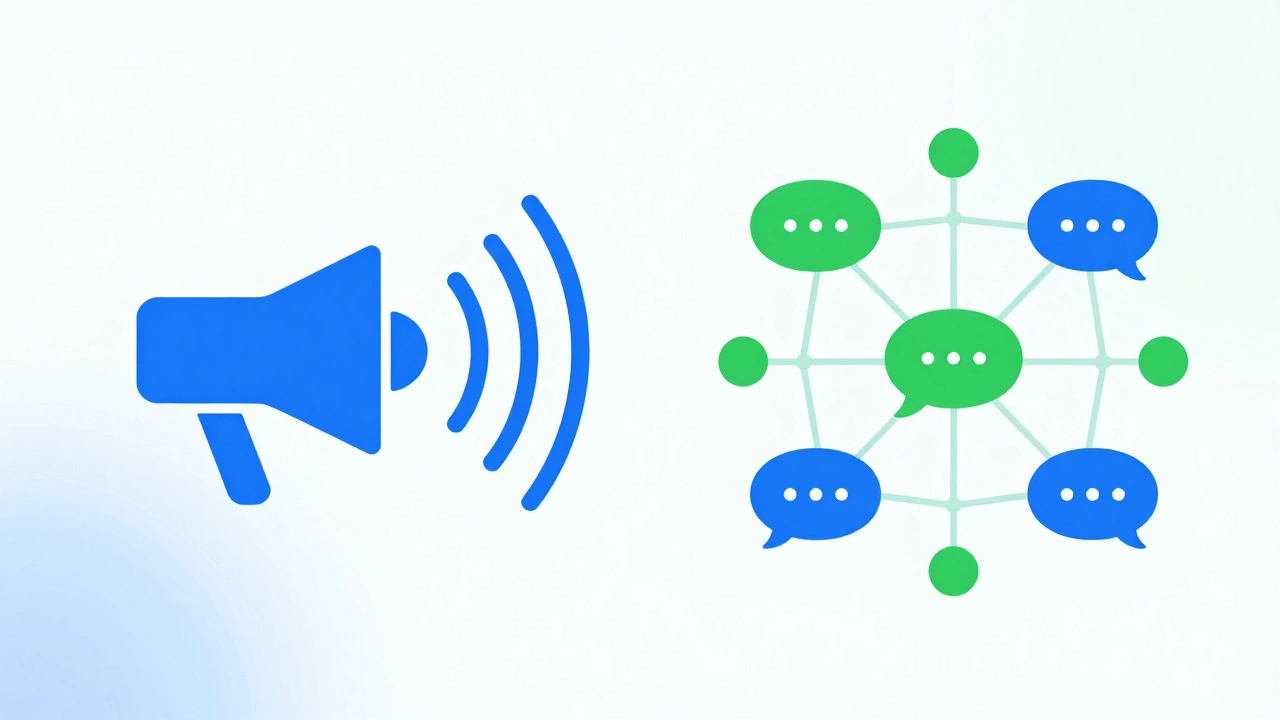
To train effectively, you must explain the difference between the two core structures: Channels and Groups. Most confusion arises when journalists try to use one for the purpose of the other. Channels function as broadcast media. They are designed for one-to-many communication. The administrator posts, and everyone else listens. This mimics a radio station or a TV news ticker. If the goal is simply distributing verified news, hard data, and investigative reports, the Channel is the correct tool. Subscribers do not comment publicly, which keeps the feed clean and prevents the spread of misinformation in the thread itself.
Groups, conversely, are for many-to-many interaction. They allow discussion, debate, and community building. A group can have thousands of members who chat amongst themselves. In training programs, we advise journalists to set up a primary Channel for official reporting and link a secondary Group for public Q&A. Separating these two spaces maintains editorial control while still allowing audience feedback. Without this separation, a news update gets lost in a flood of personal comments, diluting the brand authority.
| Feature | Channels | Groups |
|---|---|---|
| Communication Style | One-to-Many Broadcast | Many-to-Many Chat |
| Privacy Settings | Admin-controlled, Public/Private | Member-visible participation |
| Ideal Use Case | Distributing Official News | Community Discussion & Support |
| Feed Visibility | Chronological List | Active Chat Stream |
Creating Compelling Content Without Algorithms
Journalists trained on X or Facebook are used to optimizing hashtags to survive search filters. Telegram Journalism requires a completely different skillset. Since subscribers receive everything in strict chronological order, there is no "best time to post." However, timing matters because users still check apps based on their daily routines. The real challenge is formatting. Long blocks of text get skipped. To hold attention, you need short paragraphs, bold headers, and heavy use of native multimedia. You should teach your trainees to embed audio clips, high-resolution photos, and embedded video files directly into the message body rather than linking out to YouTube or external sites whenever possible. Native playback keeps users inside the app, increasing retention.
Promptness is another metric. Research suggests that successful Telegram media outlets win by being faster than competitors. While accuracy remains paramount, the expectation is speed. A standard operating procedure for the team might look like this: Field reporter captures footage -> Editor verifies basic facts within minutes -> Post goes live immediately -> Longer analysis follows later. This approach acknowledges that people want the “what” now and the “why” later. You must also leverage visual accompaniment. In a crowded ecosystem, a post with a photo gets significantly more traction than a text-only link dump. Train journalists to treat every post as a visual asset, not just a headline.
Verification and Safety Protocols
In the age of instant messaging, fake information travels as fast as truth. One of the most critical parts of training involves establishing a rigid verification pipeline. Because Telegram lacks public moderation teams for news stories, the burden falls entirely on the publisher. We teach journalists to implement a “two-source rule” before hitting send, even if it means losing five minutes of speed. Additionally, cross-referencing location data from metadata helps. When receiving user-submitted videos of incidents, journalists must check timestamps, shadow angles, and background landmarks to confirm origin.
Safety extends beyond just fact-checking. Source Protection is vital for those working in restricted environments. Telegram provides strong encryption, but default settings often leak IP addresses or phone numbers. Trainers must walk staff through the security menu. Disable read receipts. Turn off last seen status. Use usernames instead of phone numbers for identification. If a journalist is reporting on sensitive government activities, leaking their own contact details can put lives at risk. Regular drills testing account security help build muscle memory for these digital hygiene practices.
Building an Engaged Subscriber Base
Growing a channel is rarely organic unless you already have a reputation elsewhere. The most effective growth strategy involves cross-platform promotion. You cannot rely on Telegram’s internal search to find you easily. Journalists should integrate their Telegram handle into email signatures, printed broadcasts, and existing X or Facebook profiles. Think of Telegram as the premium club and social media as the billboard advertising membership.
Interaction drives loyalty more than content volume. Even though Channels restrict comments, admins can reply to viewers using pinned comments or forward messages to associated Discussion Groups. Asking questions, holding polls, and creating quizzes keeps the audience active. For example, running a weekly poll asking locals what issues they want covered next creates a sense of ownership among subscribers. This interactivity transforms passive readers into invested stakeholders who will actively share the channel to expand reach.

Evaluating Metrics and Success
Instagram likes are vanity metrics, but Telegram views tell a different story. The view count represents unique individuals who opened the message. Tracking average view rates over time gives a clear picture of audience health. If a specific type of content consistently gets lower views, the topic resonates less with the audience. This feedback loop is much faster than print circulation audits. Furthermore, analyze referral sources. Where did the new subscribers come from? Understanding this helps optimize promotional efforts on other platforms. Finally, consider the cost-benefit ratio. Unlike paid social boosts, Telegram distribution is free once the channel is established. This makes it highly efficient for organizations with limited budgets.
Navigating Regulatory Landscapes
Finally, trainers must prepare journalists for the reality of regulation. In some emerging markets, governments attempt to restrict access to encrypted messaging apps or monitor traffic. Awareness of legal frameworks regarding defamation and misinformation laws is essential. Having protocols for archiving messages ensures that evidence of reporting is preserved even if accounts are banned. Backup systems using decentralized storage ensure that historical records remain accessible. Training must address not just the technical 'how,' but the legal and operational context of the specific region where the journalism takes place.
How long does it take to build a substantial Telegram audience?
Growth varies widely, but consistent daily posting combined with cross-promotion on social media can yield several thousand subscribers within three to six months. Speed of news coverage correlates directly with acquisition rates.
Is Telegram safer than WhatsApp for sensitive sources?
Yes, largely due to its focus on server-side privacy and the ability to use username identifiers instead of phone numbers. However, always verify client-side encryption settings for specific chats.
Can I monetize my news channel directly?
While ads exist within large channels, most independent journalists monetize by driving traffic to paid newsletters, offering premium subscription tiers, or accepting donations rather than relying solely on platform ad revenue.
Do algorithms affect how often people see my posts?
No. Unlike X or Facebook, Telegram displays posts chronologically. If you post, your active subscribers will see it regardless of previous interactions. The only filter is manual blocking by the user.
What kind of hardware is needed for production?
You do not need expensive equipment. A reliable smartphone capable of recording HD video and editing images is sufficient. The software interface works well across desktop, mobile, and web browsers.