Why Telegram is the Right Tool for UGC
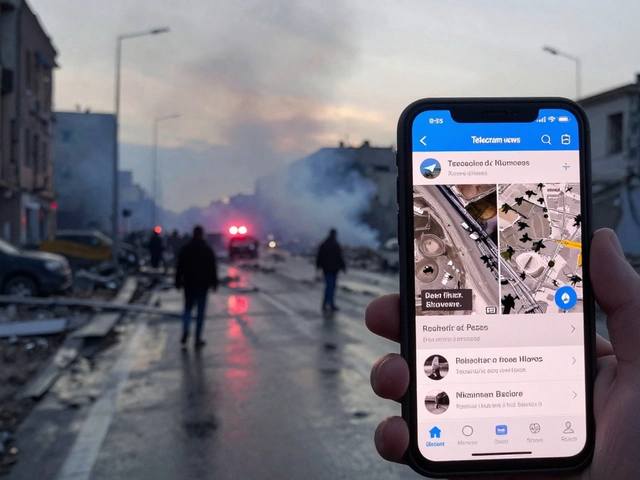
Most social platforms are designed for broadcasting, but Telegram is designed for communication. For a journalist, the difference is huge. When a user sends a video to a bot, it stays in a high-quality format without the aggressive compression you see on other apps. Plus, the Telegram Bot API is the interface that allows developers to create bots that can send and receive messages, handle files, and integrate with external databases , making it possible to automate the sorting of thousands of submissions. Think about the speed. In a breaking news scenario, every second counts. A bot can instantly ask a user for their location, the time of the event, and a brief description of what they saw. This transforms a random video into a structured piece of evidence that a producer can actually use. Instead of digging through DMs, the newsroom gets a clean feed of verified data points.Building the Collection Pipeline
To actually make this work, you can't just have a bot that says "Send me your news." You need a workflow that guides the user and organizes the data. A professional UGC bot usually follows a specific logic: the intake, the qualification, and the storage.First, the intake starts with a greeting and a request for the media. The bot should be programmed to accept specific file types-mostly MP4s and JPGs-to avoid junk data. Once the media is received, the bot moves to qualification. This is where you ask the critical questions: "Where exactly are you?", "What time did this happen?", and "Do you give us permission to use this footage?" Without that last part, you're walking into a legal minefield regarding copyright.
Finally, the data needs to go somewhere useful. Using a FastAPI backend is a modern, high-performance web framework for building APIs with Python that can handle the asynchronous nature of thousands of incoming messages , you can route these submissions directly into a newsroom dashboard. This prevents the bot's chat history from becoming a cluttered mess and allows editors to tag, archive, and prioritize clips based on the severity of the event.
| Feature | Manual Social Monitoring | Telegram Bot Pipeline |
|---|---|---|
| Data Structure | Unstructured (Captions/Tags) | Structured (Form-based) |
| Media Quality | Compressed by Platform | Original File Quality |
| Legal Consent | Implied or Missing | Explicit Opt-in via Bot |
| Response Time | Slow (Manual Searching) | Instant (Push Notifications) |

The Verification Nightmare: Fighting AI and Fakes
Here is the catch: just because someone sends you a video doesn't mean it's real. We are now in an era of hyper-realistic AI-generated content. Some bad actors use AI chatbots to generate fake news sites or fabricate events to sow chaos. If you publish a fake video from a bot submission, your news organization's credibility is gone in an instant. To survive this, you need a verification layer. You can't rely on the bot alone; you need a system that checks for Metadata is hidden data embedded in a file that includes the date, time, and GPS coordinates of where a photo or video was taken . If a user claims to be in Asheville but the metadata says the video was filmed in a studio in another country, you have a red flag. Beyond metadata, newsrooms are starting to use Vision-Language Models (VLMs) to analyze visual content for signs of AI manipulation. This involves checking for "hallucinations" in the video-like a person having six fingers or a building that shifts shapes. While tools like GPTZero can help identify AI-generated text, visual verification requires a combination of automated tools and human eyes. A a-priori rule for any newsroom should be: never publish UGC from a bot without at least two independent points of verification (e.g., a second witness or a matching official report).Scaling with Automation and AI
Once the content is collected and verified, the next step is making it searchable. If you have 5,000 videos of a storm, you can't watch them all. This is where Vector Databases are specialized databases that store data as mathematical vectors, allowing for semantic search based on meaning rather than just keywords come into play. By converting the bot's text descriptions and AI-generated transcripts of the videos into embeddings, an editor can search for "car flipped over on Main Street" and find the exact clip even if the user didn't use those exact words. This turns a mountain of raw UGC into a searchable library of events. You can also integrate a scheduler to periodically fetch related updates from RSS feeds, which are standardized web feeds that allow users and applications to access updates to websites in a computer-readable format , to see if professional outlets are reporting the same story, providing a cross-reference for the UGC you've collected.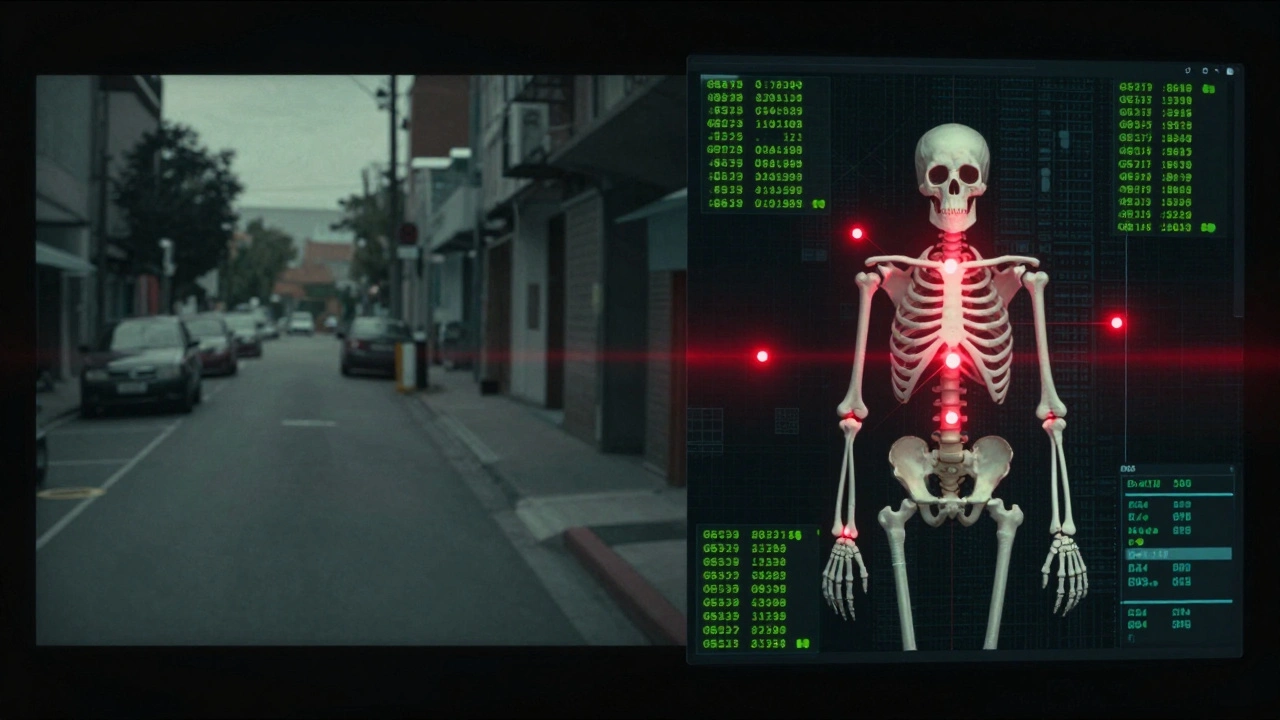
Common Pitfalls to Avoid
Many organizations fail because they treat the bot as a passive mailbox. If people send content and hear nothing back, they stop sending. To keep the pipeline flowing, the bot should provide a feedback loop. A simple "Your footage has been received and is being reviewed by our editors" goes a long way in building trust with your sources. Another mistake is ignoring security. Because these bots are public, they can be targets for spam attacks. You must implement rate-limiting to prevent a single user from flooding your system with garbage data. Additionally, ensure your backend is secure; if a bot is connected to your internal newsroom database, a vulnerability in the API could give a hacker a gateway into your entire network.Is it legal to use content collected via Telegram bots?
Only if you have explicit permission. Your bot should include a mandatory checkbox or a "Yes/No" prompt asking the user for the right to publish the content. Without this documented consent, you risk copyright infringement lawsuits, regardless of how "breaking" the news is.
Can a bot actually tell if a video is AI-generated?
Bots can't "know" for sure, but they can flag anomalies. They can check for missing metadata, analyze pixels for common AI artifacts, and compare the content against known fake clips. However, the final decision should always be made by a human journalist.
What is the best way to organize thousands of UGC submissions?
Avoid using the Telegram interface for management. Route all bot data to a database (like PostgreSQL) and build a simple web-based dashboard where editors can filter by location, time, and urgency.
Do I need to be a coder to set this up?
For basic distribution, no-code tools like RSS.app can work. But for actual UGC collection (where users send data to you), you'll likely need a developer to build a custom backend using the Telegram Bot API and a framework like FastAPI to ensure the data is stored and verified correctly.
How do I stop bots from being spammed?
Use rate-limiting to restrict how many messages a user can send per minute. You can also implement a simple CAPTCHA or a verification step where the user must provide a phone number to prove they are a real person.