The Real Cost of Fake News on Messaging Apps
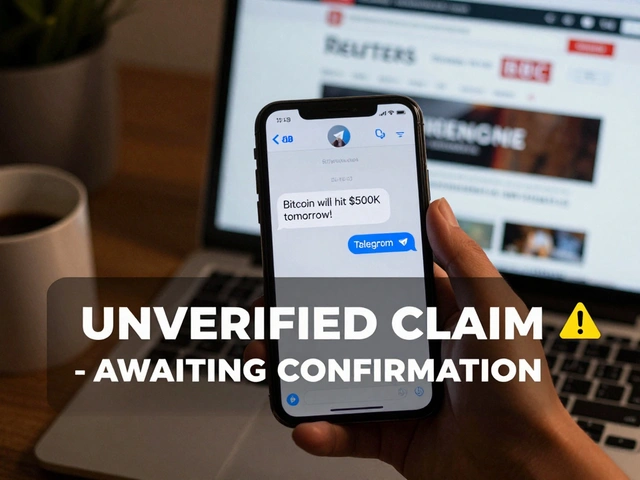
You open your favorite messaging app. You see a headline flashing across the screen. It sounds official. The logo looks real. Even the profile picture matches what you expect. But by the time you realize the story isn't true, the damage is done. That message got shared, saved, and sent to family groups. Before we talk about solutions, we need to acknowledge how hard it is to spot fakes on a platform built for speed.
This exact scenario played out millions of times on Telegram. For years, users relied on visual cues that didn't always tell the whole story. The landscape shifted dramatically in early 2025. A major update rolled out new protocols designed specifically to stop scams and protect the accuracy of public information. If you rely on messaging channels for news, understanding these standards isn't optional anymore.
Why the Old Blue Checkmark Failed Us
We have all seen the blue tick. On many platforms, it signaled 'verified identity.' It meant the person or brand was who they said they were. However, having an ID card doesn't mean you know facts. In 2024, the limitation became obvious. Scammers bought their way into the system. They submitted documents that proved their identity as a business owner, but then used that verified account to run investment fraud or spread dangerous health advice.
The original system created a false sense of security. A checkmark told you the account wasn't an impersonator. It did not tell you that the content inside was truthful. Bad actors exploited this gap. They gained the badge and then used it to lend credibility to lies. This led to massive platform accuracy issues where cyberbullying and malware spread under the protection of a trusted symbol.
This realization forced a fundamental redesign of how digital trust works. The solution couldn't come from one centralized body deciding truth. Instead, it required experts within specific fields to validate claims.
The 2025 Third-Party Verification Shift
In January 2025, the platform launched a decentralized verification ecosystem. This system moves authority away from the app itself and places it in the hands of sector-specific regulators. Think of it like a supply chain for trust. Instead of one stamp, you get endorsements from organizations that actually know the industry.
| System Features | |
|---|---|
| Old Method | Blue checkmark confirms identity only |
| New Method | Sector-specific logos confirm standards compliance |
| Authority | Centralized Platform |
| Scope | Third-party domain experts |
To participate, external verifiers must already hold their own credentials on the platform. This ensures the auditor is legitimate before they start auditing others. When a food safety regulator verifies a chef's channel, that channel displays a specific icon-like a carrot-rather than a generic checkmark. This visual distinction tells you immediately which organization vouched for the account. It creates transparency. You aren't just trusting a company; you are trusting the regulatory body attached to that profile.
These organizations manage their badges dynamically using technical infrastructure similar to how companies handle affiliated accounts elsewhere. If a channel stops meeting safety standards, the organization can revoke the sticker instantly through the Bot API. This agility prevents long-term abuse of the status.

Tools for Personal Fact-Checking
Even with better badges, users still need tools to dig deeper. You cannot simply consume headlines. You need the ability to audit the conversation history. That is why advanced search functionality became critical during the same 2025 update. The platform added filters that let you hunt for keywords within specific chats or groups.
Imagine you read a rumor in a group chat. Instead of blindly sharing it, you click the search tab. You filter by 'Chats' and type the key claim. You can now see when that information first appeared and where it originated. You can verify if other credible sources discussed it previously. This turns passive consumption into active investigation.
Another subtle layer of verification arrived through service message reactions. Channels can add emoji reactions to join notifications. While this sounds minor, it builds a secondary layer of community engagement metrics. High engagement on specific alerts often correlates with legitimate breaking news updates rather than spam drops.
Security Foundations: Two-Step Verification
Accuracy relies heavily on access control. If a hacker takes over a verified news channel, every post from that point forward becomes untrustable. To protect the integrity of the source, you must lock the door behind you. Two-step verification adds a cloud password requirement beyond the standard SMS code.
This feature sits in the Privacy and Security settings on the desktop or web version. You set a strong password combining numbers, symbols, and cases. You also register an email recovery address. Without this step, a phone number swap can hand control of a verified asset to a stranger. This security measure isn't about content moderation; it is about ownership integrity. Without secure ownership, no amount of fact-checking matters.
Regulation and the Future of Platform Accountability
The push for accuracy standards extends beyond software updates. By February 2026, governments began weighing in on how platforms distribute content. Discussions regarding algorithmic amplification of misinformation sparked significant debate between regulators and founders.
For instance, the Spanish Government engaged in public disagreement over proposed regulations affecting content distribution mechanisms. This tension highlights the ongoing battle between platform freedom and the legal requirement to prevent harm. Founders like Pavel Durov often defend end-to-end privacy while regulators demand actionable controls over public feed mechanics.
This friction drives change. It forces platforms to adopt proactive measures like the decentralized verification system before laws mandate them strictly. As a user, this means the tools available today might evolve rapidly. What protects accuracy next year could involve stricter metadata requirements for news bots or mandatory disclosure labels for sponsored content.
Practical Steps for Readers Today
Don't wait for perfect technology to verify what you read. Apply these checks right now:
- Check the Icon: Look for sector-specific stickers instead of generic blue checks. A carrot icon means a food regulator checked you.
- Use Search Filters: Don't share until you've searched the claim within the chat history.
- Secure Your Own Channel: Enable two-step verification on any account you use to publish information.
- Verify the Verifier: Click on the organization responsible for the badge. Do they have their own blue check?
These habits build a mental firewall against the noise. The platform provides the infrastructure, but the user provides the judgment.
How do I enable third-party verification on my account?
You generally cannot apply directly for sector-specific verification yourself. You must contact the relevant regulatory body or professional consortium associated with your field. If they verify your identity and standards compliance through the Bot API, they will assign the specific logo to your profile.
Does a blue checkmark guarantee factual accuracy?
No. The blue checkmark confirms the identity of the account holder, proving they are not an impersonator. It does not certify that the content posted is true or free from misinformation. Sector-specific logos offer a higher standard of credibility.
What is the purpose of advanced search filters?
Advanced search filters allow you to locate specific keywords within designated chats or groups. This helps you trace the origin of information and identify when a message was first introduced to the conversation, aiding in independent fact-checking.
Is two-step verification mandatory for news channels?
While technically optional, it is highly recommended for any official communication channel. Without it, your account remains vulnerable to takeover, which would compromise the trust and accuracy of all future broadcasts from that source.
Can third-party verifiers remove a badge?
Yes. Organizations can use the technical infrastructure to dynamically assign or remove verification. If an account violates the standards set by the verifier, they can revoke the specific logo or sticker linked to that channel.