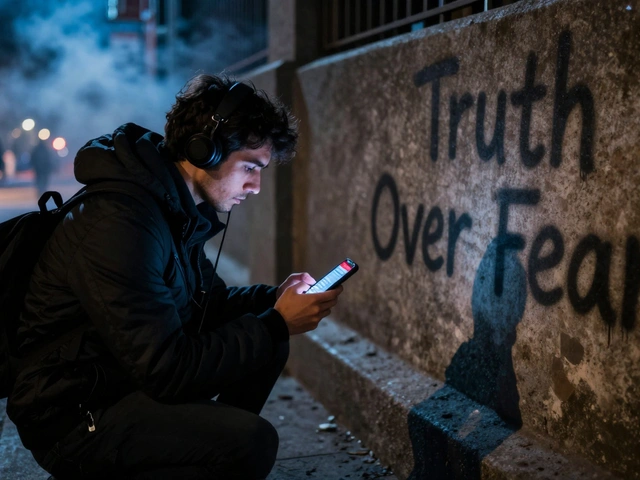
Imagine you are a journalist covering a breaking story. You have inside information that could change everything, but the person giving it to you is terrified. They demand anonymity. In traditional newsrooms, this triggers a strict protocol involving editors, legal teams, and detailed documentation. On Telegram is a cloud-based instant messaging app known for its large group capacities, channels, and emphasis on speed and security features, however, the rules feel different. The platform moves fast, encryption settings are confusing, and there is often no editor watching your back. This creates a dangerous gap between what feels like good journalism and what actually is.
The rise of Telegram as a primary news distribution channel, especially in regions like Eastern Europe and Israel during recent conflicts, has exposed a critical vulnerability. While the platform democratizes information flow, it also strips away the institutional safeguards that protect both sources and the public’s trust. Using anonymous sources on Telegram isn’t just about keeping a secret; it is about navigating a technical environment where "privacy" does not always mean "secure." If you report from Telegram, you must adapt established ethical standards to this specific, high-risk ecosystem.
Why Telegram Changes the Rules for Source Protection
To understand the ethical weight of anonymous sourcing on Telegram, you first need to understand the platform itself. Many users assume Telegram is fully encrypted by default. It is not. Standard one-on-one chats are stored on Telegram’s servers and are not end-to-end encrypted unless you explicitly switch to Secret Chats is a feature within Telegram that enables end-to-end encryption, ensuring that only the sender and recipient can read the messages, with no server-side storage. This distinction matters immensely for source safety. If a journalist relies on standard chat history for sensitive tips, they are potentially exposing their source to data breaches or platform-level access.
This technical reality creates an ethical obligation that goes beyond typical journalistic guidelines. In a traditional newsroom, the institution holds the encryption keys and the legal liability. On Telegram, the individual reporter often bears the full burden of security hygiene. Research into Israeli Telegram news channels during the 2023-2025 period revealed that while many operators tried to anonymize details, the lack of standardized security practices led to inadvertent source exposure. The decentralized nature of these channels means there is no central editorial board to catch mistakes before they go viral. You are responsible for knowing the difference between a private message and a secure vault.
Adapting Mainstream Standards to Decentralized Platforms
Just because the platform is informal doesn’t mean the ethics should be. Major organizations like the Associated Press is a global news agency that sets rigorous industry standards for accuracy, attribution, and the use of anonymous sources in reporting and The New York Times is a leading newspaper with strict editorial guidelines requiring high evidentiary bars and specific descriptions for any unnamed sources used in stories have clear rules: anonymous sources are a last resort. They require direct knowledge, vital newsworthiness, and corroboration. These principles apply equally on Telegram, perhaps even more strictly.
On Telegram, the temptation to publish quickly is immense. A tip arrives via bot or private message, and the pressure to share it with your followers is immediate. However, ethical reporting demands pause. Before publishing unverified claims from an anonymous source, ask yourself: Is this information vital? Can it be obtained another way? Is the source credible? The AP requires extra corroboration for anonymous material-meaning at least one independent source must confirm the facts. On Telegram, where misinformation spreads rapidly, skipping this step damages your credibility permanently. Speed without verification is not journalism; it is rumor-mongering.

The Problem with Vague Attribution
One of the biggest ethical failures on Telegram news channels is vague attribution. Phrases like "sources say" or "insiders report" are meaningless to readers. They provide no way to assess credibility. The New York Times emphasizes describing the source’s position and knowledge basis-for example, "a person who read the board meeting minutes." This gives the audience context to judge the reliability of the claim.
When you use an anonymous source on Telegram, you must do the same. Instead of saying "an anonymous user," try "a former logistics coordinator for [Organization]." This specificity builds trust. It shows you know who you are talking to and why they know what they know. The Online News Association notes that stories are more credible when you explain the source’s attributes. On a platform where anyone can create a channel, transparency about your sources is your strongest defense against accusations of fabrication.
Verification and Corroboration Strategies
Since you cannot rely on institutional oversight, you must build your own verification process. The Reuters Institute advises journalists using Telegram to "scrape and archive religiously." This means saving original messages, screenshots, and metadata before editing or publishing. If a source later denies making the statement, or if the content is challenged, you need proof of the original communication.
Corroboration is non-negotiable. Never publish a significant claim based solely on one anonymous Telegram tip. Look for digital footprints. Does the source’s claim align with publicly available data? Are other independent channels reporting similar details? Cross-referencing helps separate genuine leaks from disinformation campaigns. Remember, Telegram’s rapid dissemination features exacerbate sensationalism. Your job is to act as a filter, not a megaphone. By verifying through multiple lenses, you protect your source and your audience.
Minimizing Harm and Assessing Intent
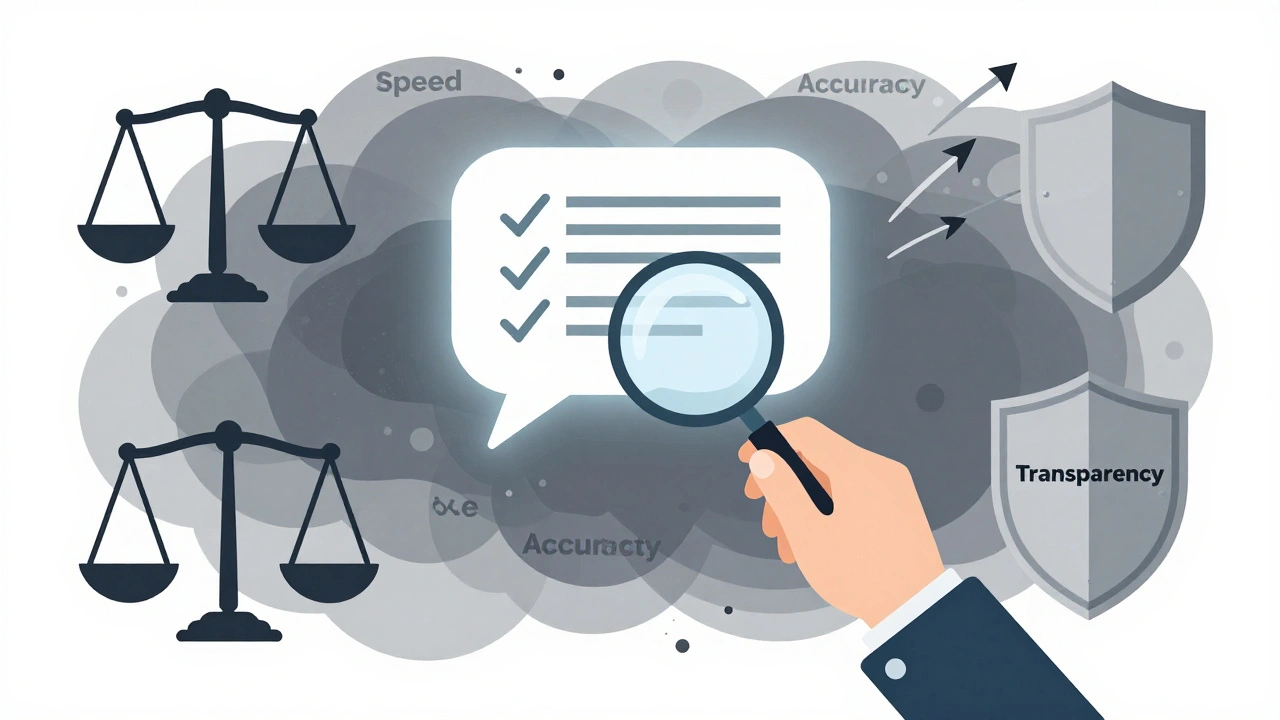
Not all requests for anonymity are equal. Ethical justification is stronger when protecting a whistleblower revealing corruption or wrongdoing compared to someone seeking anonymity to avoid accountability for controversial opinions. The Society of Professional Journalists recognizes that anonymous sources are sometimes the only key to unlocking big stories, but this privilege comes with responsibility.
Before granting confidentiality, discuss the reasons for anonymity with the source. Do they fear retaliation? Are they bound by non-disclosure agreements? Understanding their motivation helps you assess risk. If the source is an innocent, wronged party, the ethical imperative to protect them is high. If they are simply trying to spread speculation without consequence, you should decline anonymity or refuse to publish. Minimizing harm is a core tenet of journalistic ethics, and on Telegram, where privacy breaches are common, this principle is critical.
| Criteria | Traditional Media (e.g., AP, NYT) | Telegram News Channels |
|---|---|---|
| Editorial Oversight | Mandatory multi-layer review | Often absent or self-directed |
| Encryption Default | Institutional secure servers | Standard chats NOT end-to-end encrypted |
| Attribution Specificity | Detailed role/description required | Frequently vague ("anonymous source") |
| Corroboration Standard | Strict independent verification | Variable, often rushed due to speed |
| Accountability | Brand reputation at stake | Individual operator reputation only |
Building Trust Through Transparency
Trust is currency in journalism. On Telegram, where audiences are skeptical of mainstream narratives, earning that trust is harder but more valuable. Be transparent about your limitations. If you cannot verify every detail, say so. If you are relying on an anonymous source, explain why anonymity was necessary and what steps you took to verify the information. This honesty resonates with readers.
Some Telegram channels have successfully engaged in fact-checking and corrections, proving that ethical practices can thrive in decentralized spaces. When you make a mistake, correct it prominently. Do not delete posts silently. Acknowledging errors builds long-term credibility. Your audience wants accurate information, not just fast information. By prioritizing ethics over speed, you distinguish yourself from the noise.
Are Telegram chats safe for sharing sensitive source information?
Standard Telegram chats are not end-to-end encrypted by default, meaning Telegram stores the messages on its servers. For highly sensitive information, you must use "Secret Chats," which offer end-to-end encryption and device-specific storage. Never assume standard chats are secure for whistleblowers or vulnerable sources.
Can I publish anonymous tips from Telegram without verification?
No. Ethical journalism requires corroboration. Publishing unverified anonymous tips risks spreading misinformation and harming your credibility. Always seek at least one independent source to confirm the facts before publishing, regardless of the platform's speed.
How should I attribute anonymous sources on Telegram?
Avoid vague terms like "anonymous source." Instead, provide specific context about the source’s role and knowledge, such as "a senior official familiar with the negotiations." This allows readers to assess the credibility of the information even if the name is withheld.
What is the main ethical risk of using Telegram for news?
The main risk is the lack of institutional oversight combined with technical misconceptions about encryption. This can lead to inadvertent source exposure and the rapid spread of unverified claims, damaging both the source and the journalist’s integrity.
Should I archive my Telegram conversations with sources?
Yes. Archiving messages, screenshots, and metadata is crucial for verification and accountability. If a source retracts their statement or disputes the content, you need evidence of the original communication to maintain journalistic integrity.
Latest Posts