When mainstream news feels like a controlled broadcast, not a conversation, people start looking elsewhere. And for millions of skeptical listeners around the world, that elsewhere is Telegram. Not because it’s perfect. Not because it’s always accurate. But because it’s the only place left where you can choose what you hear - without an algorithm deciding for you.
They Don’t Trust the Algorithm
Facebook, Twitter, YouTube - they all use algorithms. That means your feed isn’t shaped by what you care about. It’s shaped by what keeps you scrolling. Anger. Outrage. Conspiracy. Sensationalism. The more emotional the content, the more it gets pushed. Skeptical audiences noticed this fast. They saw how truth got buried under noise. So they left. Telegram doesn’t do that. No algorithm. No trending topics. No shadow banning. When you join a Telegram news channel, you get everything that channel posts - in order, in full, without filtering. If you want to follow a channel reporting on Ukrainian war updates, or a channel analyzing Fed policy from a libertarian angle, or a channel sharing raw police body cam footage - you subscribe, and you get it all. No middleman. No corporate gatekeeper. That’s why 80% of Telegram users say they learn most of their news from the platform, according to Analyzify’s 2025 report. It’s not about being radical. It’s about control. People want to decide what’s relevant. And Telegram lets them.Privacy Isn’t a Feature - It’s the Foundation
Telegram was built by the Durov brothers after they were forced out of Russia for refusing to hand over user data. That history shaped everything. From day one, privacy wasn’t a selling point. It was the point. Unlike WhatsApp, which encrypts only private chats, Telegram encrypts everything by default on the server side. Secret chats? End-to-end encrypted. File sharing? Up to 2GB per file. No limits on video length. No compression. You can send a 90-minute documentary, a 50-page PDF of leaked government reports, or raw audio from a protest - and it arrives intact. Compare that to Twitter, which limits videos to 2 minutes and compresses everything. Or Facebook, which strips metadata and blocks links to independent sites. Telegram doesn’t care. It just delivers. For people who need to verify claims with primary sources - journalists, researchers, activists - that’s not a luxury. It’s a necessity. And when governments try to shut it down? Telegram just moves. Its servers are spread across multiple countries. During the 2022 Russian invasion of Ukraine, Telegram stayed online while other platforms complied with censorship orders. In Iran, during the 2022 protests, Telegram was the only app that didn’t go dark. That kind of reliability builds trust - fast.Who’s Actually Using It?
Telegram isn’t just for techies. It’s for teachers in Poland who want to share uncensored history lessons. For nurses in Brazil who share hospital conditions during strikes. For crypto traders in India who need real-time updates without corporate spin. Demographics tell a clear story. As of 2025, 59% of Telegram users are male. 31% are between 25 and 34. Another 22.5% are 18 to 24. That’s not a coincidence. These are the people who grew up with the internet, saw how platforms changed, and learned to distrust institutions that profit from their attention. The platform’s strongest markets? Germany, where 19% of messenger users prefer Telegram. The Asia-Pacific region, which saw over 30 million downloads in Q3 2025 alone. And the U.S., where 75% of adults using Telegram for news say they believe it’s largely accurate - even when the content contradicts mainstream headlines. It’s not about politics. It’s about autonomy. People don’t want to be told what to think. They want to see the evidence - and decide for themselves.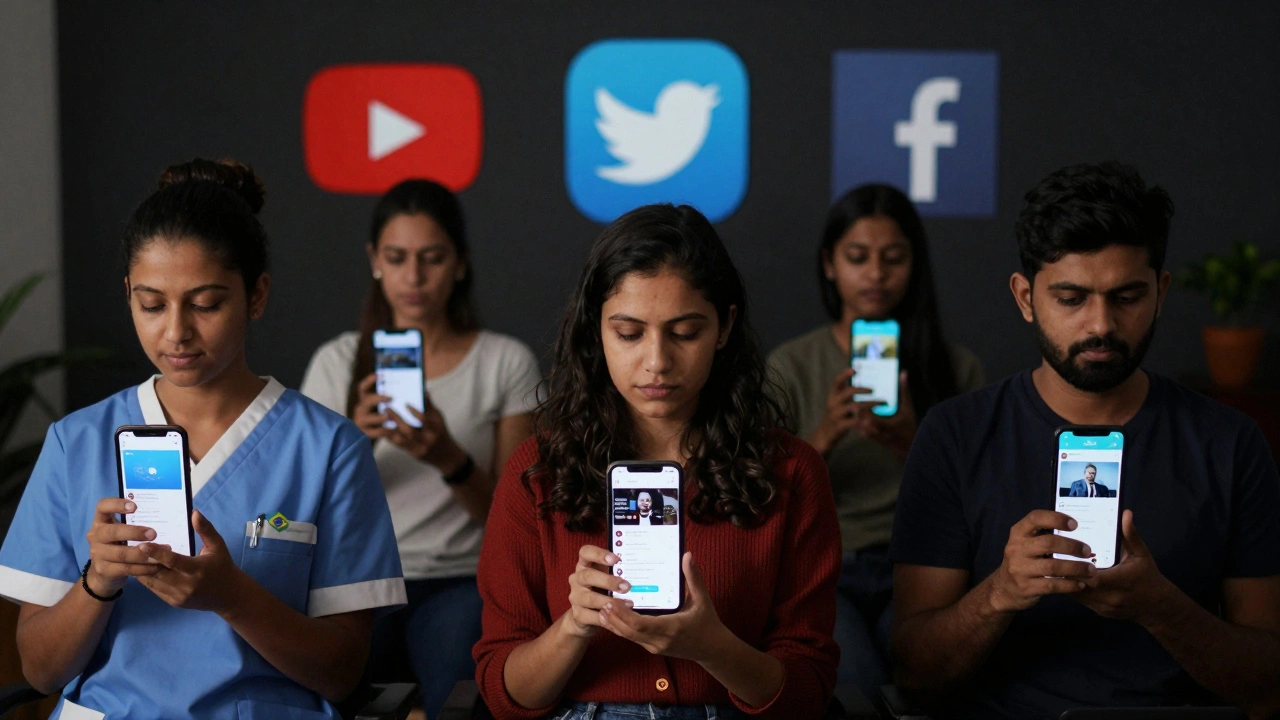
The Dark Side: Misinformation Without Moderation
Let’s be honest: Telegram’s lack of moderation is a double-edged sword. On one hand, it protects whistleblowers. On the other, it lets conspiracy theories spread unchecked. Fake Binance channels with names like @Binance_Official123 have scammed thousands. Deepfake videos of politicians circulate for days before anyone notices. A 2024 Harvard study found that unverified claims on Telegram spread 40% faster than on Twitter. Professor Joan Donovan warned the U.S. Senate: “The same features that protect journalists also protect fraudsters.” She’s right. But here’s the twist - skeptical audiences know this. And they’ve built defenses. On Reddit’s r/Telegram, users don’t just follow one channel. They cross-reference. If a news post says “Fed cuts rates,” they check @economywatch, @financialnewsdaily, @centralbankupdates, and @macrotrader. If all five report it, they consider it credible. If only one does? They flag it. This isn’t passive consumption. It’s active verification. A 2025 University of Oxford study found that skeptical Telegram users spend 37% more time verifying news than casual consumers. They use tools like TGStat.co to check channel growth patterns. If a channel suddenly jumps from 1,000 to 100,000 subscribers in a week? Red flag. They look at comment sections. They check who’s posting first. They follow the trail. It’s not foolproof. But it’s intentional. And that’s what makes it different from the blind trust of mainstream media.How New Users Find Their Way In
Most people don’t wake up one day and say, “I’m going to use Telegram for news.” They get pushed there. It usually starts with a blocked post. A YouTube video taken down. A Twitter thread shadowbanned. A friend says, “Check this on Telegram.” So they download the app. They see a list of suggested channels. They click one. Then another. Then they find a bot like @ChannelRecommendBot that asks, “What kind of news do you want?” and spits out 10 curated channels based on their interests. The learning curve is low. 47.5% of Android users engage daily once they’re onboarded. But the real skill isn’t using the app - it’s learning how to read the channels. That takes time. And that’s why the most trusted users aren’t the ones with the most followers. They’re the ones who’ve spent months building a network of cross-checking sources. Communities like Techrights have created the “Telegram News Verification Guide” - a free, crowd-sourced document with step-by-step rules for spotting fake channels, checking upload times, and identifying bot-driven accounts. It’s not perfect. But it’s real. And it’s growing.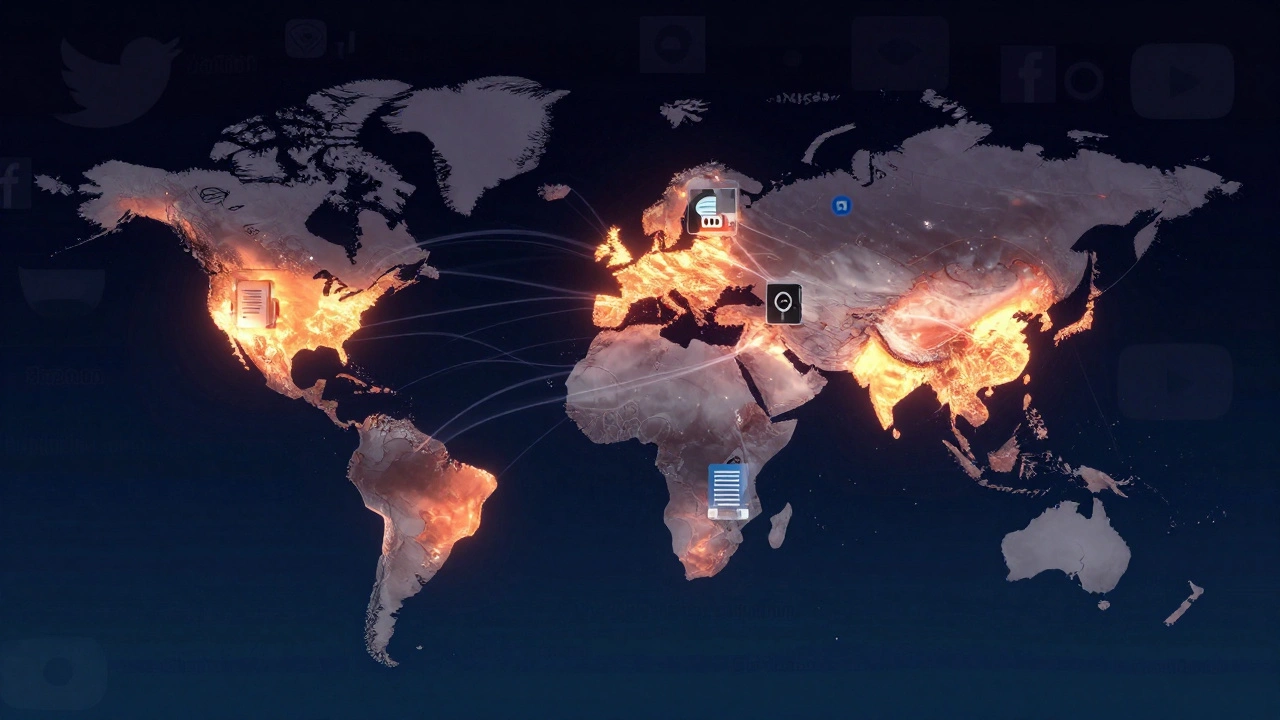
What’s Changing - and What’s at Risk
Telegram’s growth hasn’t been without tension. In October 2025, they launched “Fact-Checking Bridges,” letting independent fact-checkers attach notes to posts without deleting them. It’s a small step toward accountability. In 2026, they plan to show “Source Transparency Layers” - revealing a channel’s history, past claims, and potential biases. But there’s a problem. In September 2025, Telegram partnered with Binance. Leaked internal documents show crypto-related channels now get 23% higher visibility in search results. Suddenly, channels pushing crypto scams are trending. Channels criticizing Binance get buried. Skeptical users are noticing. Some are leaving. Others are adapting. They’re creating their own anti-promotion lists. They’re avoiding channels with sudden spikes in followers. They’re trusting less, verifying more. The real threat isn’t misinformation. It’s influence. If Telegram starts prioritizing paid partners over public interest, it becomes just another platform. And skeptical audiences? They’ll leave again.Why It Still Works - For Now
Telegram isn’t the future of news. It’s the present alternative. It’s the platform where a journalist in Ukraine can broadcast live from a bombed-out hospital. Where a whistleblower in Hong Kong can share encrypted files. Where a retiree in Germany can read raw data from the European Central Bank without a media filter. It works because it respects the user. No ads. No surveillance. No manipulation. Just information - raw, unfiltered, and unedited. The numbers don’t lie. Telegram hit 1 billion monthly active users in March 2025. Usage is growing at 5.3% year-over-year - while other platforms stall. Gartner predicts 2.5 billion users by 2027, with skeptical audiences driving nearly half that growth. But here’s the truth: Telegram doesn’t need to be perfect. It just needs to be better than the alternatives. And for now, it is.Latest Posts