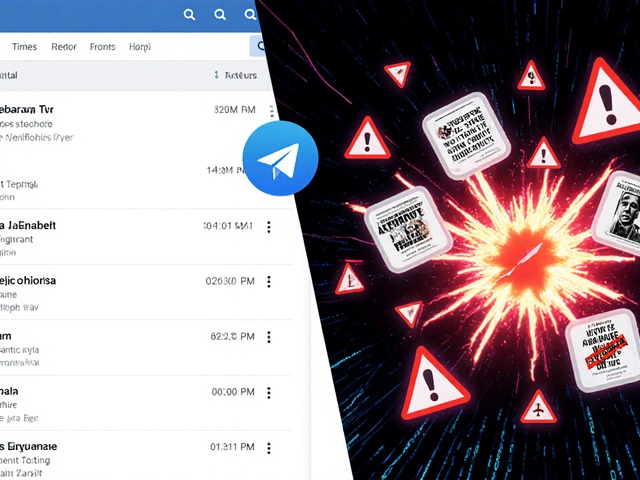
When you think about messaging apps, Telegram is a cloud-based instant messaging service that emphasizes security and large group channels. TG often comes to mind for its privacy features. But in 2026, we have to look past the encryption badges and admit a hard truth: the platform has become a primary highway for hate speech. Unlike other platforms where moderation teams try to curb toxicity before it spreads, Telegram’s hands-off policy allows harmful narratives to grow unchecked. This isn’t just about rude comments. We are talking about organized disinformation campaigns that move people to real-world violence.
The Architecture of Amplification
To understand why hate speech thrives here, you need to look at how the system works. Telegram allows unlimited subscribers per channel, and these channels can be easily shared across other networks. This design creates a viral loop. A single post can be copied into dozens of groups instantly. In contrast, platforms that restrict sharing or hide content from non-followers slow down this spread.
This technical advantage appeals to extremist groups. Research indicates that hard-edged organizations choose Telegram specifically because it offers mass recruitment capabilities. If a user gets banned on another site, they simply move their followers here where there are fewer barriers. The platform effectively acts as a safe harbor. While it does remove content that explicitly calls for violence, especially after pressure regarding events like January 6, this remains a reactive measure. There is no proactive scanning system comparable to major competitors.
Platform Comparison: Privacy vs. Protection
We often assume that privacy and safety work together, but sometimes they clash. To see the difference clearly, we need to compare Telegram against mainstream competitors. Below is a breakdown of how different companies handle reported abuse.
| Feature | Telegram | Meta (Facebook parent company) |
|---|---|---|
| Hate Speech Removal | Sporadic/Reactive | Automated & Human Review |
| Transparent Reporting | Limited/Low Visibility | Mostly Standardized |
| Appeals Process | Non-existent | Formal Available |
| Virality Limits | None | Downranking Algorithms |
| Legal Compliance | App Store Flags Only | Global Policy Enforcement |
Notice the distinction in accountability. Meta has evolved significantly since the Rohingya genocide. They now use counterspeech systems, warning labels, and integrated detection models. They invest in local moderators who understand regional languages and cultural context. Telegram’s approach suggests that compliance is a checkbox for app store approval rather than a core product value. They flag offensive posts on mobile apps to keep Google Play happy, yet those same posts remain fully visible via web browsers. That gap suggests a deliberate design choice: make it look safe to parents and regulators while keeping it open to activists and trolls.
From Screens to Streets: Real-World Harm
The danger isn’t abstract. Online hatred spills over into physical conflict. Academic analysis has tracked how conspiracy-themed channels react to global events. For instance, during the COVID-19 pandemic, channels spiked in volume when governments imposed restrictions, directing anger toward health officials or marginalized groups. But the stakes get much higher than angry comments.
Consider the Rohingya genocide or the Tigray War. In both cases, researchers found clear pathways between social media rhetoric and armed violence. When Telegram channels are left unmoderated, they function as coordination hubs. Militias can organize attacks using encrypted chats, then recruit supporters through public channels. Because there is no dedicated support inbox for abuse reports, victims or concerned citizens have no way to intervene until damage is done. It is not just about free speech; it is about preventing atrocity crimes.

Why Moderation Fails on Alternative Platforms
You might ask why Telegram doesn’t just copy Facebook’s rules. The answer lies in resources and philosophy. Maintaining a robust moderation team costs millions of dollars annually. You need linguists, psychologists, and crisis response staff. Companies like Meta have shifted budgets to meet Digital Services Act (EU regulation for large online platforms) thresholds. Telegram, often categorized as a fringe platform, avoids some of these obligations.
This regulatory arbitrage is key. The platform argues it is a neutral tool, like a library card catalog, refusing to police content. Yet, research shows they actively promote certain channels in high-risk regions to boost engagement. This contradiction highlights the gap between stated policy and operational reality. During the 2019 operation with Europol (European Union Agency for Law Enforcement Cooperation), they did delete thousands of terrorist accounts. But that action was exceptional, driven by intense reputational pressure. Routine behavior tells a different story.
Pathways to Meaningful Change
If the platform won’t fix itself, what can be done? We need a multi-layered approach involving technology, law, and community action.
- Moderation Capacity: Telegram must fund manual review teams in local languages. Automated AI fails in nuanced contexts without human oversight. They need lexicons specific to hate speech slang used by far-right and far-left groups alike.
- Crisis Protocols: The platform needs "break-the-glass" tools. When a region enters a civil conflict, algorithms should stop recommending political groups or capping virality for sensitive keywords. Currently, they lack these switches entirely.
- Regulatory Cooperation: Since voluntary standards fail, co-regulation is necessary. Law enforcement bodies can demand access to public metadata without compromising private encryption. The EU’s DSA provides a blueprint for how to hold platforms accountable for systemic risks.
- Third-Party Audits: Independent researchers should have read-only access to internal data logs. Transparency requires verification. Without external checks, self-reported statistics on removal rates are meaningless.
These changes require money and will. Given the massive revenue stream of the advertising ecosystem surrounding news distribution, funding this level of safety infrastructure is technically feasible. The barrier is purely political and philosophical.

Actionable Steps for Community Leaders
If you manage a community channel, you have some power. You cannot stop the algorithm, but you can control your environment.
- Set your channel to invite-only. This slows down recruitment by bots.
- Use keyword filters that auto-delete slurs or violent threats.
- Partner with fact-checking organizations to pin accurate information during crises.
- Report violations directly to official channels, even if the process feels broken.
- Document extreme content and archive evidence for researchers or legal action.
Frequently Asked Questions
Does Telegram actually moderate content?
Telegram claims to have a moderation team, but independent analysis shows they act primarily on requests from law enforcement or app stores. They do not have systematic, proactive removal systems for hate speech like Facebook does.
Can I report a hate speech channel?
There is no formal support email for abuse reports. Users must use the in-app reporting button, which often lacks transparency regarding outcomes. Third-party reporting mechanisms exist via NGOs like the Anti-Defamation League.
Is encryption responsible for the rise in hate speech?
End-to-end encryption protects private chats, making monitoring impossible legally. However, public channels are not encrypted. The issue is the lack of moderation tools on public spaces, not the security of private messages.
What laws apply to Telegram in 2026?
The Digital Services Act (DSA) applies to very large online platforms. While Telegram pushes boundaries to avoid classification, regulators in the US and EU are tightening definitions to encompass messaging apps with public broadcast functions.
How effective is community-driven moderation?
It helps contain small outbreaks but fails against coordinated state-level propaganda. Local volunteers lack the authority to ban cross-channel campaigns or address infrastructure vulnerabilities.