When someone joins your Telegram news channel, they’re not just hitting "Join." They’re making a decision-whether this channel is worth their time. Most will leave within 24 hours if the first message feels cold, confusing, or cluttered. But a well-designed onboarding experience? That turns a new subscriber into a regular reader, maybe even a discussion starter. It’s not about sending a welcome bot message and hoping for the best. It’s about building trust before they even read their first headline.
Start with a clear, human introduction
Your first message isn’t a rulebook. It’s a handshake. New subscribers don’t care about your channel’s mission statement written in corporate jargon. They care about one thing: "What’s in it for me?" So lead with value. Say something like: "Hey, thanks for joining. This channel delivers daily updates on AI startups in the U.S. - no fluff, no ads, just verified sources. If you’re into early-stage tech, you’ll find something useful here every day. Want to know how we verify our sources? Check the pinned post."
Keep it short-around 60 words max. Put the most important part in the first 40. Use a personal tone. If you’re the admin, drop your name. Add a photo of yourself in your profile. People trust faces, not logos. A real person behind the channel makes all the difference.
Pin what matters most
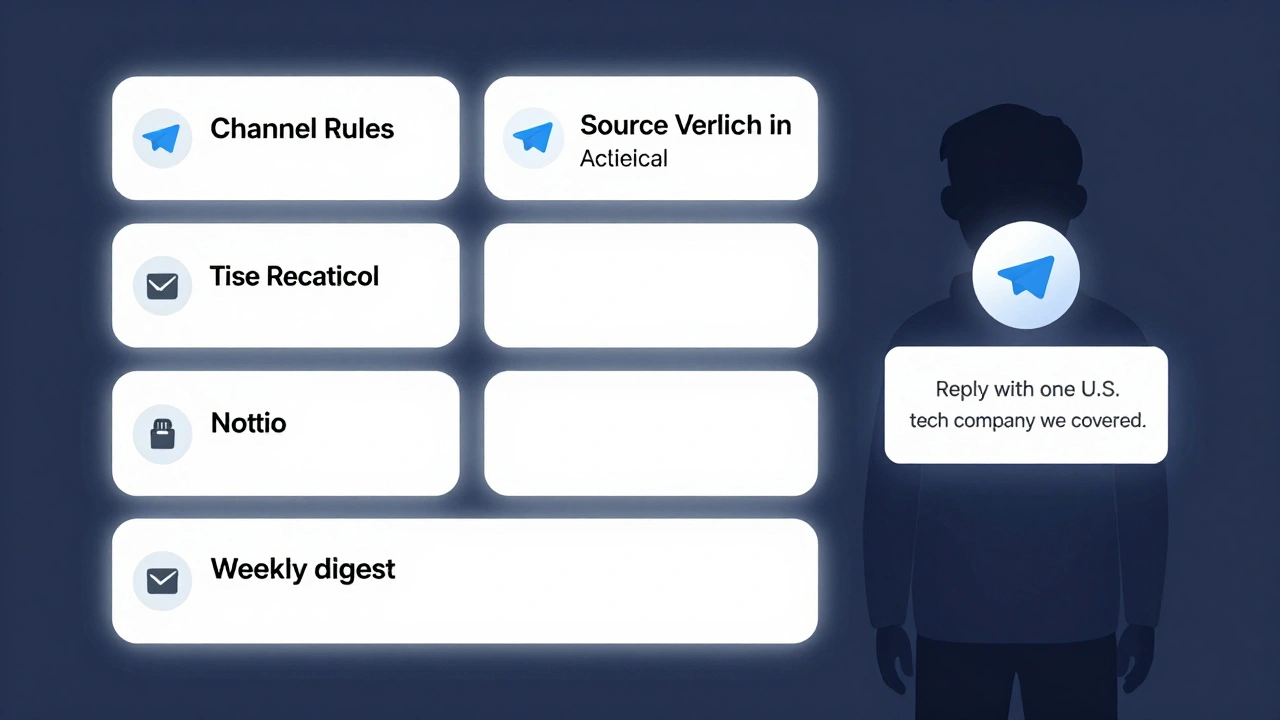
Telegram lets you pin up to five messages. Use them wisely. Don’t pin your welcome message again. Pin the essentials:
- Channel rules (no spam, no scams, no off-topic links)
- How we source our news (e.g., "We only use Reuters, Bloomberg, and verified journalists")
- How to report misinformation
- A link to your weekly summary digest
- How to turn on notifications (many miss this)
These aren’t just rules-they’re proof you care about quality. When someone asks, "Where do you get your news?" you don’t reply. You point them to the pin. That’s how you scale trust without burning out.
Use a bot to automate the basics
Manually replying to "How do I turn on notifications?" 50 times a day? That’s not management. That’s a time sink. Use a Telegram bot. Free options like Telegram BotFather is a tool provided by Telegram to create and manage bots let you set up automated welcome messages. But don’t stop there.
Set up a simple verification step. When someone joins, the bot sends: "Welcome! To confirm you’re here for news, reply with the name of one U.S. tech company we covered last week." That filters out bots and spam accounts. It also gives new subscribers their first tiny win-they just proved they paid attention. That’s engagement.
Some bots cost $5/month. But even the free ones can handle greetings, FAQs, and rules. You don’t need fancy AI. You need consistency.
Restrict new members for 24-48 hours
Here’s a trick most channels miss: don’t let new subscribers post right away. Telegram lets you set a "restricted" period. During that time, they can read everything but can’t send messages or media.
Why? Because new members often flood channels with "thanks!" or "cool!" or worse-spam links. Restricting them for a day forces them to observe. They’ll notice how people talk, what topics get attention, and how you respond to questions. Then, when they’re allowed to post, they’ll do it better. They’ll ask smart questions. They’ll join the conversation. Not just shout.
This isn’t about control. It’s about quality. Your channel becomes a place where real discussion happens-not a noisy chatroom.
Make security part of the welcome
Telegram is full of fake news, phishing links, and crypto scams. If your channel talks about finance, tech, or politics, you’re a target. Don’t wait for someone to get scammed before acting.
Include a quick security tip in your welcome message: "Always check links before clicking. If a message says ‘Click here to see the full report,’ don’t. Go to our pinned link instead. We never send direct links in DMs."
Even better-add a short video (under 30 seconds) showing how to spot a fake news post. Show the red flags: mismatched logos, urgent language, misspellings. This isn’t just helpful. It makes your channel look like the real deal.
Engage them in the first 48 hours
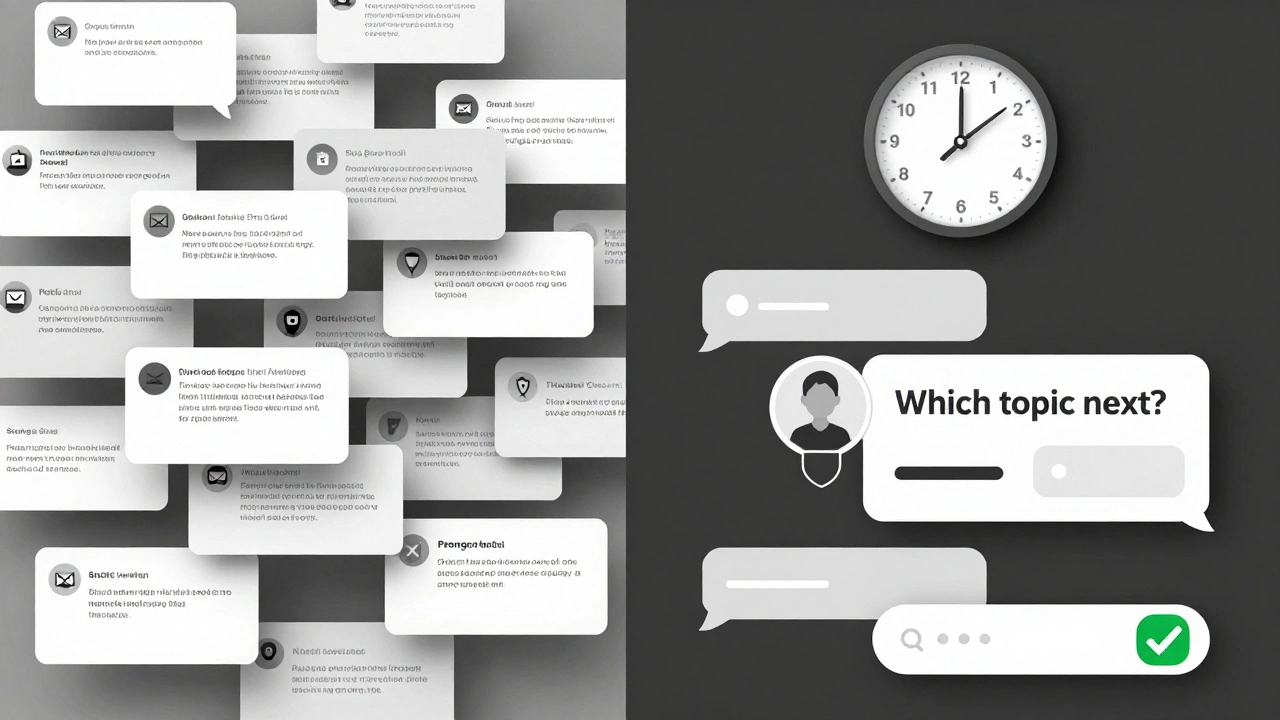
Don’t wait a week to say hello. Reach out within two days. Send a simple poll: "Which topic should we cover next? A) AI regulations B) Startup funding C) Quantum computing breakthroughs."
Or ask: "What’s one news story you wish we covered?" Reply to the top three answers with a quick update. People love feeling heard. And when they see their suggestion turned into a post? They’ll tell others.
Don’t overdo it. One message, one poll, one personal reply. That’s enough. Too many messages feel pushy. One thoughtful one feels personal.
Teach, don’t just tell
Instead of saying "We verify our sources," show how. Post a 60-second screen recording: "Here’s how we check if this headline is real." Walk them through checking the original article, looking at the author’s history, cross-referencing with another outlet. This isn’t a tutorial-it’s proof you’re trustworthy.
People remember how you make them feel. If they feel smarter after reading your channel, they’ll stay.
Keep the momentum
Onboarding doesn’t end after the first day. The real test is week two. Do they still open your messages? Do they still read the pinned posts? If not, something’s off.
Keep sharing value: weekly roundups, AMA threads with journalists, breakdowns of trending stories. Mention when you add a new feature: "We just added daily summaries. Turn them on in settings."
And always, always reply to comments. Even if it’s just "Good point." That’s the glue that holds the community together.
Track what works
You don’t need fancy software. Just check Telegram’s built-in stats. Look at:
- How many people opened your welcome message?
- How many clicked the pinned links?
- What’s your daily message reach vs. growth rate?
If 80% of new members open the welcome message but only 20% click the pinned rules? Change the message. Make the link clearer. Test different wording. Try adding an emoji. Small tweaks make big differences.
Don’t guess. Watch. Adjust. Repeat.
It’s not about volume. It’s about connection.
Telegram news channels with 10,000 subscribers but low engagement are just digital billboards. The ones with 2,000 active readers? They’re communities. They’re trusted. They grow because people feel like they belong.
Good onboarding doesn’t trick people into staying. It gives them a reason to. Clarity. Trust. Value. Safety. And a little bit of humanity.
Start with that, and your channel won’t just grow. It’ll matter.
What’s the most important part of Telegram news onboarding?
The most important part is clarity. New subscribers need to know instantly: What is this channel for? What can they expect? What should they do next? A clear, concise welcome message that answers these three questions in under 60 words sets the tone for everything that follows.
Should I let new members post right away?
No, not at first. Restrict new members for 24-48 hours. This prevents spam, lets them observe the community tone, and encourages thoughtful participation later. Most successful news channels use this method to maintain quality discussions.
Do I need a bot for onboarding?
You don’t absolutely need one, but it helps a lot. A bot can send automated welcome messages, verify new members with simple questions, and share pinned resources. Free bots like BotFather can handle this without cost. Paid bots ($5/month) add features like analytics and custom rules.
How do I make my news channel feel trustworthy?
Show your process. Share how you verify sources. Post short videos or screenshots of your research. Mention real outlets like Reuters or Bloomberg. Include a security tip about spotting scams. Trust isn’t claimed-it’s demonstrated through consistent, transparent behavior.
What metrics should I track for onboarding success?
Track message opens, pinned link clicks, and the ratio of new subscribers who stay after 7 days. If more than 40% of new members click your pinned rules or resources, you’re doing well. If fewer than 10% stay after a week, revisit your welcome message and restrictions.
Can I use images or videos in onboarding messages?
Yes-strongly recommended. A 15-30 second video showing how you verify a news story performs 3x better than text alone. Screenshots of sources, infographics on how to spot fake links, or even a short selfie from the admin saying "Hi, I’m the one behind this channel" all increase trust and engagement.