The Shift From Traditional News to Messaging Apps
For families separated by borders, wars, or migration waves, knowing what is happening back home is often a matter of survival rather than mere curiosity. In recent years, there has been a massive shift away from state-controlled television or mainstream international outlets toward private messaging platforms. This change isn’t just about convenience; it represents a fundamental restructuring of how information travels across geopolitical boundaries. People living in host countries often find local language barriers too high for official government briefings, leaving a vacuum that only peer networks can fill.
Why Telegram Became the Default Tool
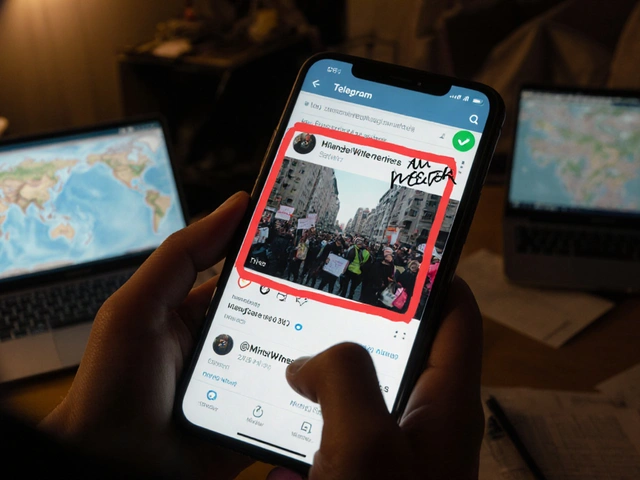
When we look at the specific utility of Telegram, a cloud-based mobile and desktop messaging software application developed by Telegram FZ-LLC, we see features designed for scale and speed. Unlike platforms reliant on algorithmic feeds that hide content based on engagement metrics, Telegram allows for direct broadcasting. A user subscribing to a channel gets updates instantly without an intermediary deciding what is worth seeing. For displaced populations, missing a notification about a curfew or a transport route can have dire consequences.
The architecture of the platform supports two main modes of communication. First, there are broadcast channels where one source sends information to unlimited subscribers. Second, there are group chats allowing multi-directional discussion. This dual structure is critical. It separates verified announcements from community chatter, yet keeps them linked in the same ecosystem. For diaspora members, this means they can get authoritative updates while also participating in discussions about how those updates affect their daily lives.
The Human Element Behind the Data
To understand the impact, we need to look beyond the technology to the people using it. Consider the experiences of individuals fleeing conflict zones who settled elsewhere. Research from 2024 documents stories of people who described their phones as links to their abandoned homes. One documented case involves a mother who relied on specific channels to track fighting near her family’s location. This isn’t passive reading; it is active monitoring that dictates movement plans and emotional well-being.
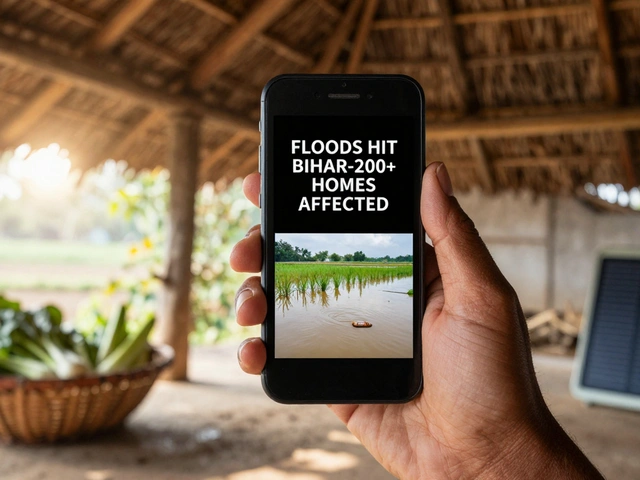
This usage pattern highlights a crucial insight: homeland news is often consumed through these apps as part of a survival strategy. When traditional media fails to provide granular details about local conditions, these communities build their own media infrastructure. They rely on volunteers who live closer to the danger zones to report ground realities that satellites cannot capture. The trust level in these personal reports often exceeds that of professional journalists because the messengers share the same risks.

Beyond Information: Coordination and Support
The utility of the platform extends far beyond news consumption. Once established, these networks become vital support systems for adaptation. Migrants arriving in new countries face immediate hurdles regarding housing, employment, and legal status. Dedicated channels exist for each of these categories, often managed by experienced members of the diaspora who have already navigated the bureaucracy.
This creates a distributed knowledge base. Instead of calling a non-responsive government hotline, someone checking a specific group chat might find a solution shared by a neighbor five minutes ago. We are seeing twenty distinct topic categories emerge in some communities, ranging from legal aid to job listings. These aren’t just forums; they function as mutual aid societies digitized for maximum efficiency. Cultural preservation also plays a role here, with language maintenance being a key benefit for children growing up abroad.
| Source Type | Speed | Reliability | Cost | Privacy |
|---|---|---|---|---|
| Telegram Channels | Instant | High (Peer Verified) | Free | Encryption Available |
| Local TV News | Scheduled | Moderate | Free/Air | Low (Public Broadcast) |
| International Outlets | Delayed | Moderate (Editorial Filter) | Subscription | Standard Web |
Technical Resilience and Security Concerns
Security is not just about keeping conversations private; it is about physical safety. During periods of active conflict, internet infrastructure in home regions may degrade or fail. The protocol design of the messaging app provides continued functionality even under network degradation conditions that would disable standard websites. This technical resilience ensures that lifelines remain open when others are cut off.
However, security concerns extend to host countries as well. Some diaspora members fear surveillance from homeland governments extending into foreign soil. Others worry about authorities in their current country monitoring political activity. Encryption features address the former, while decentralized channel architecture mitigates the latter by distributing power among users rather than a central server administrator. Despite this, users must remain vigilant. Bad actors do join these channels, spreading disinformation to cause panic or confusion.
Active Mobilization and Political Influence
The role of these digital communities goes beyond passive observation. We are witnessing organized mobilization efforts facilitated directly through these networks. Coordinated actions, such as digital defense initiatives or fundraising campaigns, are organized and executed within these spaces. Groups have successfully raised millions for humanitarian relief by leveraging the trust built in these private channels.
This dynamic changes the relationship between a diaspora and its home nation. Rather than simply voting on policies from abroad, communities can exert direct pressure or offer material aid instantly. This shifts the center of gravity in crisis management, allowing expatriate populations to function as an extension of their national support system without waiting for diplomatic channels to activate.
Navigating the Future Landscape
Looking ahead, the dependency on this infrastructure is likely to increase rather than decrease. As displacement becomes a more permanent feature of global demographics, these digital habits solidify into essential utilities. We anticipate tighter integrations with crowdfunding tools and professional services, making the platform a gateway for economic reintegration. While regulatory environments vary by region, the grassroots nature of these networks makes them hard to suppress completely.
Ultimately, this trend signifies a maturing of how we think about community ownership of information. When the stakes are highest, algorithms fall aside, and human curation takes precedence. Whether managing the trauma of loss or the logistics of relocation, the connectivity provided by this tool serves as the glue holding fragmented populations together.
Is Telegram safer than other social media apps for privacy?
Telegram offers optional end-to-end encryption for private calls and secret chats, which is generally superior to standard metadata collection found on platforms like Facebook. However, public channels are not encrypted, so users must verify which settings apply to their specific conversations.
How do users verify news accuracy in chaotic situations?
Accuracy relies heavily on cross-referencing multiple trusted sources within the network. Experienced administrators often vet incoming reports before broadcasting them to large audiences, creating a filter against obvious misinformation despite the open nature of the platform.
Can these communities organize offline activities effectively?
Yes, the coordination capabilities extend to physical meetups, aid distribution points, and volunteer drives. The immediacy of messaging allows for rapid assembly of resources when emergencies arise in the host country.
What happens if the platform is restricted in certain regions?
Many users utilize proxy servers or bridge connections to bypass restrictions. The technical design prioritizes accessibility under limited bandwidth, ensuring functionality remains robust even when internet speeds drop significantly.
Are there costs associated with setting up these channels?
Setting up and maintaining basic channels and groups is free. Costs usually involve bandwidth for the sender, though some administrative tools or third-party verification services may require paid subscriptions depending on scale.
Latest Posts