Telegram isn't just a messaging app anymore. It's become one of the most powerful platforms for news distribution, especially where trust and speed matter. But here’s the catch: building a contributor network in a Telegram news community isn’t automatic. You can’t just create a channel, post headlines, and expect people to show up. Real networks grow when people feel like they’re part of something - not just viewers, but makers.
Start with the right foundation
Before you ask anyone to contribute, you need to build a space worth contributing to. A Telegram news channel with 500 members that feels like a ghost town won’t attract talent. But one with 200 active members who regularly share tips, links, and firsthand reports? That’s magnetic.Start by defining your niche. Don’t say “news.” Say “local weather alerts in Western North Carolina” or “updates on Asheville city council decisions.” Specificity attracts the right people. When someone sees your channel is focused on something they care about, they’re more likely to jump in.
Use clear rules from day one. No spam. No unverified rumors. No clickbait. Post those rules in your channel description and pin them. People respect structure. It tells them this isn’t chaos - it’s a community with standards.
Make contributing easy - and rewarding
Most people want to help. They just don’t know how. Don’t wait for them to magically figure it out. Give them clear ways to participate.- Ask for tips: “Saw something odd near Biltmore Avenue? DM us.”
- Use polls: “Which local issue should we cover next?”
- Set up a simple form: Google Forms or Typeform linked in your bio. Let people submit photos, links, or short reports.
- Tag contributors: “Thanks to @james_local for this tip on the power outage.” Recognition goes a long way.
Don’t underestimate the power of small rewards. A shoutout. A mention. A “Top Contributor” badge in your group description. These aren’t fancy, but they build loyalty. People who feel seen stick around.
Turn members into co-owners
The biggest mistake? Treating your community like a broadcast tower. If you’re the only one posting, you’re burning out - and your community will die with you.Give trusted members moderation powers. Let them approve posts. Let them answer questions. Let them invite others. When someone has real responsibility, they stop being a subscriber. They become a steward.
Start small. Pick three active members. Invite them to a private Telegram group just for contributors. Talk about what’s working. Ask what’s missing. Let them shape the channel. You’ll be surprised how much they care when you give them a seat at the table.

Use Telegram’s tools - not just the basics
Telegram has features most people ignore. Use them.- Join links: Create a unique invite link for your channel. Put it everywhere - your website, your Twitter bio, even in your email signature. Track which links bring in the most people.
- Direct messaging: When someone sends a useful tip, reply personally. “Thanks for this. Want to help us verify more reports?” That simple message can turn a one-time contributor into a regular.
- Suggested posts: Use Telegram’s new suggested posts feature to highlight top contributors or partner channels. It’s free exposure for them - and credibility for you.
- Checklists: Create a checklist for new contributors: “Step 1: Read rules. Step 2: Send one tip. Step 3: Join the contributor group.” Make it easy to follow.
These aren’t gimmicks. They’re tools that reduce friction. The easier it is to contribute, the more people will.
Grow through collaboration, not just promotion
You don’t need to grow alone. Find other Telegram channels that cover related topics - local government, public safety, community events. Reach out. Propose a partnership.“Hey, your channel covers downtown events. We cover city council decisions. Let’s cross-promote once a week. You share one of our posts. We share one of yours.”
It’s a win-win. You both get new members. You both build credibility. And you create a network, not just a channel.
Some channels even host joint live Q&As. A city planner joins your channel. A local journalist joins theirs. You co-host. People show up. They stay. And now you’ve built a mini-event - without leaving Telegram.
Track what works - and drop what doesn’t
You can’t improve what you don’t measure. Use Telegram’s built-in analytics. Look at:- Which posts get the most replies?
- Who sends the most useful tips?
- What time of day do people engage most?
Don’t just guess. Look. If your 8 a.m. posts get 5x more engagement than your 6 p.m. ones, schedule accordingly. If three people keep sending the same type of tip - say, road closures - make them a regular source. Name them. Feature them.
And if something isn’t working? Stop doing it. No one needs another “weekly roundup” that no one reads. Cut the fluff. Double down on what moves the needle.
Monetization isn’t the goal - sustainability is
Some people think you need to make money to keep a community alive. That’s backwards. You don’t need ads or subscriptions to build a strong network. You need trust.That said, if you hit 100+ active contributors, Telegram’s monetization tools can help. You can use suggested posts to promote partner channels. You can use checklists to organize volunteer teams. You can even set up a small donation link for members who want to support the effort.
But don’t chase money. Chase impact. If your channel helps someone avoid a flooded street, or find a missing pet, or understand a confusing city vote - that’s value. That’s what keeps people coming back.
Real examples from real communities
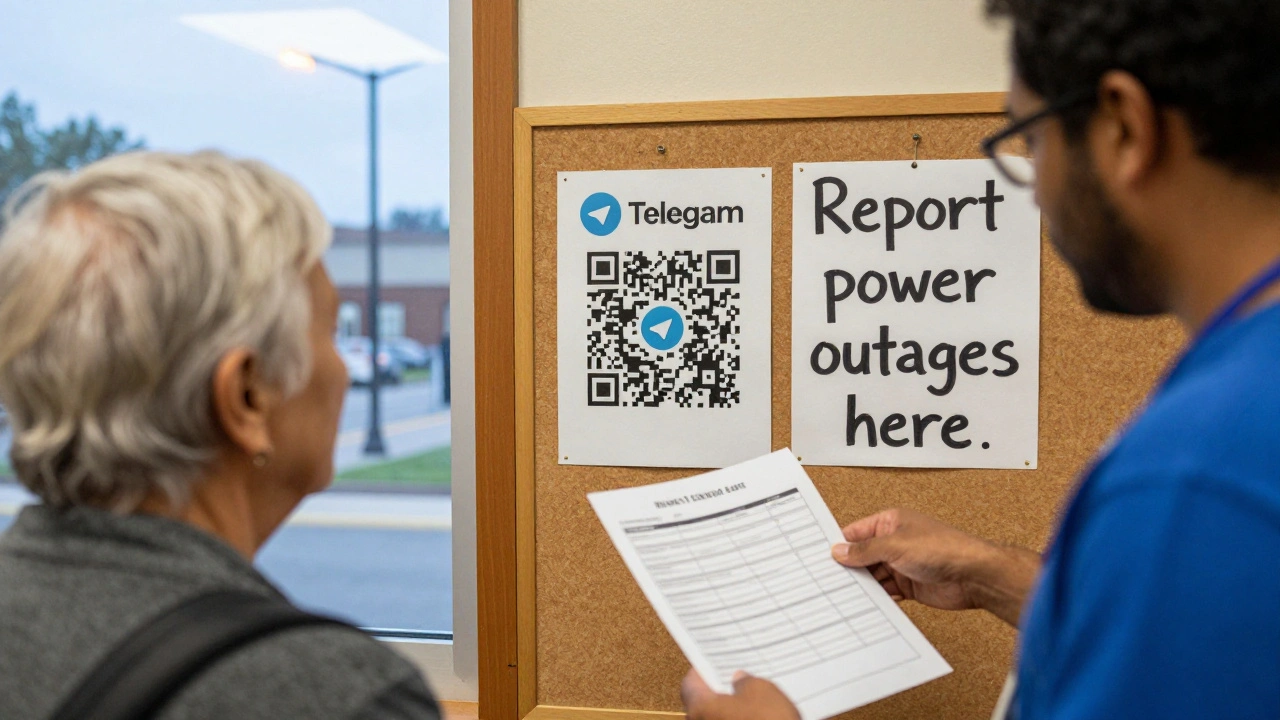
There’s a Telegram channel in Asheville called “Asheville Local Alerts.” It started with one person posting weather updates. Now, it has 3,200 members. 47 of them are active contributors. They report power outages. They share school closures. They verify rumors before they spread.How? They made it simple. They gave people roles. They thanked them publicly. They didn’t overmanage. They let the community lead.
Another one in North Carolina - “NC Rural News” - got 12,000 members in six months. They didn’t run ads. They partnered with local libraries, county websites, and church bulletins. They asked members to share the channel with neighbors. And they made sure every contribution got acknowledged.
These aren’t magic. They’re method.
What to avoid
Don’t:- Post too much. One solid update a day beats ten rushed ones.
- Ignore messages. If someone sends a tip and you don’t reply, they’ll stop.
- Buy followers. Fake members don’t contribute. They just clutter the space.
- Change rules often. People need consistency.
- Wait for perfection. Start with 5 contributors. Grow from there.
Don’t overthink it. Just start. Ask one person to help. Then ask another. Keep showing up. Keep listening. Keep saying thanks.
How many members do I need before I can start building a contributor network?
You don’t need a big audience to start. Even with 50 active members, you can find 3-5 people willing to help. Focus on quality, not quantity. One dedicated contributor is worth 100 passive followers.
Can I use Telegram for breaking news without being a journalist?
Yes - and many people do. Telegram is often faster than traditional news outlets. But accuracy matters. Always verify before sharing. Ask contributors for sources. Cross-check with official channels. Build a reputation for being reliable, not just fast.
What’s the best way to recruit contributors?
Look for people who already engage. Reply to their comments. Thank them. Then privately ask: “Would you be open to helping us verify reports?” Most people say yes if you ask respectfully. You can also partner with local organizations - libraries, schools, neighborhood associations - and ask if they know anyone who’d be interested.
How do I keep contributors from leaving?
Keep them feeling valued. Say thank you. Publicly credit them. Ask for their input on channel changes. Let them suggest topics. Give them small roles - like approving tips or moderating chats. People stay when they feel needed, not just used.
Should I allow anonymous contributions?
It depends. For sensitive topics - like reporting corruption or safety issues - anonymity can protect people. But for general news, encourage named contributions. It builds trust. If someone insists on anonymity, verify their info through another source before sharing.