Running a news channel on Telegram is a messaging platform that has evolved into a major distribution hub for journalism and real-time news updates globally feels different from posting on Twitter or Facebook. You don't get the same built-in demographic data. You can't just click a button and filter your audience by "women aged 25-34 who like politics." Instead, you have to work harder. You have to look at what people actually do with your content.
This is where audience segmentation comes in. It’s not about guessing who your readers are; it’s about tracking their behavior and interests to deliver the right story at the right time. If you’re sending market analysis to someone who only cares about local community events, you’ll lose them. Segmentation stops that churn. It turns a noisy broadcast channel into a targeted conversation.
The Core Problem: Why Generic Broadcasting Fails
Most news channels treat their subscribers as one big block. They post a headline, wait for views, and move on. But research into top-performing Telegram news channels shows this approach is outdated. Successful channels use specific strategies to manage diverse audiences. They don’t just publish; they curate based on user signals.
When you ignore segmentation, you face two risks. First, engagement drops because irrelevant content clutters the feed. Second, you miss opportunities to deepen loyalty. A reader who clicks every link about tech policy but ignores sports news isn’t a "general" reader. They are a niche segment waiting to be served better. By failing to distinguish between these behaviors, you waste potential growth.
Behavioral Segmentation: Tracking What Users Do
Behavior is the most reliable indicator of interest on Telegram. Since the platform prioritizes privacy, explicit demographic data is scarce. However, implicit data-what users click, forward, save, and reply to-is abundant. Behavioral segmentation groups users based on these actions.
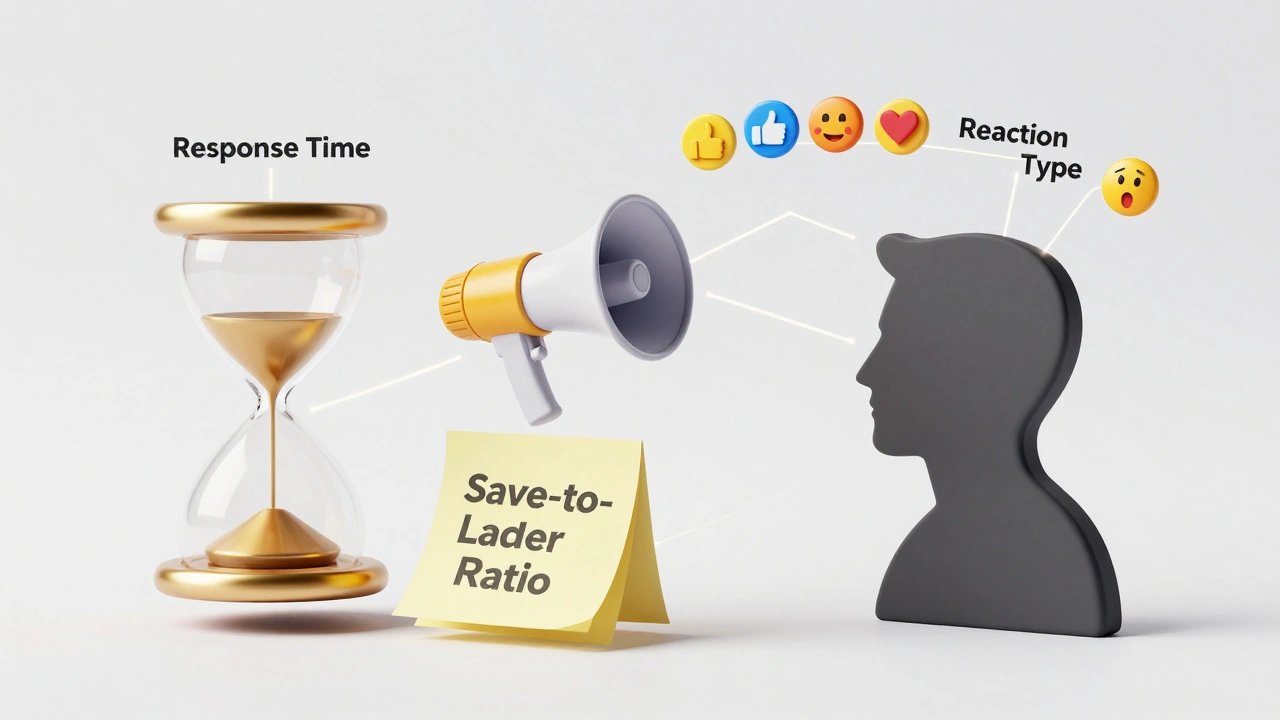
| Metric | What It Reveals | Actionable Insight |
|---|---|---|
| Click-Through Rate (CTR) | Interest level in specific topics | Send more content similar to high-CTR links |
| Save-to-Later Ratio | Value perception and reference intent | Create evergreen content that users want to keep |
| Forward Frequency | Advocacy and social sharing intent | Highlight shareable quotes or visual summaries |
| Response Time | Urgency and active reading habits | Schedule breaking news during peak response windows |
| Reaction Type | Emotional sentiment (agreement, shock, humor) | Tone-match future posts to dominant reactions |
For example, if a significant portion of your audience saves articles about economic forecasts but rarely forwards them, they are likely professionals using your channel as a research tool. In contrast, users who frequently forward short, punchy political commentary are acting as amplifiers. These two groups require different content formats. One needs depth and data; the other needs brevity and impact.
Topic Preference Analysis: Mapping Content to Interests
Topic preference is the cornerstone of effective segmentation. Not all news is equal to all readers. Academic studies of leading Telegram news channels, such as those analyzing the Russian media landscape in 2023, identified that successful outlets use distinct topic clusters to retain specific segments.
To implement this, you need to tag your content internally. Even if Telegram doesn’t show tags to users, your CRM or analytics tool should. Track which categories drive the highest engagement:
- Market Analysis: Often drives saves and deep reads. Targeted at investors and analysts.
- Technical Updates: Generates clicks and replies. Targeted at developers and tech enthusiasts.
- Community Events: Produces reactions and participation. Targeted at local residents or niche hobbyists.
- Educational Content: Receives saves and discussion threads. Targeted at learners and students.
- Project Announcements: Drives forwards and link clicks. Targeted at early adopters and influencers.
By monitoring these patterns, you can identify micro-segments. Maybe 15% of your audience only engages with AI-related news. You can then create a dedicated bot message or a secondary channel specifically for this group, reducing noise for the rest of your audience while increasing relevance for the AI-interested segment.
Geographic and Temporal Segmentation
Time zones matter. A news update posted at 8 AM EST might reach your US audience perfectly but hit your European readers at 2 PM, when they are already past their morning news cycle. Geographic segmentation allows you to schedule messages based on location data.
While Telegram doesn’t provide granular GPS data, you can infer location through language and activity patterns. For instance, Spanish-language channels typically serve audiences in Spain and Latin America, while Hindi-speaking channels indicate a strong Indian presence. Successful international channels avoid a one-size-fits-all approach. They translate key stories and adjust posting times to match local peaks.
Consider a global tech news channel. It might post a major product launch announcement three times: once for the US, once for Europe, and once for Asia-Pacific. Each post includes localized context-such as regional pricing or availability dates-making the content feel personal rather than generic.
Dynamic Segmentation: Keeping Data Fresh
Audience interests change. A user who was interested in cryptocurrency in 2024 might shift to renewable energy news in 2026. Static segmentation models become obsolete quickly. Dynamic segmentation updates user groups continuously based on recent behavior.
Here’s how dynamic segmentation works in practice:
- Daily Updates: Track immediate interaction trends. If a user suddenly starts clicking on health news, move them to the "Health Interested" segment.
- Weekly Reviews: Assess engagement metrics. Identify users who haven’t opened messages in seven days and trigger a re-engagement campaign.
- Monthly Demographics: Update profile-based data. New members join, and existing members may update their public bios.
Tools like CRMchat or Zapier integrations can automate this process. When a user clicks a link tagged "Politics," the system automatically adds them to the Politics segment. If they stop engaging with politics after a month, the system deprioritizes those tags. This ensures your outreach remains relevant and prevents audience fatigue.

Qualitative Insights: Beyond the Numbers
Quantitative metrics tell you what happened; qualitative insights tell you why. Reading the comments and replies in your Telegram channel provides rich context. Are users debating a specific point? Are they asking follow-up questions? Are they using emojis to express sarcasm?
Interaction style determination helps here. Some users prefer short, direct responses. Others write detailed paragraphs. Some use voice messages. By categorizing these styles, you can tailor your communication. For example, if a segment frequently uses voice messages, consider adding audio summaries to your posts. If another segment prefers quick text, keep your captions concise.
Combining numerical data with qualitative assessment creates sophisticated segments. A user who clicks often but never replies might be a passive consumer. A user who replies frequently but rarely clicks links might be a commentator. Both are valuable, but they contribute differently to your channel’s ecosystem.
Implementation Strategy for News Channels
Implementing segmentation requires a shift in workflow. You can’t just write and post. You need to plan for multiple segments simultaneously.
Start with a simple framework. Identify three core segments based on your current data. For a general news channel, these might be "Local Focus," "Global Affairs," and "Tech & Business." Create separate content streams for each. Use Telegram’s broadcast features or third-party tools to send targeted messages.
Monitor performance closely. Track open rates, click-throughs, and retention for each segment. Adjust your content mix based on results. If the "Tech & Business" segment shows declining engagement, test new formats or topics. If the "Local Focus" segment grows rapidly, allocate more resources to local reporting.
Remember, consistency is key. Segmentation isn’t a one-time project. It’s an ongoing process of listening, adapting, and refining. The most successful Telegram news channels, like Mash or Meduza, didn’t achieve dominance by accident. They built systems to understand and serve their audiences precisely.
Can I segment my Telegram audience without paid tools?
Yes, basic segmentation is possible manually. Use Telegram’s native analytics to track view counts and reaction types. Create separate channels for different topics and let users self-select by joining the ones they prefer. However, manual methods lack precision and scalability compared to automated CRM solutions.
How often should I update my audience segments?
Ideally, engagement-based segments should be updated weekly. Daily updates are best for fast-moving news cycles, while monthly reviews suffice for broader demographic shifts. Regular updates ensure your content remains relevant to changing user interests.
What is the best way to handle multilingual audiences?
Use language as a primary segmentation criterion. Create distinct channels or bots for each language group. Translate key headlines and localize content where possible. This respects cultural nuances and improves engagement rates significantly compared to mixed-language posts.
Does Telegram support custom audience tagging natively?
No, Telegram does not offer native custom tagging for individual users within a single channel. You must rely on third-party CRM platforms, bots, or multi-channel strategies to implement advanced segmentation and personalized messaging.
How does behavioral segmentation improve retention?
By delivering content that matches user interests, you reduce noise and increase perceived value. Users are less likely to mute or leave a channel if they consistently receive relevant information. Personalized timing and topic alignment directly correlate with higher long-term retention rates.