Most channel owners look at their subscriber count and feel a rush of dopamine, but that number is mostly a vanity metric. It tells you how many people hit "Join," but it doesn't tell you if they're actually reading your posts or if your content strategy is failing. To move from guessing to knowing, you need to stop looking at totals and start interpreting patterns. Turning raw data into Telegram analytics insights is the only way to stop wasting time on content that your audience ignores.
The Reality Check: Vanity Metrics vs. Actionable Data
Before you open your dashboard, you have to distinguish between numbers that make you feel good and numbers that help you grow. A high subscriber count is nice, but it's a lagging indicator. If you have 50,000 subscribers but only 2,000 views per post, your channel is essentially a ghost town.
The real gold is in the Growth Rate. This tells you the pace of acquisition. If a specific series of posts triggers a spike in the growth rate, you've found a content pillar that works. Similarly, look at the Engagement Rate-the ratio of shares and comments to views. A post with 1,000 views and 100 shares is infinitely more valuable for editorial planning than a post with 5,000 views and zero shares. The former is viral; the latter is just noise.
Decoding Content Performance with Granular Metrics
To refine your editorial calendar, you need to go deeper than "total views." Tools like Popsters allow you to slice data by content type and text length. This is where you find the "sweet spot" for your specific audience.
Ask yourself: Do my readers prefer 200-word punchy updates or 1,200-word deep dives? If the data shows that your View Rate (VR) peaks for mid-length posts with an embedded image, stop writing novels and start condensing. You can also track temporal patterns-identifying exactly when your audience is most active. If your peaks hit at 8:00 AM and 9:00 PM, scheduling a high-value editorial piece at 3:00 PM is essentially throwing it away.
| Editorial Goal | Key Metric | Recommended Tool | Why It Works |
|---|---|---|---|
| Viral Growth | Sharing Frequency | TGStat | Strong global database and ranking indices. |
| Community Loyalty | Comment Depth | MetaCRM | Deep insights into moderator and user interaction. |
| Brand Sentiment | Mention Tone | Brand24 | AI-driven sentiment analysis of mentions. |
| Format Optimization | VR by Text Length | Popsters | Granular breakdown of post attributes. |
Competitive Benchmarking and Market Positioning
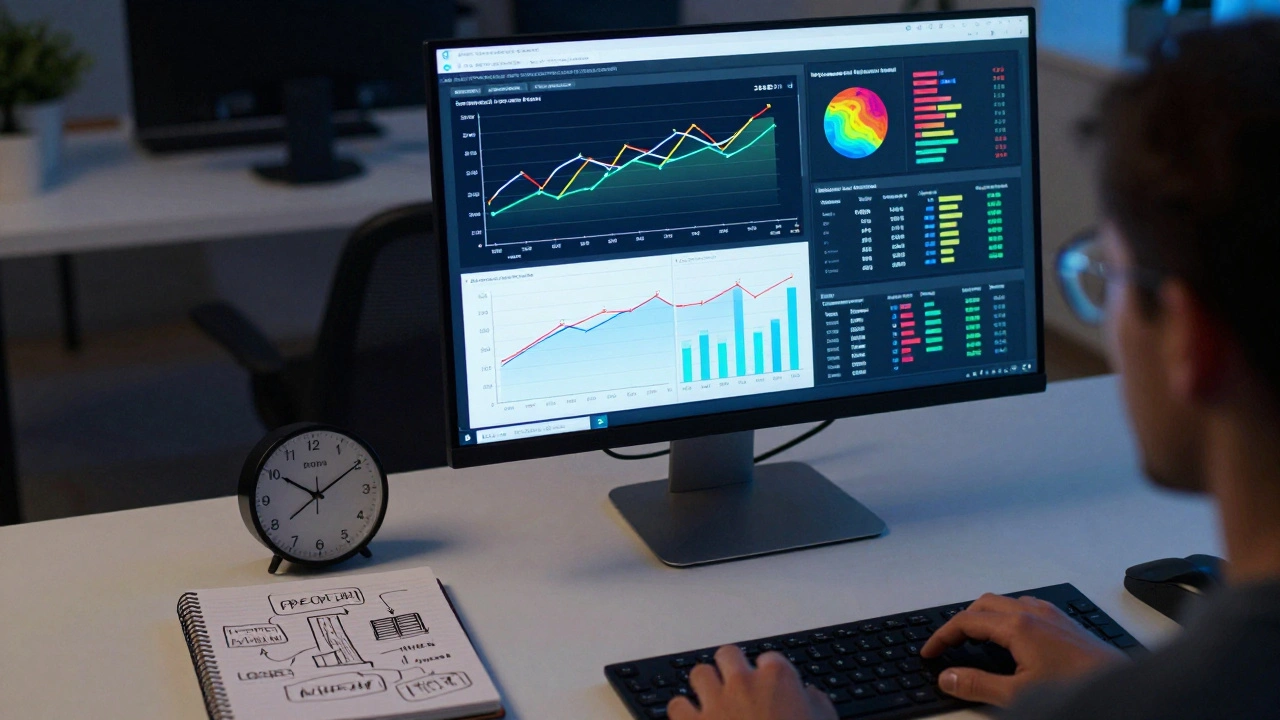
You don't operate in a vacuum. Your audience is likely subscribed to three other channels in your niche. To win, you need to know what the "gold standard" looks like. TGStat provides a massive database where you can sort channels by category, language, and region.
By analyzing the Citation Index of competitors, you can see who is being referenced most often. If a rival channel is growing rapidly, don't just copy them-analyze their content pillars. Are they using more polls? More video notes? By comparing your growth trends against the category average, you can determine if a dip in your views is a personal failure or a general market trend across the entire Telegram ecosystem.

Integrating Qualitative Sentiment with Quantitative Data
Numbers tell you what is happening, but sentiment tells you why. This is the gap where many editors fail. You might see a spike in engagement on a controversial post, but if the sentiment is overwhelmingly negative, that engagement is actually damaging your brand.
Using tools like Brand24, you can track keyword-based mentions across the platform. If people are discussing your latest editorial piece in other groups, are they praising the insight or mocking the take? This qualitative layer allows you to pivot your tone in real-time. If the AI Brand Assistant flags a trend of "confusion" regarding a complex topic you covered, your next editorial move should be a "simplified guide" to clear the air.
Building a Data-Driven Editorial Workflow
A dashboard is just a mirror; it doesn't do the work for you. The most successful teams integrate these insights into a recurring loop. Start with a weekly review where you identify the top three and bottom three posts based on engagement rate, not views.
Next, apply those findings to your content calendar. If "How-to" guides are consistently outperforming "Opinion" pieces, shift your ratio from 50/50 to 80/20. Finally, use A/B testing. Post the same piece of news twice-once as a short summary and once as a detailed thread-and let the LiveDune post-level insights tell you which format your audience actually prefers. This removes the ego from the editorial process and replaces it with evidence.
What is the difference between a view and a reach in Telegram?
Views count every time a post is opened, including multiple times by the same user. Reach represents the number of unique users who saw the post. For editorial decisions, reach is more important because it tells you the actual size of the audience you impacted, whereas views can be inflated by a few highly active users.
Should I rely only on Telegram's native analytics?
Native analytics are great for a quick pulse check, but they lack the competitive benchmarking and granular content analysis found in third-party tools. If you are managing a professional brand or a large community, you need external tools like TGStat or Popsters to see how you stack up against the market and analyze text-length performance.
How do I know if my content is actually "viral"?
Look at the sharing frequency and the ratio of new subscribers to the specific post. If a post has a high number of forwards relative to its views, it's acting as a discovery mechanism. Viral content typically shows a sharp spike in the growth rate that correlates exactly with the timestamp of that specific post.
Can AI really help with editorial decisions on Telegram?
Yes, particularly through sentiment analysis and trend detection. AI can scan thousands of mentions to tell you if the general mood toward your content is positive, neutral, or negative. This allows editors to adjust their voice and topic selection based on actual community feeling rather than guessing.
What is a "Citation Index" and why does it matter?
The Citation Index measures how often other channels link to or mention your content. In the Telegram ecosystem, this is a primary indicator of authority. If your index is high, you are a "source" channel, meaning your editorial decisions are influencing other creators in your niche.
Latest Posts