Telegram news channels move faster than most people realize. A false claim about a political event, a doctored video, or a fabricated health advisory can spread across dozens of channels in under an hour. By the time a traditional news outlet gets around to debunking it, the misinformation has already reached hundreds of thousands. This isn’t just a problem-it’s a race. And if you’re trying to audit these channels for accuracy, you’re not just checking facts. You’re chasing ghosts.
Fact-checkers who ignore Telegram are missing the biggest battlefield in modern disinformation. Unlike Twitter or Facebook, Telegram doesn’t rely on algorithms to amplify content. It’s a direct pipeline: one broadcaster, thousands of subscribers. No engagement metrics. No feed. Just raw, unfiltered messages. That makes it harder to track-but also easier to audit if you know how.
Why Telegram Is Different
Telegram isn’t a social network. It’s a broadcast system. Channels can have millions of followers. Anyone can join. No one needs to like, comment, or share. That means false information doesn’t need to go viral to be effective. It just needs to be sent once. And because Telegram doesn’t moderate content aggressively, it’s become the go-to platform for state-backed actors, conspiracy groups, and scam networks.
One of the most dangerous tactics? Fake fact-checks. Russian and other foreign media outlets have started publishing their own "fact-checks"-not to correct misinformation, but to debunk truths that were never real to begin with. For example: a false report claims a bomb went off in a city. Then, a "fact-checker" on Telegram says, "No bomb happened. This is fake news." Except the original report was invented by the same group. The "fact-check" is the lie. It’s disinformation wearing a badge of credibility.
Tools That Actually Work
You can’t audit Telegram with spreadsheets or manual searches. You need tools built for speed, scale, and context.
The Facticity Telegram Bot is one of the few tools that brings verification into the same space where misinformation lives. Add @araistotle_bot to your Telegram and you can fact-check anything in real time. Just reply to a message with /check, paste a link from YouTube or TikTok, or type a claim. The bot pulls the statement, cross-references it with trusted sources, and returns a clear verdict: verified, false, or unverified. It uses the same database as ArAIstotle, so if you already have credits there, you don’t need to pay again. Just log in and link your account.
This isn’t just convenient-it’s critical. Traditional fact-checking happens after the damage is done. Facticity stops misinformation before it spreads further. It works in group chats, private channels, and even encrypted one-on-one messages.
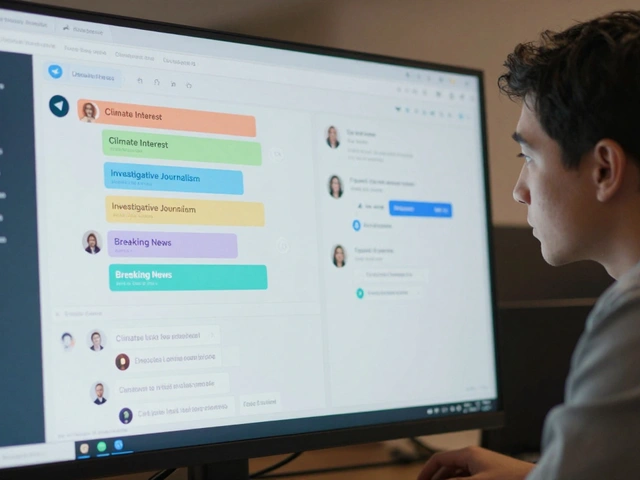
Another tool, developed by researchers at the University of Singapore, uses machine learning to scan Telegram channels automatically. It doesn’t just flag lies-it maps how they spread. The system downloads messages, organizes them into cards with timestamps and sources, and highlights patterns: which channels repeat the same false claims? Which ones are just reposting others? It can detect coordinated campaigns by spotting identical wording across unrelated channels. One researcher called it "an early warning system for disinformation." It’s not perfect, but it’s the closest thing we have to a radar for falsehoods.

Human Fact-Checkers Still Matter
AI can spot patterns, but it can’t understand context. That’s where human fact-checkers come in.
CheckMate uses a crowdsourced model. Instead of one expert, you get a dozen. Each claim is reviewed by multiple people with different backgrounds-journalists, scientists, local residents. This reduces bias. A health claim about vaccines might be flagged by a doctor, then confirmed by a nurse, then challenged by someone who works in public health policy. The result? A more reliable verdict.
This approach works especially well for claims tied to local events, cultural norms, or regional slang. AI might miss that a phrase like "government poison" is a coded reference to a specific conspiracy theory in one country-but a human from that region will catch it immediately.
How to Find the Right Channels
Not all Telegram channels are created equal. Some are run by journalists. Others are bots that repost fake news from Russian state media. How do you tell the difference?
- Check the join date. Channels created last week with 50,000 followers? Suspicious.
- Look at the content history. Does it post once a day? Or 50 times an hour? Overloaded channels are often spam factories.
- Trace the source. If a channel always reposts from another channel, it’s not original. It’s a relay.
- Watch for keyword triggers. Research from the Max Planck Institute found that propaganda accounts rarely start conversations. They wait for someone to post something like "election fraud" or "vaccine side effects," then jump in with a false rebuttal.
The Knight Center at the University of Texas offers free training for journalists on how to find credible Telegram sources. They teach techniques like using Telegram search filters, extracting metadata from photos and videos, and spotting fake profiles with mismatched usernames and profile pictures.

Building Your Audit Workflow
Here’s how to set up a simple, repeatable system:
- Identify 5-10 high-risk Telegram channels in your area of focus (politics, health, finance, etc.).
- Add the Facticity bot to your personal account and start fact-checking every claim you see.
- Use the AI analysis tool to scan these channels weekly. Export the data into a spreadsheet.
- Assign 2-3 human fact-checkers to review flagged claims. Use CheckMate’s model: multiple reviewers, no single authority.
- Track trends. If the same false claim appears across 3 channels in one week, it’s likely a coordinated campaign.
- Report findings. Share verified results with your audience. Don’t just say "this is false." Show them the evidence.
This isn’t about stopping every lie. It’s about breaking the cycle. If people know you’re auditing these channels, they’ll start questioning what they see. That’s the real win.
The Bigger Picture
Fact-checking Telegram isn’t just about accuracy. It’s about trust. When people see that you’re actively monitoring false claims, they start to rely on you-not just for what you say, but for how you verify it.
And that’s the future of journalism: not just reporting the news, but showing how you know it’s true.
Researchers are already adapting these tools for WhatsApp, Signal, and even Discord. The methods developed for Telegram are becoming the blueprint for how we’ll audit misinformation everywhere. The tools are here. The data is accessible. The only thing missing is consistent action.
Start small. Audit one channel. Use one tool. Talk to one fact-checker. The rest will follow.