Stop chasing ad revenue. The algorithm changed again, your reach dropped by half, and the money from display ads barely covers your coffee budget. Meanwhile, your most engaged readers are asking for more-not less-of your deep dives. You have an audience that trusts you. Now you need a system to let them pay you directly.
In 2026, paid telegram channels for news are no longer a niche experiment for crypto bros or celebrity fans. They are a viable, scalable business model for serious journalists and media startups. Telegram has built native tools like Stars and Super Channels, while third-party platforms like InviteMember and LaunchPass handle the heavy lifting of billing and access control. The question isn't whether this works; it's which model fits your specific type of news content.
Why choose Telegram over Substack or Patreon?
Telegram offers real-time push notifications that email newsletters cannot match. For breaking news or market alerts, speed is the product. Plus, Telegram’s ecosystem allows for both one-off microtransactions (via Stars) and recurring subscriptions without forcing users to leave the app, reducing friction compared to external payment gateways.
The Native Toolkit: Stars and Super Channels
Before you sign up with any third-party service, you need to understand what Telegram gives you for free. In 2026, the platform’s native monetization stack is robust enough for many publishers to start immediately.
Telegram Stars is the internal virtual currency used for digital goods and services within the app. Think of it as a frictionless wallet. Users buy Stars with real money, then spend them on your content. This eliminates the credit card entry form that kills conversion rates on traditional websites.
There are two primary ways to use Stars for news:
- Paid Media (Microtransactions): You can lock individual posts-PDFs, video briefings, or exclusive datasets-behind a paywall. A user pays, say, 50 Stars, and unlocks just that post. This is perfect for special reports or investigative pieces where you don’t want to demand a monthly commitment.
- Star Subscriptions (Recurring Revenue): Available through "Super Channels," this lets you set a recurring price in Stars. Subscribers get access to specific perks, like comment sections, polls, or early-access posts. This turns your channel into a true membership product hosted entirely inside Telegram.
For example, if you run a tech policy newsletter, you might post daily headlines for free. But every Friday, you publish a 10-page regulatory analysis PDF. You lock that PDF behind a 100-Star fee. Casual readers stay for the headlines; professionals pay for the analysis. It’s simple, direct, and requires zero coding.
The Freemium Funnel: Structuring Your Offer
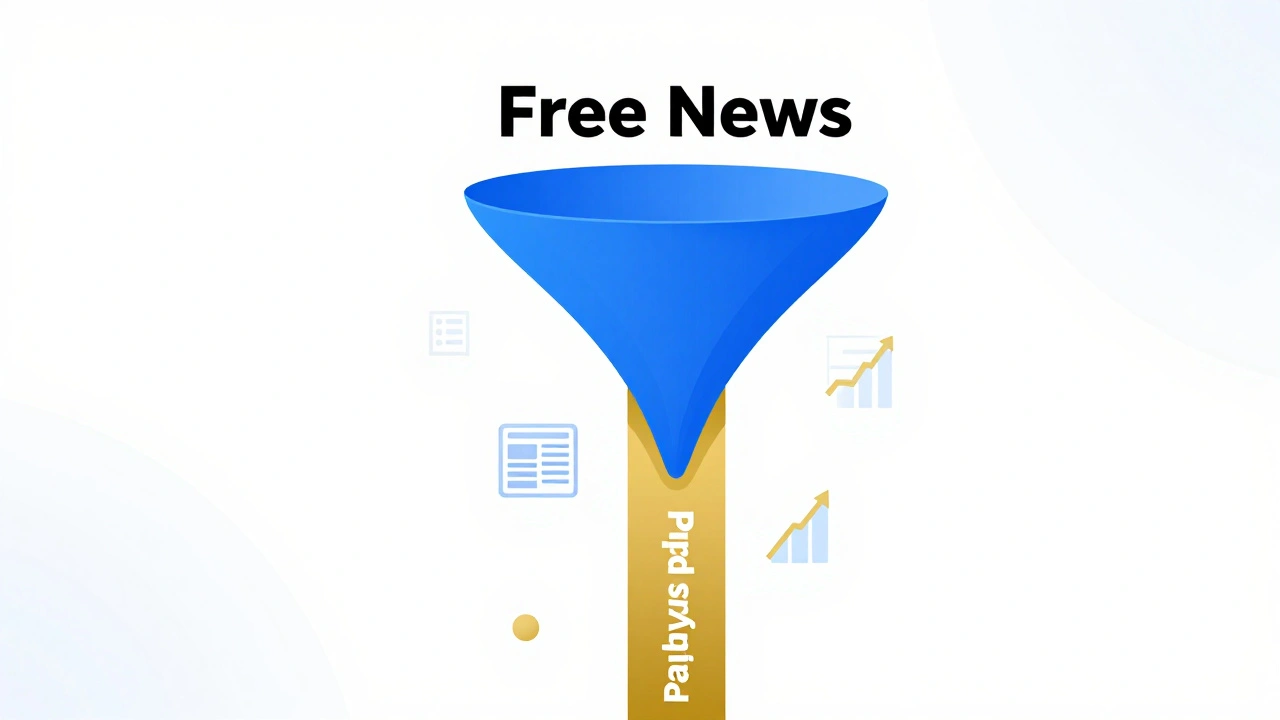
You cannot charge everyone for everything. If you put all your news behind a paywall, you kill your growth engine. The most successful paid Telegram channels use a strict freemium funnel.
Here is how you structure it:
- The Free Channel (Top of Funnel): This is your public broadcast tower. Post breaking news, links to your other social media, and teasers. The goal here is volume and visibility. Let people share these posts freely. This builds your brand and captures new leads.
- The Paid Channel or Group (Bottom of Funnel): This is where the value lives. Access is restricted. Here, you provide context, not just headlines. You offer expert analysis, raw data, or direct Q&A with reporters.
Consider a financial news outlet. The free channel sends out "Market Open" alerts with stock prices. The paid channel, accessible only via subscription, provides a live chat room where traders discuss strategy and the editor breaks down *why* a sector is moving. The free content proves your expertise; the paid content saves your subscribers time or makes them money.
This separation is critical. If your paid content looks exactly like your free content, just slightly earlier, people will churn. The paid tier must offer a different *type* of value: depth, access, or community.
Third-Party Platforms: When to Use InviteMember or LaunchPass
Native Stars are great, but they have limitations. You can’t easily create complex tiers (e.g., Basic vs. Pro), manage annual discounts, or integrate with existing customer databases. That’s where third-party platforms come in.
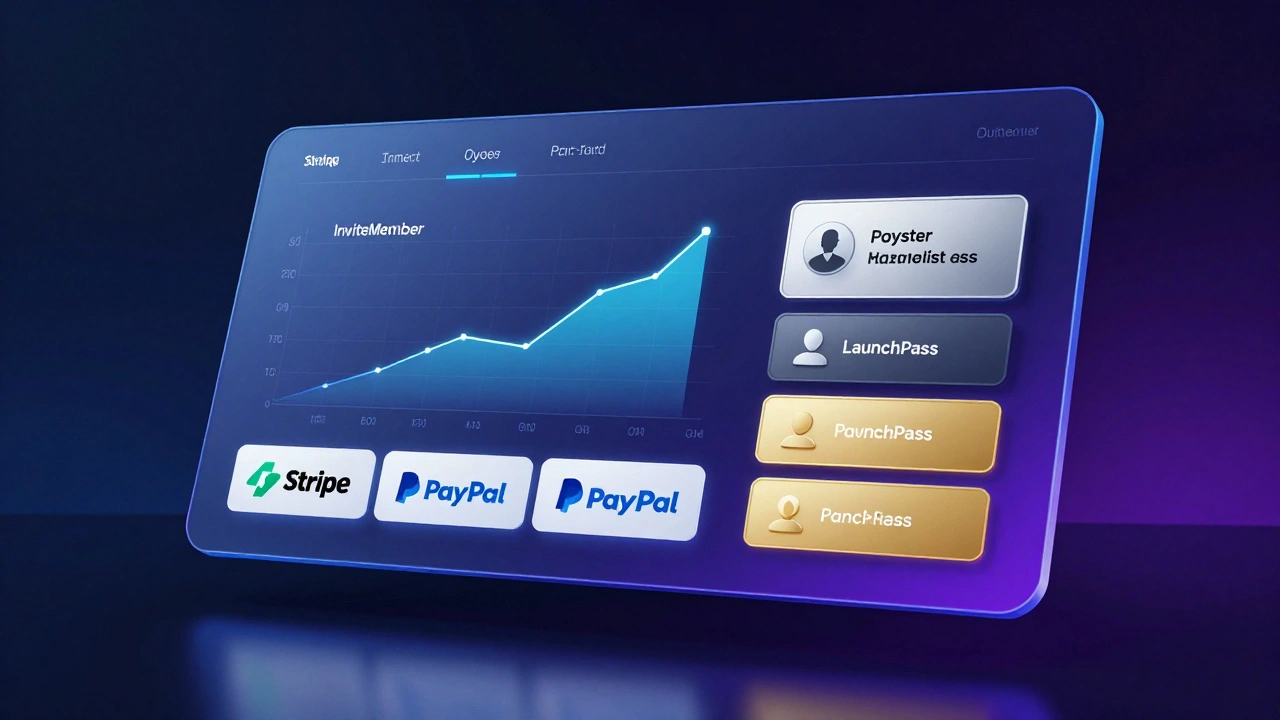
InviteMember is a bot-based service that connects payment processors like Stripe and PayPal to Telegram access control. It acts as a bridge. When a user pays on your website or via a link, InviteMember automatically adds them to your private Telegram group. If they cancel, it kicks them out.
LaunchPass is a membership platform designed for creators to charge for access to communities on Telegram, Discord, or Slack. It offers a more polished dashboard for managing invites, permissions, and recurring billing.
| Feature | Telegram Native (Stars) | InviteMember | LaunchPass |
|---|---|---|---|
| Setup Complexity | Low (Built-in) | Medium (Bot config) | Low (Web dashboard) |
| Payment Processor | Telegram Wallet | Stripe, PayPal | Stripe, PayPal |
| Tiering Support | Limited (Single sub) | High (Multiple plans) | High (Multiple plans) |
| Best For | Microtransactions, Simple Subs | Existing Web Businesses | Community-Focused Creators |
If you already have a website with Stripe integrated, InviteMember is likely your best bet. It keeps your customer data in your own CRM. If you are a solo journalist building a community from scratch, LaunchPass’s easy-to-use interface might save you hours of technical headache.
Micro-Products: Selling Single Pieces of Content
Not every reader wants a monthly subscription. Some want one specific thing. Maybe they need a background report on a local election, or a template for analyzing quarterly earnings. This is where per-post monetization shines.
Using Telegram’s paid media feature, you can sell individual assets. Here is how to do it effectively:
- Create High-Value Assets: Don’t just lock a text post. Lock a PDF report, a high-resolution infographic, or a recorded webinar. These feel like tangible products.
- Price for Impulse: Keep the cost low. If a Star equals roughly $1 USD (depending on region and exchange rate), price your single reports between 50 and 200 Stars ($5-$20). This is an impulse buy range.
- Use Teasers: Post the first page of the report or a blurred version of the chart in the free channel. Link to the paid post. Show them what they are missing.
This model works exceptionally well for B2B news. A supply chain analyst might pay $15 once for a detailed map of port delays, rather than subscribing to a daily feed. It lowers the barrier to entry and captures revenue from occasional readers who would never commit to a monthly fee.
Building Community: The Group Advantage
Channels are one-way broadcasts. Groups are two-way conversations. For certain types of news, the conversation is the product.
Imagine a channel covering local city council politics. The free channel posts meeting minutes and press releases. The paid group, however, is where subscribers debate the implications, ask questions directly to the reporter, and network with other engaged citizens. The value isn’t just the information; it’s the access to peers and experts.
To make this work, you need active moderation. Use bots to handle welcome messages and rule enforcement, but keep a human presence. Host weekly AMAs (Ask Me Anything) sessions. Pin important threads. If the group goes silent, subscribers will cancel. Engagement is retention.
This model commands higher prices. People will pay $10/month for a news feed, but they might pay $30/month for a curated network of industry insiders. Position your paid group as a professional club, not just a notification service.
Avoiding Common Pitfalls
Many creators fail because they treat paid Telegram channels like a dumping ground for old content. Don’t do this.
Pitfall 1: Lack of Differentiation. If your paid content is just your free content posted five minutes earlier, you are charging for speed, not value. Speed is valuable, but it burns out. Add depth. Add analysis. Add context.
Pitfall 2: Ignoring Churn. Track your numbers. If you use InviteMember or LaunchPass, look at your cancellation rates. Are people leaving after one month? Survey them. Did you promise too much? Is the content inconsistent? Adjust your offering based on data, not guesses.
Pitfall 3: Over-Automation. Bots are great for billing, but terrible for journalism. Don’t let automation replace your voice. Personal notes, handwritten updates, and direct replies build loyalty. People subscribe to humans, not algorithms.
Next Steps for Implementation
Start small. Do not try to build a complex multi-tier empire on day one.
- Test Native Stars: Create one high-value PDF report. Lock it behind a Star payment. Promote it in your free channel. See if people buy. This validates demand with zero risk.
- Choose Your Platform: If sales are strong, decide if you need tiers. If yes, set up InviteMember or LaunchPass. Connect your payment processor.
- Define Your Perks: Write down exactly what subscribers get. "Daily briefings" is vague. "A 7:00 AM AM audio summary of overnight markets" is specific. Specificity sells.
- Launch and Iterate: Open your paid channel. Monitor engagement. Ask for feedback. Tweak your pricing and content mix monthly.
The shift to direct-to-consumer news is happening now. Ad networks are volatile. Algorithms are opaque. Your relationship with your readers is the only asset you truly own. Build it, protect it, and yes, charge for it.
How much does Telegram take from Stars transactions?
Telegram takes a small percentage of each transaction involving Stars, typically around 3% for developers/creators when cashing out, though exact fees can vary by region and payout method. This is generally lower than the 5-10% taken by many third-party subscription platforms plus payment processor fees.
Can I offer free trials for paid Telegram channels?
Yes, but natively it is limited. With third-party tools like InviteMember or LaunchPass, you can configure free trial periods (e.g., 7 days) before charging the subscriber. This helps reduce hesitation for new users.
Is it legal to sell news via Telegram?
Yes, selling access to original content via Telegram is legal globally, provided you comply with local tax laws and consumer protection regulations. Ensure you have clear terms of service and refund policies, especially when using third-party payment processors.
What is the best price point for a news subscription on Telegram?
There is no single best price, but successful channels often test between $5-$15 per month for general news and $20-$50+ for specialized B2B or investment advice. Start lower to gain traction, then raise prices as you add more value and establish credibility.
How do I prevent subscribers from sharing my paid content?
You cannot fully prevent screenshots or screen recordings. However, you can discourage sharing by adding watermarks with the user’s name or ID to PDFs and images. Additionally, focusing on community interaction (live chats, Q&As) creates value that cannot be screenshoted or shared easily.