Breaking News Misinformation: How Telegram Fuels False Stories and How to Spot Them
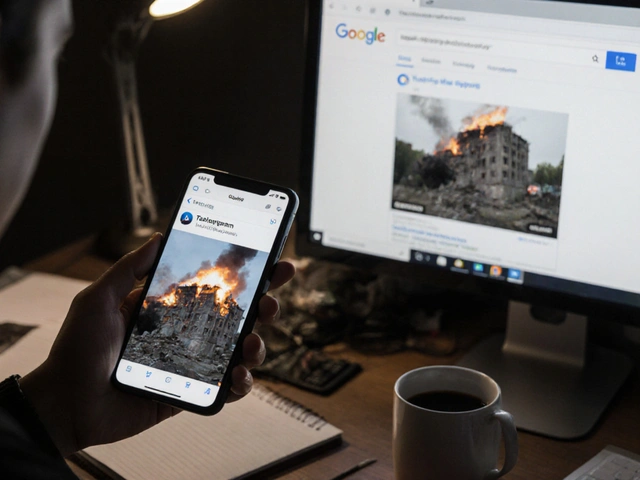
When breaking news misinformation, false or misleading information presented as urgent, real-time news. Also known as fake news, it thrives on platforms where speed beats accuracy—and Telegram is one of the fastest. Unlike traditional media, Telegram has no editorial team, no fact-checkers, and no algorithm to slow things down. A rumor can become a "breaking story" in under a minute. And because millions rely on it for real-time updates during crises, wars, elections, and disasters, the cost of a single false post can be huge.
Why does this happen? Because Telegram verification, the official badge that signals a channel is legitimate is rare. Most news channels aren’t verified. Even when they are, scammers copy them perfectly—same logo, same name, same bio. You might think you’re following a trusted outlet, but you’re really reading a bot-driven fake. Then there’s Telegram fact-checking, community-driven efforts to correct false claims in real time. These aren’t built into the app. They’re run by volunteers using bots, pinned messages, and peer reviews. They’re heroic. But they’re outnumbered.
It’s not just about bad actors. The platform’s own design encourages it. Telegram pays creators for views, not truth. That means sensational headlines get more clicks, more shares, and more money. A channel that posts "BREAKING: City Explodes!" gets 10x the traffic of one that says "Officials investigating reports of explosion." The truth doesn’t compete. And when people flee censored media, they don’t just want facts—they want confirmation. That’s why Telegram misinformation, false or unverified content spreading rapidly on Telegram channels finds such a willing audience. It’s not just ignorance. It’s trust in the absence of trust.
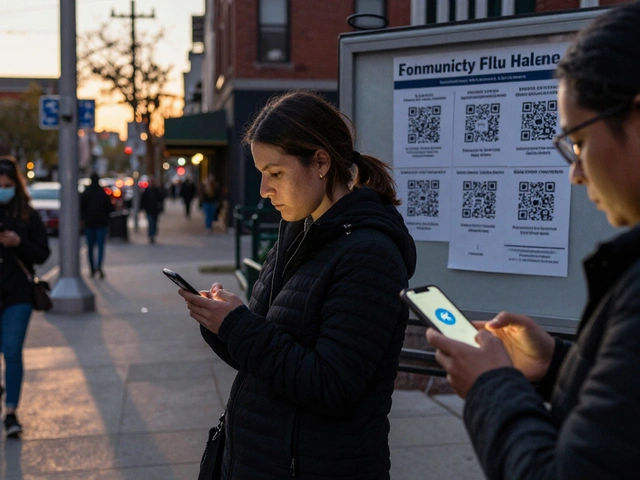
But you’re not helpless. You can learn to spot the red flags. Is the channel new? Does it have zero history? Is every post in all caps with emojis? Does it link to a website you’ve never heard of? These aren’t just clues—they’re warning signs. And you’re not alone. Thousands of volunteer moderators, journalists, and everyday users are building tools to fight this. They’re tagging fake channels, mapping impersonators, and teaching others how to verify sources before sharing.
What follows is a curated collection of real, practical guides—from how to use bots to add context cards, to how newsrooms are tracking impersonation attempts, to how communities are cutting misinformation by over 60% using peer review. This isn’t theory. These are the tools and tactics being used right now to protect truth on Telegram. You don’t need to be a journalist to use them. You just need to care enough to look closer.

- 29/Nov/2025
- by Greg Bush
-
 Telegram rumors
breaking news misinformation
Telegram fact-checking
avoid spreading fake news
Telegram citizen journalism
Telegram rumors
breaking news misinformation
Telegram fact-checking
avoid spreading fake news
Telegram citizen journalism
How to Avoid Spreading Rumors on Telegram During Breaking News
Telegram spreads rumors faster than any other platform during breaking news. Learn how to stop accidentally sharing fake news with the 3-2-1 verification rule and practical tools that work today.
Read