Disinformation on Telegram: How Fake News Spreads and How to Spot It
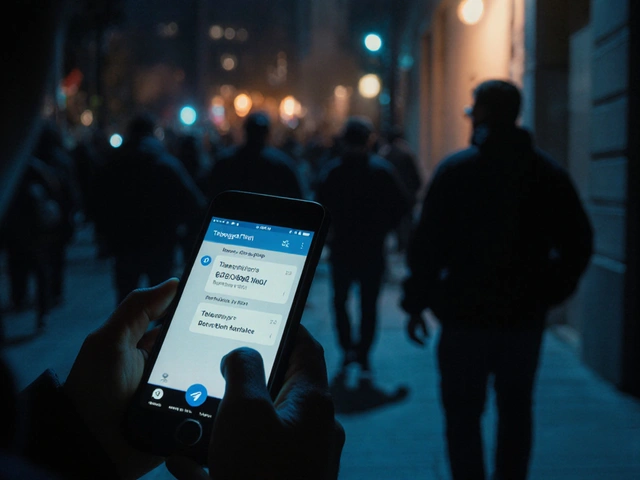
When you open Telegram, you see breaking news, live updates, and urgent alerts—sometimes real, sometimes made up. Disinformation on Telegram, false or misleading information spread intentionally to influence opinions or behavior. Also known as Telegram fake news, it thrives because the platform doesn’t rank content by likes or shares. That means a lie can reach a million people just as fast as the truth. Unlike Facebook or Twitter, there’s no feed to filter out nonsense. If someone sends you a video claiming a disaster happened in your city, you can’t tell if it’s real unless you check it yourself.
Telegram channels, one-way broadcast groups where admins post to subscribers are the main pipelines for this kind of content. A single channel with 50,000 followers can push out a false claim before fact-checkers even wake up. And because Telegram allows anonymous accounts and encrypted groups, it’s hard to trace who started it. Telegram verification, the official blue checkmark that signals a channel is authentic exists, but it’s rare. Most fake channels look just like real ones—same logos, same tone, same urgency. Even verified channels aren’t always safe; they can be hacked or pressured into sharing false info.
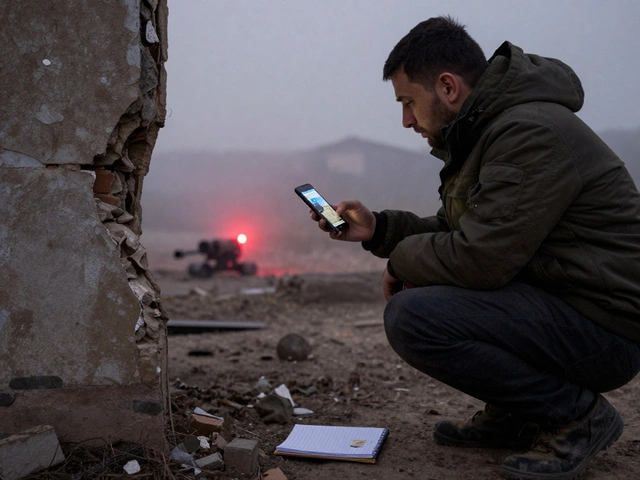
Disinformation doesn’t just show up in war zones or election periods. It’s in local news channels, community groups, and even finance bots. A fake story about a bank closing can trigger panic withdrawals. A doctored video of a politician can sway votes. And with Telegram’s ad system paying creators for views—not accuracy—some people are making money off lies. The platform’s growth has outpaced its ability to stop this. Over a billion users now rely on Telegram for news, and many don’t know how to tell truth from trash.
But you can fight back. Start by checking the source. Does the channel have a history? Is it linked to a known media outlet? Look for timestamps and geolocation clues in videos. Cross-check with trusted sites like Reuters or AP—even if they’re not on Telegram. Use Telegram’s Sensitive Content Filter to block some of the worst stuff. And if you see something suspicious, don’t forward it. Silence is your best tool.
This collection of posts dives into how disinformation moves on Telegram, who benefits from it, and how journalists, citizens, and even bots are trying to stop it. You’ll find real examples of fake channels that fooled thousands, tools that catch impersonators, and step-by-step guides to verify what you see. Whether you run a news channel, follow breaking events, or just want to avoid being misled, these insights will help you see through the noise.
- 16/Jan/2026
- by Greg Bush
-
 Telegram CIB detection
coordinated inauthentic behavior
Telegram fake accounts
disinformation on Telegram
Telegram bot networks
Telegram CIB detection
coordinated inauthentic behavior
Telegram fake accounts
disinformation on Telegram
Telegram bot networks
How to Detect Coordinated Inauthentic Behavior on Telegram
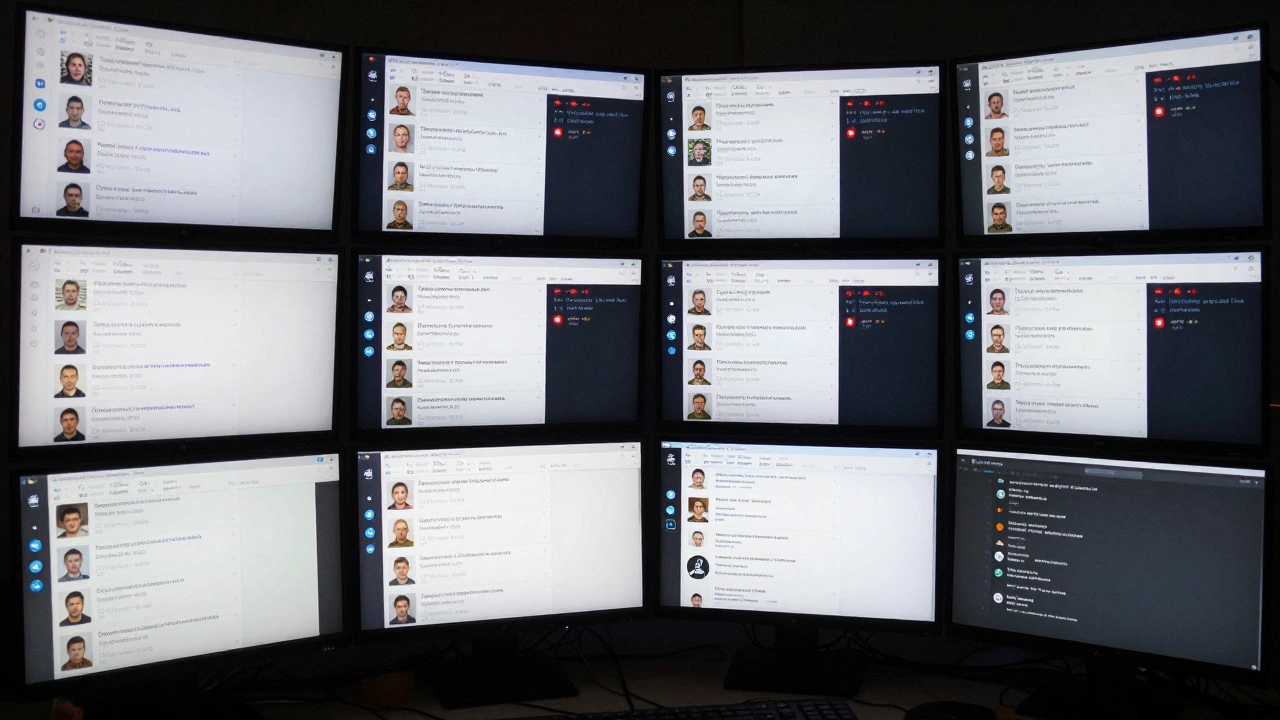
Coordinated inauthentic behavior on Telegram uses fake accounts and bots to manipulate public opinion. Learn how to spot the signs - from identical comments to stolen profile pictures - and understand the tools researchers use to detect these networks.
Read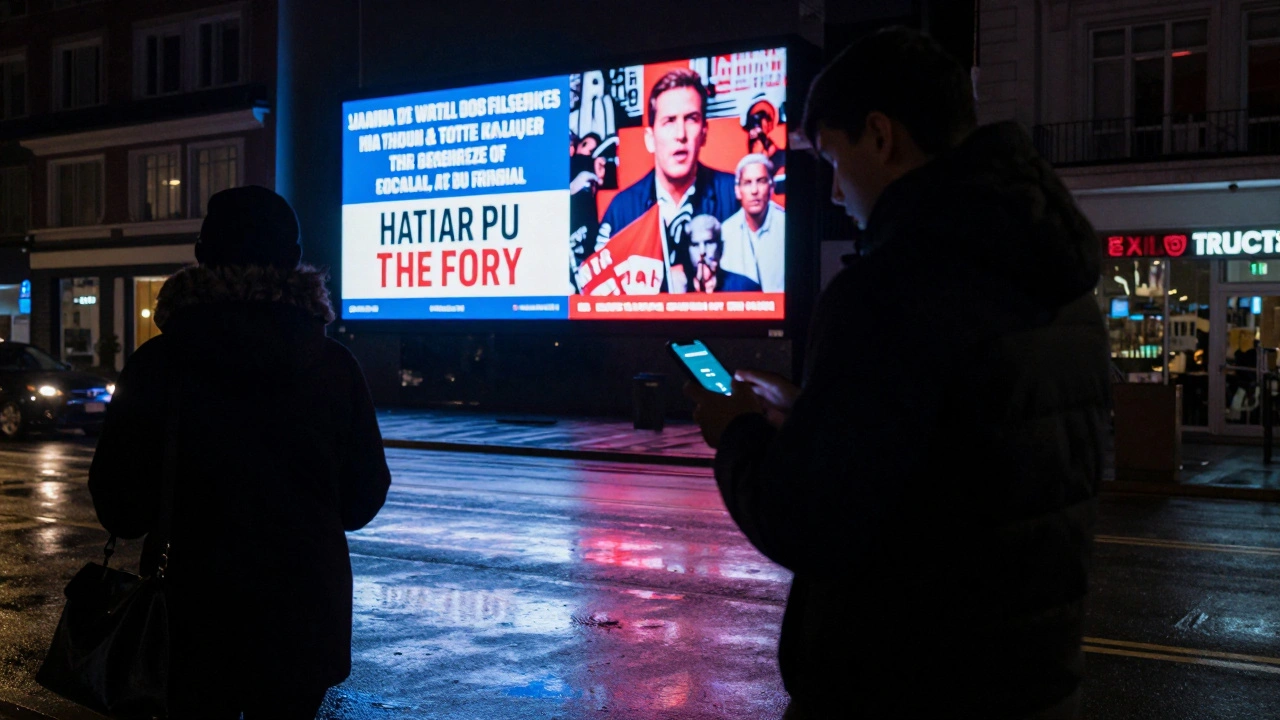
- 5/Dec/2025
- by Greg Bush
-
Telegram privacy
political news on Telegram
Telegram channels
end-to-end encryption
disinformation on Telegram
How Telegram’s Privacy Model Shapes Political News Communities
Telegram's unique blend of broadcasting power and flawed privacy lets political movements thrive-but also enables disinformation. It's a tool for dissidents and extremists alike, shaped by its refusal to moderate or fully encrypt.
Read