Secure Messaging on Telegram: Privacy, Encryption, and How It Really Works
When people talk about secure messaging, a communication method designed to protect content from unauthorized access. Also known as private messaging, it's the backbone of trust for journalists, activists, and anyone sharing sensitive information online. Telegram markets itself as a secure platform—but not every message on Telegram is encrypted the same way. Only Secret Chats use true end-to-end encryption. Regular chats, groups, and channels? They’re stored encrypted on Telegram’s servers, meaning the company could technically access them if forced. This distinction isn’t just technical—it’s life-changing for people in repressive regimes or covering dangerous stories.
That’s why end-to-end encryption, a system where only the sender and receiver can read messages, and no third party—including the service provider—can decrypt them matters so much. Telegram’s default settings don’t enable it. You have to manually start a Secret Chat. Most users don’t. Meanwhile, Telegram privacy, the set of controls users have over who sees their data, what’s stored, and how it’s shared is constantly shifting. In 2024, Telegram began sharing user IP addresses and phone numbers with law enforcement under valid legal requests. That change didn’t just affect criminals—it forced newsrooms to rethink how they communicate with sources. Even public channels, which seem harmless, can expose metadata like who’s subscribed, when they joined, and how often they engage. That’s enough for someone to map networks, track activists, or target journalists.
What you see in this collection isn’t just theory. These are real stories from reporters who lost sources after Telegram updated its data-sharing policy. From citizen journalists in war zones using Telegram to bypass censorship, to news organizations building compliance teams to handle legal requests, every post here answers one question: How do you actually stay safe on Telegram? You’ll find guides on setting up Secret Chats right, configuring privacy settings so your number stays hidden, understanding how the Sensitive Content Filter works, and why bots and channels can be more dangerous than they look. Some posts show how misinformation spreads faster when encryption is weak. Others reveal how tools like TON blockchain tokens are being used to verify sources without exposing identities. This isn’t about hype. It’s about what works when the stakes are real.

- 13/Feb/2026
- by Greg Bush
-
 Telegram safety
news on Telegram
restrictive media
censorship circumvention
secure messaging
Telegram safety
news on Telegram
restrictive media
censorship circumvention
secure messaging
Safety Protocols for Telegram News in Restrictive Media Environments
In restrictive media environments like Russia's, Telegram is one of the last open channels for news. Learn practical safety protocols-encryption, anonymity, backups, and circumvention tools-to keep reporting when the state tries to silence you.
Read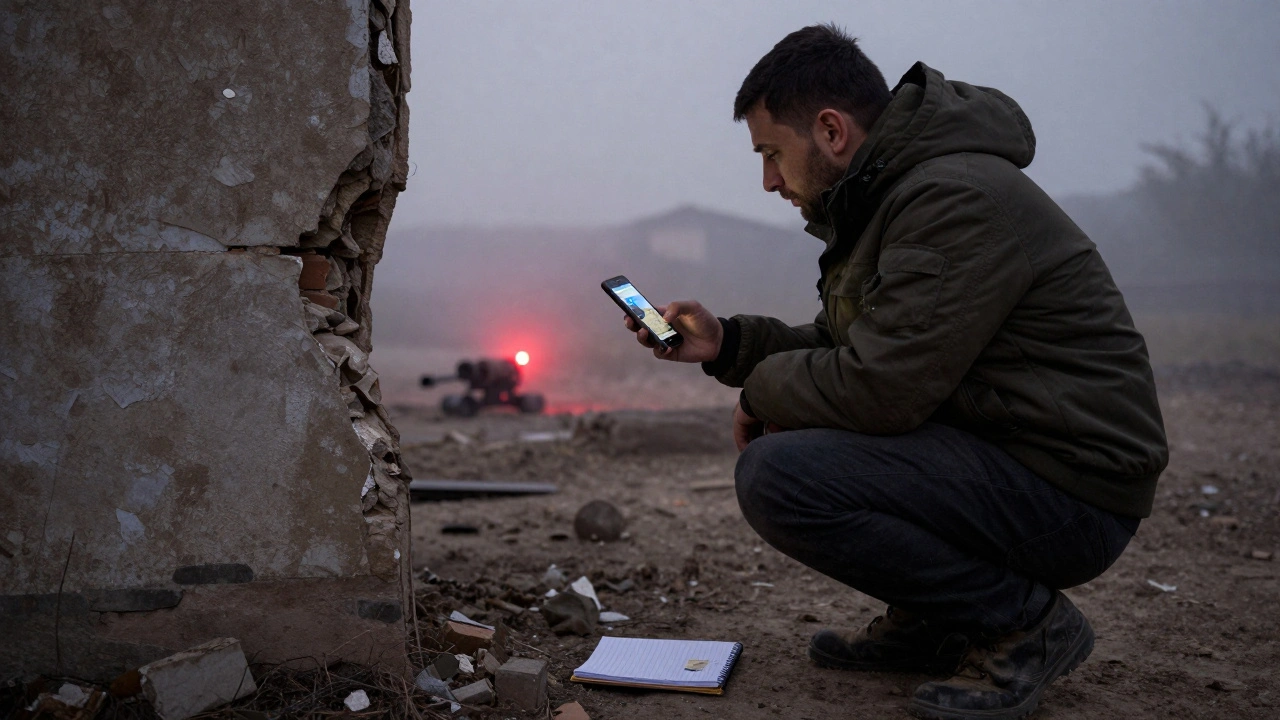
- 29/Jan/2026
- by Greg Bush
-
Telegram coordination
stringers
regional bureaus
secure messaging
journalism communication
Coordinating Telegram with Regional Bureaus and Stringers: Security, Tools, and Best Practices
Telegram is the go-to tool for journalists coordinating with stringers and regional bureaus - but its security flaws are dangerous. Learn how to use it safely, what policies govern its use, and how top newsrooms are mitigating risks in high-stakes environments.
Read
- 23/Jan/2026
- by Greg Bush
-
Telegram privacy
secure messaging
high-risk regions
Telegram security
Signal vs Telegram
Privacy Guidance for Telegram News Subscribers in High-Risk Regions
Telegram may seem safe for news in high-risk areas, but its default settings expose users to surveillance, arrest, and tracking. Learn why Signal is the only secure alternative and how to minimize risk if you still use Telegram.
Read
- 7/Dec/2025
- by Greg Bush
-
Telegram security
NGO communication risks
government Telegram use
secure messaging
Telegram surveillance
Risk Assessment for Government and NGO News Use on Telegram
Telegram is widely used by governments and NGOs for news and emergency comms, but its security flaws and ties to state surveillance make it dangerously unsuitable for sensitive communication. Here's what you need to know.
Read