Telegram content moderation: How news channels stay trusted without algorithms
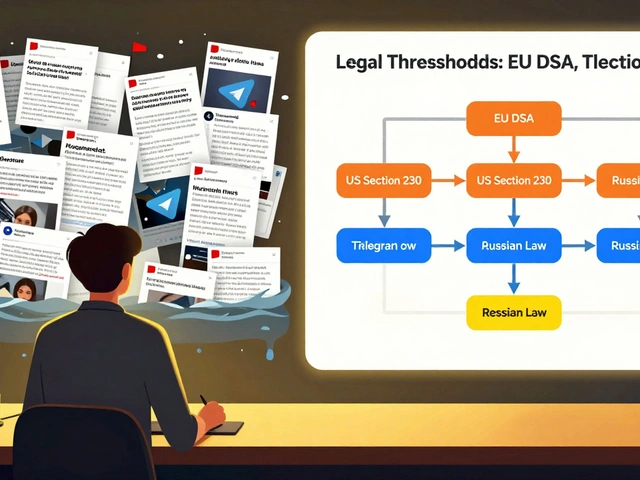
When you subscribe to a Telegram content moderation, the system of rules, tools, and human efforts used to manage what gets shared on Telegram news channels. Also known as community moderation, it’s the invisible backbone keeping trusted news alive on a platform that refuses to police itself. Unlike Facebook or Twitter, Telegram doesn’t automatically remove harmful posts. There’s no algorithm deciding what’s true or false. That means the people running news channels — journalists, activists, volunteers — have to do the work themselves. And they’re doing it at scale, with millions of subscribers watching every update.
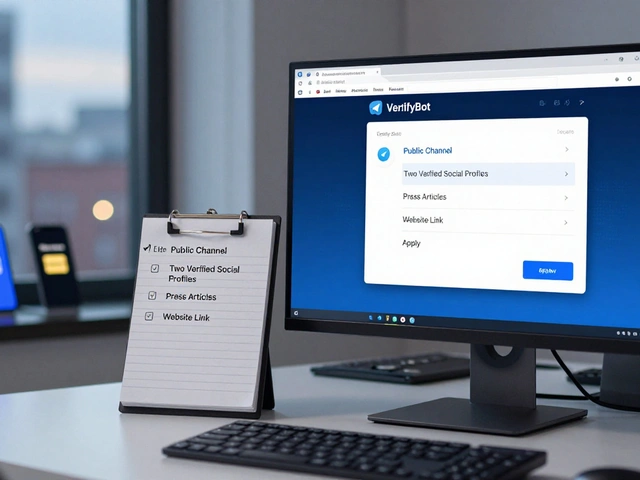
That’s where volunteer moderators, unpaid community members who review messages, flag misinformation, and enforce channel rules on large Telegram news groups come in. These aren’t corporate employees. They’re teachers, coders, ex-journalists, and students in Ukraine, Nigeria, and Brazil who spend hours daily checking sources, verifying photos, and shutting down impersonators. They use tools like TGStat, a third-party analytics platform that helps track engagement spikes and detect suspicious account activity on Telegram channels to spot fake accounts flooding their groups. They rely on pinned messages that spell out editorial policies — no rumors, no unverified claims, no clickbait. And when a channel gets hacked or impersonated, they’re the first to warn subscribers and report the fake.
But it’s not just about stopping lies. Telegram policy change, the 2024 shift that allows Telegram to share user data with law enforcement under legal request forced every news channel to rethink how they protect sources. Journalists who once thought Telegram was a safe haven now need encrypted bots, burner accounts, and clear privacy disclaimers. Even the way they format posts matters — using spoilers for sensitive info, monospace for verified quotes, and bold for official statements. These aren’t stylistic choices. They’re survival tactics.
And it’s getting harder. With Telegram’s ad program paying creators for views — not accuracy — sensationalist channels are booming. A fake video of a bombing can get 500,000 views in an hour. A careful fact-check? Maybe 5,000. That’s why the most successful news channels don’t just react. They build systems. They train their most active subscribers to flag suspicious links. They use Mini Apps to embed context cards next to breaking stories. They test headlines before publishing to see what resonates. They know that trust isn’t earned once. It’s rebuilt every day.
What you’ll find below isn’t theory. It’s what’s working right now. From how citizen journalists verify facts in war zones to how newsrooms use bots to auto-flag fake accounts, these are real strategies from real channels that haven’t been shut down — yet. You’ll learn how to spot impersonation before it spreads, how to set up volunteer teams without paying a dime, and why the next big policy change could break everything you thought you knew about Telegram news.

- 28/Feb/2026
- by Greg Bush
-
 Telegram emergency protocols
regulatory actions Telegram
Telegram content moderation
Telegram compliance
Telegram news shutdown
Telegram emergency protocols
regulatory actions Telegram
Telegram content moderation
Telegram compliance
Telegram news shutdown
Emergency Protocols for Telegram News During Regulatory Actions
Telegram news channels face sudden takedowns during regulatory crackdowns with no warning or appeal. Learn how independent journalists are building real emergency protocols to survive government censorship and platform compliance shifts.
Read
- 3/Dec/2025
- by Greg Bush
-
Telegram compliance
news publishing on Telegram
Telegram content moderation
Telegram legal requirements
Telegram for journalists
Compliance Considerations for News Publishing on Telegram
News publishers using Telegram face legal risks from evolving global regulations. Learn how EU laws, data sharing, encryption gaps, and content moderation requirements impact your operations-and what you must do to stay compliant.
Read