Imagine a massive geopolitical event breaks. Within seconds, a grainy video hits a chat group. Ten seconds later, it's forwarded to fifty other channels. By the time a professional news desk has even started their first meeting to verify the footage, thousands of people already believe it's a fact. This is the reality of Telegram is a cloud-based messaging platform that has evolved into a global news distribution hub. It doesn't act like a newspaper or a curated news site; it acts like a digital megaphone. While it's incredibly powerful for getting information out fast, it's a dangerous mistake to treat it as a replacement for traditional journalism. Instead, it works best as a high-speed complement-the "first alert" system that tells you something is happening, while traditional media tells you what it actually means.
The Speed Trap: Distribution vs. Verification
The core of the issue is a fundamental technical difference. Most news platforms we use today rely on algorithms. Whether it's Facebook or X, a piece of code decides what you see based on engagement. Telegram is different. It uses a direct distribution model. When a channel posts, every subscriber sees it in their chat list. There is no algorithmic filtering, no ranking, and most importantly, no editorial gatekeeping.
This architecture makes Telegram a powerhouse for speed. You get raw data straight from the source-be it a government official, a soldier in a conflict zone, or an independent analyst. But here is the catch: Telegram is a distribution system, not a verification system. It is designed to move data, not to check if that data is true. In the industry, this is often called the "first layer" of news. It's where information lands before it is challenged, contextualized, or debunked by professionals.
| Feature | Telegram Channels | Traditional News Outlets |
|---|---|---|
| Speed | Instantaneous/Real-time | Slower (Editorial cycle) |
| Verification | Minimal to none | Rigorous fact-checking |
| Curation | User-selected (Subscription) | Editorial board/Algorithm |
| Context | Raw, often fragmented | Analyzed and synthesized |
| Censorship | High resistance | Vulnerable to state pressure |
A Lifeline in Censored Zones
In places where the government controls the press, Telegram isn't just a "complement"-it's often the only window to the outside world. In Iran and Russia, the platform has become a vital tool for what experts call "social circumvention strategies." When state-run media blocks a story, foreign outlets like BBC Persian use Telegram to bypass institutional barriers and reach audiences directly.
The trust levels in these regions tell a striking story. In Iran, research has shown that nearly half of Telegram users trust news from the platform more than state-run media. In Russia, the ecosystem is even more integrated, with massive channels like Mash and Baza often breaking exclusives that are later quoted by mainstream outlets. In these contexts, Telegram fills a gap that traditional media literally cannot fill due to legal or political threats.
The Rise of "Clip Thinking" and Junk News
Telegram has also adapted to how we consume information today. There's a growing trend, particularly among younger audiences, described as "clip thinking." This is the preference for short, punchy, and visually stimulating content over long-form articles. Telegram news channels have mastered this by mixing short texts with memes, audio snippets, and emotionally charged headlines.
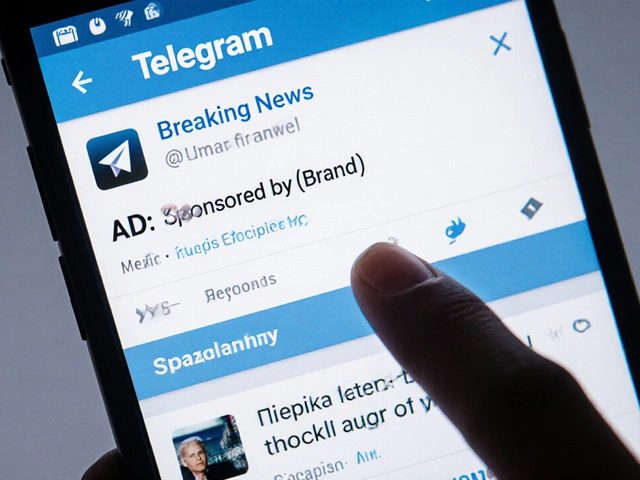
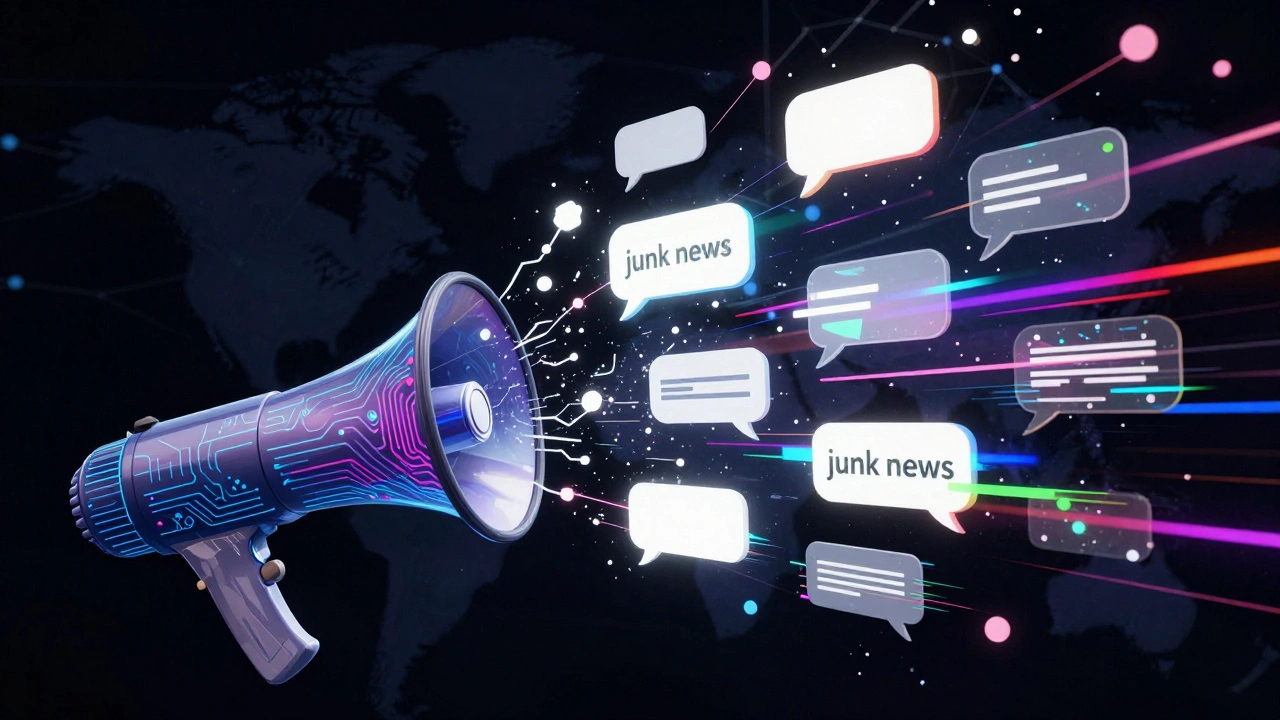
However, this style is a double-edged sword. The same mechanism that makes a news update "snackable" also makes it perfect for the spread of Junk News-content designed to look like news but lacking any journalistic standard. Between 2020 and 2025, millions of misleading posts regarding health and vaccines flooded Telegram channels. Because there is so little moderation, a single unverified claim can act as a "bridging node," jumping from one niche community to another until it reaches a massive audience before anyone can say "wait, is this true?"

Integrating Telegram into a Healthy News Diet
So, if Telegram is so prone to misinformation, why use it at all? The answer lies in using it as a starting point rather than a destination. If you treat Telegram as your primary source, you're essentially gambling with the truth. If you treat it as a signal, it becomes an asset.
A smart way to handle this is to use a "layered" approach to news consumption:
- Layer 1 (The Signal): Use Telegram for instant alerts and raw updates from trusted primary sources.
- Layer 2 (The Filter): Cross-reference the Telegram update with a reputable news organization that has a transparent correction policy.
- Layer 3 (The Context): Read an in-depth analysis or a long-form piece to understand the "why" behind the event.
This approach leverages Telegram's strengths-speed and directness-while relying on traditional journalism for the essential tasks of verification and contextualization.
The Future of the Open Channel
The honeymoon phase of unrestricted distribution may be ending. By early 2026, reporting has indicated that regulatory pressure is mounting, especially in Russia. Some of the largest independent channels are facing existential threats as governments realize that a platform resisting censorship is a threat to narrative control.
Despite these pressures, the fundamental utility of Telegram remains. It provides a level of privacy and directness that a traditional website or a curated social feed simply cannot match. As long as there is a need for fast, unfiltered communication, Telegram will exist as a critical piece of the media puzzle. Just remember that while the platform can give you the what and the when almost instantly, the how and the why still require the slow, deliberate work of professional journalists.
Can I trust news I see on Telegram?
You should treat Telegram as a distribution tool, not a verification tool. While it's great for getting raw information quickly, it lacks the editorial checks and balances of traditional newsrooms. Always cross-reference a Telegram post with a reputable, verified news source before accepting it as fact.
Why is Telegram better for news in some countries than others?
In countries with heavy state censorship, Telegram's resistance to government control and its lack of algorithmic filtering make it a vital alternative. In countries with free press, it acts more as a supplementary tool for speed, whereas in censored regions, it often becomes the primary way to access unrestricted information.
What is "junk news" on Telegram?
Junk news refers to content that mimics the appearance of professional journalism but is designed to mislead, provoke emotion, or spread misinformation. Because Telegram has minimal content moderation, these sources can spread rapidly through forwarding mechanisms.
Does Telegram use algorithms to show me news?
No. Unlike platforms like Facebook or TikTok, Telegram delivers content chronologically. If you subscribe to a channel, you see every post they make in the order it was sent. This removes the "filter bubble" created by algorithms but puts the responsibility of filtering and verifying on the user.
How do professional journalists use Telegram?
Many news organizations use Telegram as a broadcast medium to send alerts and raw updates to their audience instantly. They use it to complement their main reporting process, utilizing the platform's speed to reach users while keeping the deeper analysis and verification on their official websites.
Latest Posts