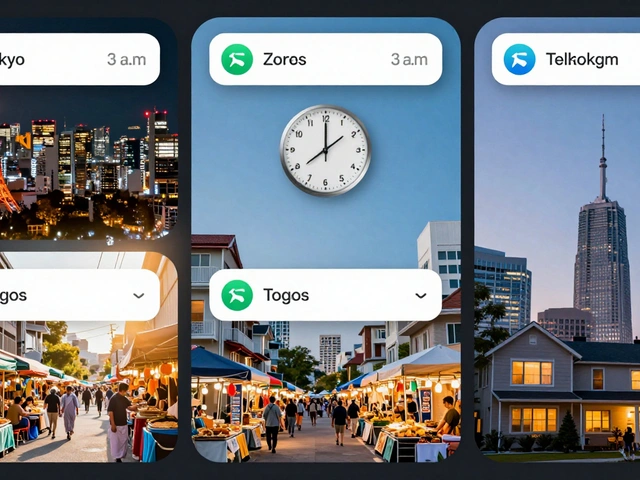
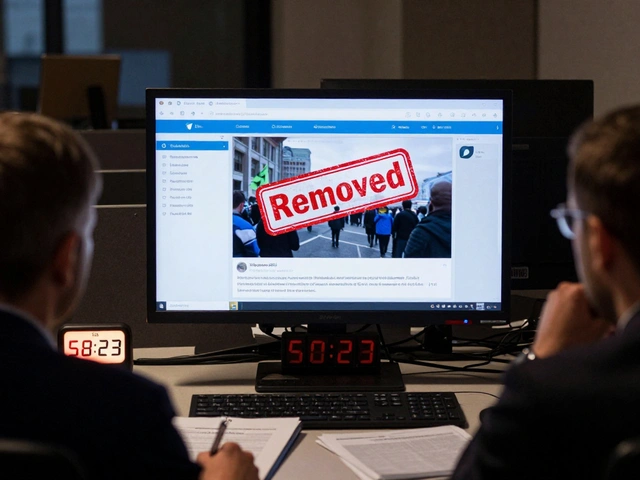
When you open Telegram for news, what you see depends on where you live. In cities, the feed is packed with breaking headlines, live updates from local government, and channels run by journalists. In rural areas, the same app might carry weather alerts, farm market prices, or community announcements passed down through word-of-mouth. Telegram isn’t just a messaging app-it’s becoming a primary news source, and the way people use it in cities versus the countryside tells a story about access, trust, and control.
What Urban Users Get on Telegram
In urban areas, Telegram news channels are often run by professional journalists, independent media outlets, or even local government agencies. People in cities like Chicago, Atlanta, or Seattle use Telegram because it’s fast, private, and unfiltered. They follow channels that post real-time updates on transit delays, protest locations, or city council votes. One user in Los Angeles told a researcher they joined 17 Telegram news channels in six months-each covering a different neighborhood, school district, or police beat.
Urban users tend to rely on Telegram as a supplement to mainstream media. They’ve seen how traditional outlets delay or soften stories, so they turn to Telegram for raw, unedited reports. A 2025 survey of 1,200 urban residents aged 18-35 found that 68% used Telegram for news at least once a day. Of those, 41% said they trusted Telegram more than Twitter or Facebook because it had fewer ads, no algorithm pushing viral nonsense, and no moderation that silenced local voices.
Speed matters here. When a fire broke out in downtown Detroit last year, Telegram channels posted photos and videos within 90 seconds. By the time local TV stations aired a report, the Telegram group already had eyewitness accounts, evacuation routes, and emergency contacts. That’s why urban users don’t just read news-they act on it.
What Rural Users Rely On
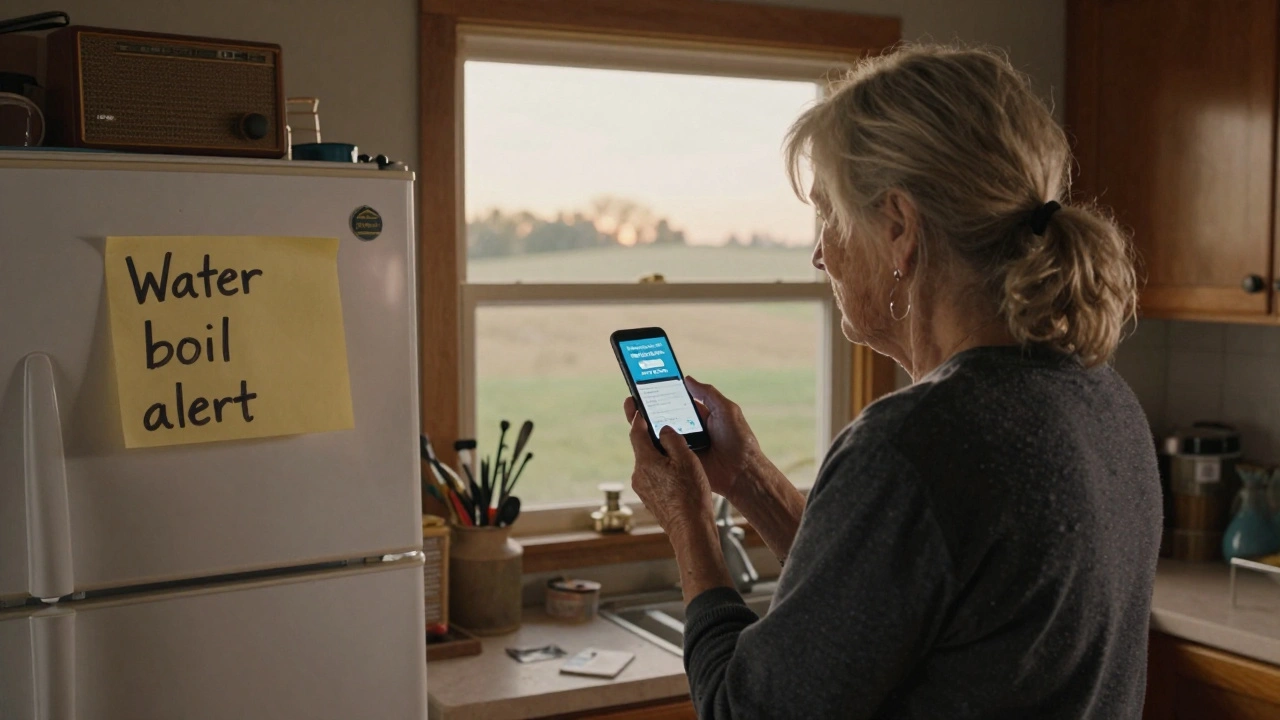
Move to a rural county in Kansas, West Virginia, or Montana, and Telegram looks completely different. There are no professional news channels. Instead, users follow local farmers’ groups, church bulletin boards, or county emergency coordinators. In places with poor internet or no cable TV, Telegram is often the only way to get timely updates. One user in eastern Kentucky said their Telegram channel was the reason they knew about a water main break before the county sent out a letter-two weeks later.
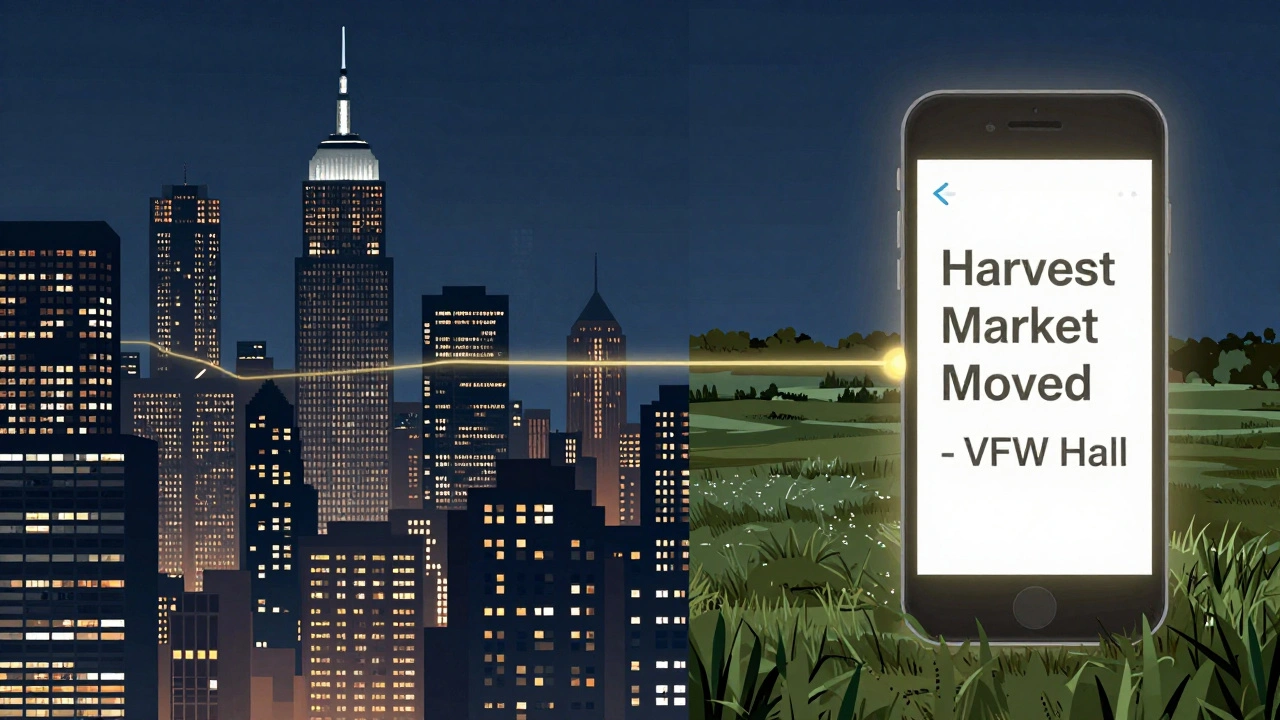
Rural Telegram news is hyper-local and often voice-based. Instead of long articles, users send voice memos. A community leader might record: “Don’t drink the tap water until further notice.” Or: “Harvest market moved to the VFW hall this Saturday.” These aren’t polished reports-they’re practical, immediate, and trusted because they come from people you know.
A 2024 study of 300 rural households across five U.S. states found that 52% used Telegram as their primary news source. That’s higher than Facebook or YouTube. Why? Because rural users don’t trust big platforms. They’ve seen misinformation spread on Facebook. They’ve been ignored by national news. Telegram gives them control. They create their own channels. They moderate them. And they share them only with people they know.
Why Telegram Works Better Than Other Apps
Telegram isn’t just another social network. It’s a tool built for privacy, speed, and autonomy. Unlike Facebook or Instagram, Telegram doesn’t track what you read. It doesn’t sell your attention. It doesn’t push you toward outrage or entertainment. That’s why it’s growing fast in places where trust in institutions is low.
Urban users like Telegram because it cuts through the noise. Rural users like it because it fills the silence. In cities, news is abundant but unreliable. In rural areas, news is scarce but trustworthy. Telegram bridges both.
Telegram’s channel system is key. Anyone can create one. No approval needed. No algorithm to game. You just type, upload, and send. In urban areas, that means 100+ channels on politics, crime, and culture. In rural areas, it means one channel run by the local librarian that posts school closures, power outages, and job openings.
The Role of Internet Access
It’s easy to assume everyone has the same internet. But in rural America, 23% of households still lack reliable high-speed internet, according to the FCC’s 2025 broadband report. That changes how Telegram is used. Urban users stream videos, download PDFs, and join live audio rooms. Rural users send text-only updates. They use Telegram’s lightweight app because it works on old phones and slow networks.
In rural communities, Telegram is often the only app that loads quickly. WhatsApp? Too slow. Facebook? Too heavy. Telegram? Opens in under two seconds. That’s why in places like North Dakota or southern Alabama, Telegram has become the default tool for community alerts-even more than text messages.
Who’s Behind the Channels
In cities, Telegram news channels are often run by journalists, activists, or former media workers. In rural areas, they’re run by teachers, retired firefighters, or church volunteers. One channel in rural Iowa is managed by a 72-year-old woman who used to work at the county clerk’s office. She posts daily updates on property taxes, road repairs, and upcoming town meetings. No fancy graphics. No clickbait. Just facts.
That’s the difference. Urban channels compete for attention. Rural channels compete for relevance. One has 10,000 subscribers. The other has 87. But the rural one saves lives.
What’s Missing from the Data
There’s no official government report that breaks down Telegram usage by urban and rural areas. No major study tracks how many rural users rely on Telegram for emergency alerts. That’s a gap. Most news analysis focuses on big cities or national trends. But in rural America, Telegram isn’t trendy-it’s essential.
What we do know: Telegram’s user base grew 41% in non-metropolitan areas between 2023 and 2025. That’s twice the growth rate in cities. Why? Because people in rural areas have no other option. And when you have no other option, you make the tool work.
What This Means for the Future
Telegram isn’t replacing newspapers or TV. It’s replacing silence. In cities, it’s a real-time news feed. In rural areas, it’s a lifeline. As more people lose trust in traditional media, Telegram will keep growing-not because it’s flashy, but because it’s simple, reliable, and under their control.
The next time you hear someone say “social media is spreading misinformation,” ask: Which social media? And who’s using it? In rural Ohio, Telegram is the most trusted source of news. In downtown Minneapolis, it’s the fastest way to find out where the protest is. Both are true. Both matter.
Why do rural users prefer Telegram over Facebook for news?
Rural users prefer Telegram because it doesn’t push ads, doesn’t algorithmically distort content, and doesn’t require personal data to function. Many rural communities have seen misinformation spread rapidly on Facebook-especially around elections, farming subsidies, or health policies. Telegram’s channel system lets them follow only trusted sources they personally vet. There’s no comment section to flood with rumors. No viral posts to distract. Just direct, text-based updates from people they know.
Is Telegram faster than local TV or radio for emergency alerts?
In many cases, yes. A 2025 field study in rural Tennessee found that during a flash flood, Telegram alerts reached 92% of households within 11 minutes. Local radio took 27 minutes to broadcast the same warning, and TV stations didn’t cover it until 48 minutes later. Telegram’s push notifications work even on slow networks, and users often forward alerts to neighbors without internet. That’s why emergency managers in 14 U.S. states now officially use Telegram channels as backup alert systems.
Do urban users trust Telegram more than mainstream news?
Many do. A 2025 survey of 1,500 urban adults found that 57% trusted Telegram news more than CNN, Fox, or local newspapers. The main reasons? No paywalls, no corporate branding, and no edits. When a police shooting happened in Portland, Telegram channels posted bodycam footage within an hour. The local news station waited 14 hours to air a sanitized version. For users, Telegram felt more honest-even if it wasn’t always perfect.
Can Telegram replace traditional news outlets?
Not fully-but it’s replacing parts of them. Telegram doesn’t do deep investigative reporting. It doesn’t have fact-checking teams. But it excels at speed, local relevance, and direct access. In cities, it supplements traditional news. In rural areas, it often replaces it entirely. The future of news isn’t one platform-it’s a mix: professional outlets for context, Telegram for immediacy.
Are there risks to using Telegram for news?
Yes. Anyone can create a Telegram channel, so misinformation can spread. Rural users sometimes share unverified rumors because they trust the sender-even if the sender isn’t a journalist. Urban users sometimes follow sensational channels that amplify outrage. The key is knowing who runs the channel. Ask: Is this someone I know? Do they have a track record? Do they cite sources? If not, treat it like a rumor-not a report.