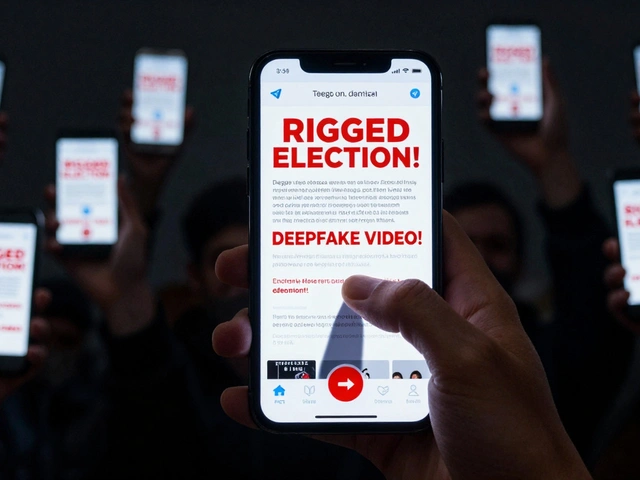
Imagine getting a breaking alert about a new treatment for a chronic condition. It arrives instantly in your pocket, shared by a channel you follow. The headline is bold, the claims are promising, and the timing feels perfect. But before you share it with your doctor or change your routine, ask yourself: who verified this? On Telegram, speed often outpaces accuracy, especially when it comes to health and medical news.
We live in an era where information travels faster than verification. While traditional media outlets have editorial boards and fact-checkers, many Telegram channels operate without these safeguards. This creates a dangerous gap between what we read and what is actually true. For anyone relying on Telegram for health updates, understanding how to navigate this landscape isn't just helpful-it's essential for protecting your well-being.
The Core Problem: Speed vs. Accuracy
Telegram was designed for speed and privacy, not for rigorous journalistic standards. Launched in 2013 by Pavel Durov, the platform has become a hub for uncensored communication. In regions with restricted media access, this democratization of information is vital. However, when applied to health news, the lack of gatekeeping leads to significant risks.
The primary issue is that Telegram does not enforce standardized verification protocols. Unlike established medical journals or reputable news organizations, Telegram channels face minimal institutional constraints. A channel can post unverified medical claims, pseudoscience, or outright falsehoods without immediate correction. This environment allows misinformation to spread rapidly, often reaching thousands of users before any fact-checking occurs.
Consider the anti-vaccination community as a documented example. Research shows that Telegram hosts substantial networks dedicated to spreading health-related misinformation. These groups exploit the platform’s decentralized nature to bypass traditional quality control mechanisms. The result is a fragmented information ecosystem where truth competes with conspiracy theories on equal footing.
Evaluating Credibility: Three Non-Negotiable Principles
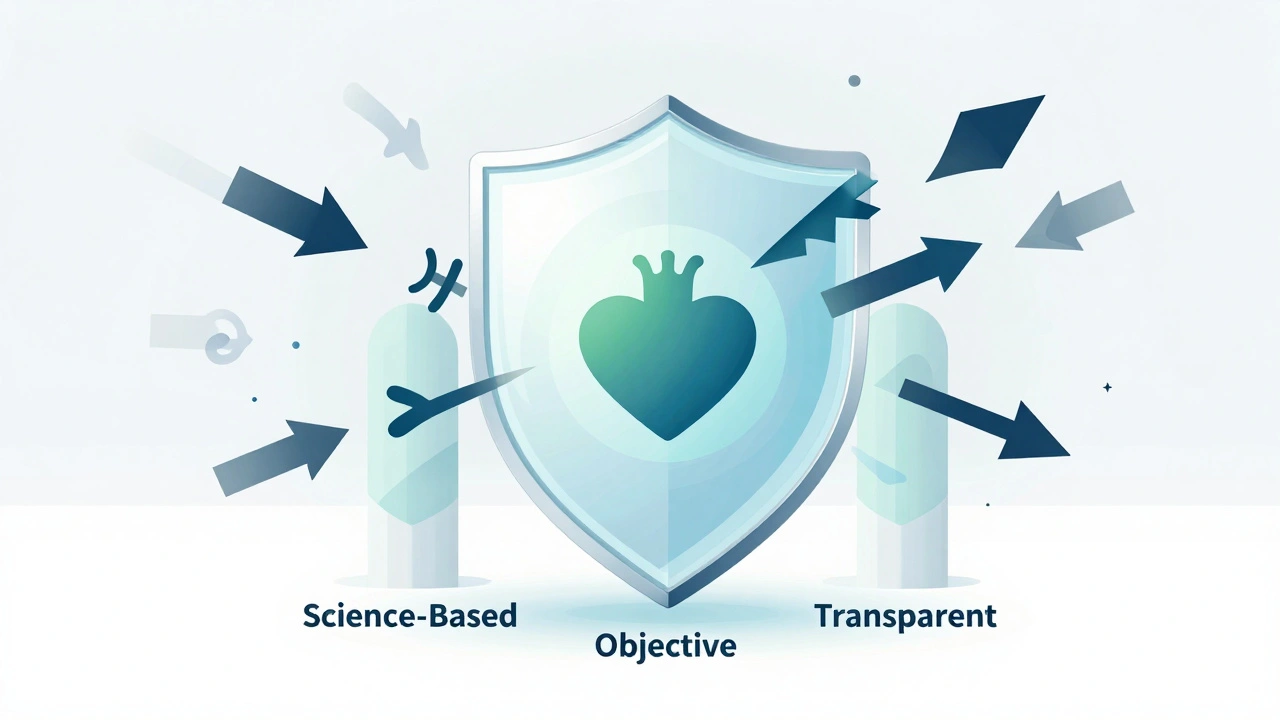
How do you separate reliable health information from noise? The National Academy of Medicine (NAM) provides a clear framework. In March 2021, they launched a comprehensive project to define principles for credible health information sources. These three pillars should guide your evaluation of any Telegram channel:
- Science-Based: The information must align with the best available scientific evidence. Look for citations, references to peer-reviewed studies, and adherence to established medical guidelines. If a channel makes bold claims without citing specific research or reputable institutions, treat it with extreme skepticism.
- Objective: Credible sources strive to reduce financial conflicts of interest and political biases. Health information should be separated from profit motives. Be wary of channels that promote specific supplements, devices, or treatments while selling them directly. Transparency about funding sources is a key indicator of objectivity.
- Transparent and Accountable: Reliable sources disclose limitations, correct errors publicly, and explain their methodology. If a channel never admits mistakes or hides its editorial process, it lacks accountability. Full disclosure of any deviations from established principles serves as a red flag.
Applying these NAM principles to Telegram requires active scrutiny. You cannot rely on the platform itself to filter content. Instead, you must become your own editor, checking each source against these benchmarks before accepting the information as valid.
Journalistic Ethics in a Decentralized World
Traditional journalism relies on codes of ethics to maintain public trust. The Israel Press Council, for instance, outlines rules requiring fidelity to the truth, rigorous verification, and protection of privacy. When researchers analyzed alternative news channels on Telegram using these standards, the results were mixed.
Some channels consistently uphold ethical norms. They fact-check information, protect source anonymity, and provide transparent corrections. Others, however, prioritize immediacy over accuracy. This leads to lapses such as publishing unverified rumors, breaching patient privacy, and using sensationalist language to drive engagement. Discriminatory discourse also appears frequently in less regulated channels, further eroding trust.
Citation practices are particularly weak on Telegram. Professional ethics demand accurate attributions, yet many channels fail to acknowledge their sources properly. Some attempt transparency, but most leave readers guessing about the origin of their claims. Without proper attribution, it is nearly impossible to verify the credibility of the information being shared.
HIPAA Compliance: Why Telegram Fails Healthcare Standards
For healthcare professionals and patients alike, data privacy is paramount. The Health Insurance Portability and Accountability Act (HIPAA) sets strict requirements for handling Protected Health Information (PHI). Can Telegram meet these standards? The answer is a definitive no.
HIPAA requires technical, administrative, and physical safeguards, plus enforceable responsibilities from vendors. Telegram does not offer Business Associate Agreements (BAAs). Without a signed BAA, covered entities like hospitals or clinics cannot legally use Telegram to create, receive, or transmit PHI. Even if you enable strong security settings, the absence of a BAA makes any sharing of patient identifiers a violation of vendor management obligations.
Additionally, Telegram’s encryption model falls short of enterprise-grade requirements. End-to-end encryption (E2EE) is not the default and does not extend to all chat types. HIPAA expects immutable, queryable logs of access, edits, and deletions-features Telegram does not provide at the necessary level. This means Telegram is inappropriate for clinical workflows involving sensitive patient data.
| Feature | Telegram | HIPAA-Compliant Platform |
|---|---|---|
| Business Associate Agreement (BAA) | Not Available | Required and Signed |
| Default Encryption | Cloud-based (not E2EE by default) | End-to-End Encrypted |
| Audit Trails | Limited/Non-Enterprise | Immutable, Queryable Logs |
| Data Privacy Liability | User bears risk | Vendor assumes responsibility |
This limitation is critical for anyone considering using Telegram for professional medical communication. While it may seem convenient, the legal and ethical risks far outweigh the benefits. Always use dedicated, compliant platforms for any discussion involving patient details.
The Ethics of Source Protection and Anonymity
Journalistic ethics emphasize protecting confidential sources to preserve information integrity and ensure safety. On Telegram, this principle faces unique challenges. The platform’s informal and decentralized nature can lead to inadvertent source exposure. Security practices vary widely among users and admins.
However, many channels deliberately take steps to obscure sensitive details. This tension between transparency and source protection becomes particularly significant when discussing sensitive health topics. For whistleblowers or patients sharing personal experiences, anonymity can be a lifeline. Yet, without robust security protocols, even anonymized posts can sometimes be traced back to individuals.
Bioethicists argue that social media platforms present special concerns due to how online technologies affect human health and well-being. The ease of sharing unverified claims can harm vulnerable populations. Strategies to counter pseudoscience must involve collaboration between communications scholars, legitimate health care news platforms, and bioethicists. Self-policing by companies rarely goes far enough to regulate inaccurate health claims effectively.

Navigating the Ambivalence of Decentralization
Researchers describe Telegram’s role in news dissemination as ambivalent. It functions simultaneously as a democratizing force and a site of ethical vulnerability. This duality has profound implications for health news.
On one hand, Telegram’s architecture enables rapid, uncensored information sharing. It can bypass state censorship or corporate gatekeeping, allowing vital health information to reach those who need it most. In crises where traditional media is suppressed, Telegram can be a lifeline.
On the other hand, this same architecture facilitates the rapid spread of unverified medical claims and pseudoscience. The absence of systematic quality control means that harmful misinformation can proliferate unchecked. Unlike regulated healthcare communication channels, Telegram operates with minimal institutional constraints. Patients and the general public may receive medical advice from unvetted sources, leading to potentially dangerous decisions.
To navigate this, adopt a skeptical mindset. Treat every health claim on Telegram as provisional until verified by a trusted, independent source. Cross-reference information with established medical organizations like the World Health Organization (WHO) or the Centers for Disease Control and Prevention (CDC).
Is Telegram safe for sharing personal health information?
No. Telegram does not offer Business Associate Agreements (BAAs) required by HIPAA regulations. Sharing Protected Health Information (PHI) on Telegram violates vendor management obligations and exposes users to privacy risks. Use dedicated, HIPAA-compliant platforms for any sensitive medical data.
How can I tell if a Telegram health channel is credible?
Apply the National Academy of Medicine’s principles: check if the source is science-based (cites peer-reviewed studies), objective (discloses conflicts of interest), and transparent (corrects errors openly). Be skeptical of channels promoting products without evidence or using sensationalist language.
Why is there so much medical misinformation on Telegram?
Telegram’s decentralized structure prioritizes speed and anonymity over verification. There are no mandatory editorial reviews or fact-checking processes. This allows unverified claims and pseudoscience to spread rapidly, especially in communities focused on alternative medicine or anti-establishment views.
Can doctors use Telegram to communicate with patients?
Doctors should avoid using Telegram for clinical workflows involving patient identifiers. Without a BAA and proper audit trails, Telegram fails to meet HIPAA compliance standards. Using it for such purposes poses legal and ethical risks for both providers and patients.
What should I do if I see false health news on Telegram?
Do not share the content. Verify the claim through trusted sources like the WHO, CDC, or major medical journals. Report the channel if it violates Telegram’s terms of service. Educate others by sharing corrected information from authoritative sources to counter the misinformation.
Next Steps for Safer Consumption
Protecting yourself from health misinformation on Telegram requires proactive habits. First, curate your feed carefully. Unfollow channels that consistently lack citations or exhibit bias. Second, establish a verification routine. Before acting on any health news, cross-check it with at least two reputable external sources. Third, educate your network. Share resources on how to identify credible health information, helping to build a more informed community.
Remember, while Telegram offers unprecedented access to diverse viewpoints, it also demands greater personal responsibility. Your health depends on the quality of the information you consume. By applying critical thinking and adhering to established ethical standards, you can navigate this complex digital landscape safely and effectively.
Latest Posts