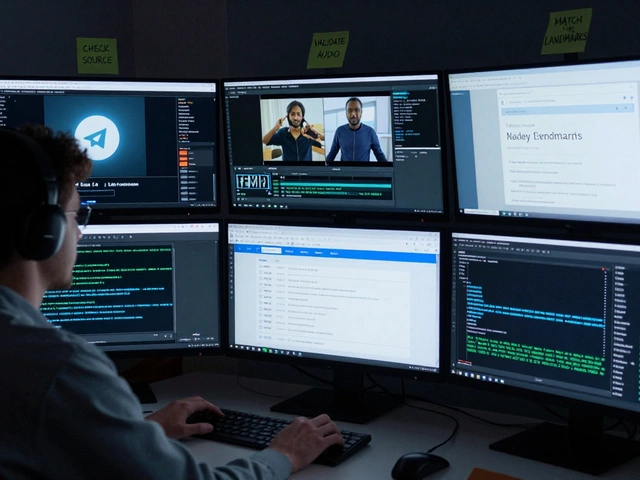
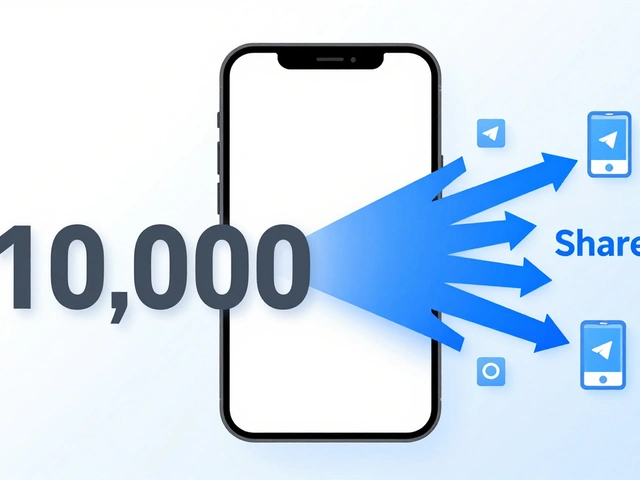
Ever feel like you're drowning in a sea of unread messages? If you manage a busy community or a news channel, you know the struggle. You open a group and see "1,200 unread messages," and suddenly your morning is gone just trying to figure out what actually happened while you were away. For editors and community managers, this isn't just annoying-it's a productivity killer. Fortunately, Telegram AI summaries have evolved from clunky third-party scripts to streamlined tools that can turn a three-hour scrolling session into a five-minute read.
The New Standard: Native Telegram AI
Starting in early 2026, the game changed. Telegram is a cloud-based instant messaging service that has integrated native AI summarization features. Instead of hunting for external bots, editors can now get instant recaps of long posts in channels. This is a lifesaver for those tracking breaking news or high-volume discussion threads.
What's interesting here is the plumbing. These official summaries run on Cocoon, a decentralized network designed to keep data private through secure encryption. This means your editorial discussions aren't just feeding a giant corporate model in the open; the privacy layer is baked into the architecture. You'll also notice that Instant View pages now feature these AI summaries right at the top, allowing you to grasp the core of an article before you even click through.
Specialized Tools for Editorial Control
Native tools are great for a quick glance, but professional editors often need more "surgical" precision. You might not care about the general vibe; you might specifically need to know if customers are complaining about a competitor or if a specific deadline was agreed upon. This is where third-party automation comes in.
Junction Bot is a powerhouse for this. It doesn't just summarize; it lets you use custom prompts. Instead of a generic "here is what happened," you can tell the bot to "only list urgent tasks and skip the chatter." It can process over 1,000 messages in about five minutes. For an editor, this transforms the workflow from manual surveillance to targeted intelligence gathering.
Then there's Metricgram, which focuses more on the "health" of the discussion. It provides activity summaries that highlight key decisions, unanswered questions, and the most active contributors. If you're running a weekly editorial meeting, a Metricgram report can replace 30 minutes of manual digging with a two-minute brief that tells you exactly where the community is stuck.
| Tool | Best For | Key Feature | Setup Complexity |
|---|---|---|---|
| Telegram Native | Quick recaps | Privacy via Cocoon network | None (Built-in) |
| Junction Bot | Targeted extraction | Custom AI prompts | Low (Bot configuration) |
| Metricgram | Community health | Tracking unanswered questions | Low (SaaS dashboard) |
| n8n | Complex workflows | Custom API integration | Medium (Workflow builder) |

Advanced Automation with n8n and Open Source
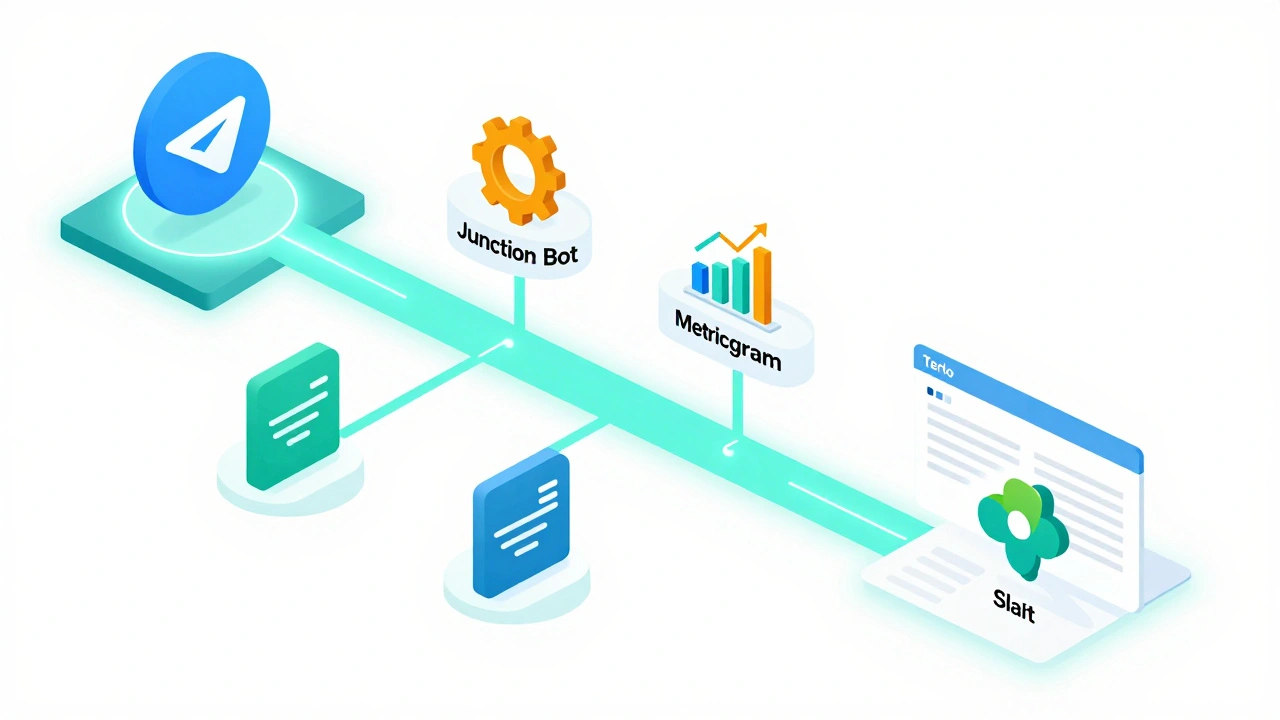
For those who want to build a custom editorial pipeline, n8n offers a way to chain events together. Using the Telepilot integration, you can create a workflow that monitors a chat, triggers a summary every 24 hours, and then automatically sends that summary to a Trello board or a Slack channel for the wider editorial team. It's less about a "bot" and more about a business process.
If you're dealing with a lot of external links-PDFs, whitepapers, or long-form articles shared in chats-you might look toward agentic bots. There are open-source projects on GitHub (like those using LangGraph) that don't summarize the chat itself, but rather the content of the links shared. This prevents the "link graveyard" effect where a group shares ten interesting articles, but the editor only has time to read one.
Practical Workflow: Setting Up Your Summary System
If you're starting from scratch, don't try to automate everything at once. Start with these steps to avoid "automation noise":
- Define your goal: Do you need a general pulse of the room (Metricgram), specific data points (Junction Bot), or a quick recap of a long post (Native AI)?
- Select your source: Decide if you are monitoring public channels, private group chats, or both.
- Set the frequency: Daily summaries are best for fast-moving news; weekly summaries work better for community sentiment.
- Choose the delivery point: Do you want the summary posted back into the group for everyone to see, or sent as a private DM to the editorial lead?
Common Pitfalls to Avoid
Automation is powerful, but it's not a total replacement for human oversight. One major trap is "summarization loss," where the AI misses a crucial nuance or a sarcastic comment that completely changes the meaning of a decision. Always keep a way to jump from the summary back to the original message thread to verify critical information.
Another mistake is over-prompting. If you tell a bot to track twenty different topics, the summary becomes as long as the original chat. Stick to 3-5 core "jobs-to-be-done"-like identifying complaints, tracking decisions, and noting urgent requests-to keep the output actionable.
Will these AI tools compromise my group's privacy?
It depends on the tool. Telegram's native summaries use the Cocoon network, which encrypts requests to maximize privacy. Third-party bots require access to your messages to summarize them, so you should review their data processing agreements and only grant the permissions necessary for the bot to function.
Can I summarize messages from private chats?
Yes, tools like Junction Bot allow you to specify private chats as sources, provided the bot has been added to that chat as an administrator or member with the appropriate permissions.
What is the difference between a native summary and a custom prompt summary?
Native summaries provide a general overview of the content. Custom prompt summaries (available in tools like Junction Bot) allow you to tell the AI exactly what to look for, such as "only extract mentions of pricing」 or "summarize only the arguments against the new proposal."
How much time does this actually save an editor?
Based on data from providers like Metricgram, automation can replace 20-30 minutes of manual scrolling per day with a 2-minute summary. For high-volume channels, tools can synthesize 1,000+ messages in under 5 minutes.
Can these tools organize discussions into topics?
While summarization condenses text, tools like Telegram Auto-Topic specifically help by creating actual forum topics from messages, which works alongside summaries to keep the overall workspace organized.
Next Steps for Editorial Teams
If you're managing a small team, start with the native Telegram AI features to see if they meet your needs. For those overseeing complex communities, try a trial of Junction Bot to experiment with custom prompts. If you already have a tech stack involving various apps, look into n8n to integrate your Telegram summaries directly into your project management software.
Latest Posts