For years, newsrooms measured success by likes, shares, and follower counts. But on Telegram, those numbers lie. A channel with 2 million subscribers might have an engagement rate below 1%, while another with 200,000 subscribers could be moving stories across borders through personal forwards. If you're running a news channel on Telegram, you're not just broadcasting-you're building a trusted network. And the old metrics won’t tell you if that network is healthy, accurate, or impactful.
Why Subscriber Count Is the Wrong North Star
Telegram’s growth has been explosive. Over 1.2 million active news channels now operate on the platform, with the biggest-like Middle East Monitor-hitting 18 million subscribers. But here’s the problem: subscriber count doesn’t equal influence. During the Israel-Hamas conflict, some channels saw subscriber growth over 300% in months. Yet their Engagement Rate by Reach (ERR) dropped from 5% to under 2%. Why? Because people were subscribing out of fear or curiosity, not trust. They weren’t reading. They weren’t sharing. They were just hoarding content. The truth is, Telegram doesn’t care about your subscriber count. It doesn’t rank content. It doesn’t push posts to non-subscribers. If your audience doesn’t forward your message, it dies in their feed. That’s why the most successful news channels now track one thing above all: forward rate. When someone forwards your post, they’re betting their own credibility on your reporting. That’s real engagement. That’s trust in action.What Actually Moves the Needle: ERR, CCI, and Forwarding
Forget impressions. Forget click-throughs. On Telegram, three metrics tell the real story:- Engagement Rate by Reach (ERR): This is (reactions per post ÷ reach per post) × 100%. Top channels maintain 3.5-7.5%. The platform average? 1.8%. If your ERR is below 2%, your content isn’t resonating-it’s just filling space.
- Channel Citation Index (CCI): This measures how often other channels quote or repost your content. A high CCI means you’re seen as a source, not just a broadcaster. Middle East Eye increased its CCI by 40% in 2024 by publishing verified, timestamped updates-even when they contradicted popular narratives.
- Forward Rate: The average news post gets forwarded 1.2% of the time. But channels with strong community trust hit 3-5%. That’s not a vanity number. It’s a signal that your reporting is being passed along as truth.
The Silent Crisis: Misinformation Spreads Faster Than Corrections
Telegram’s biggest weakness isn’t its tech-it’s its silence. When you correct a post, no one gets notified. No alert. No banner. No headline. Your audience might never see the update. In 2024, a major channel published a false casualty count during the Gaza conflict. It spread across 87 other channels. When they corrected it three days later, only 28% of the original audience ever saw the update. That’s the platform average. Top channels now track something called correction propagation rate. They manually tag corrected posts with #UPDATE and monitor how many users view the new version versus the original. The best achieve 60% correction reach. The rest? They’re spreading lies with a footnote. This isn’t just a technical problem. It’s an ethical one. If you’re not measuring how well your corrections land, you’re not doing journalism-you’re broadcasting noise.Who’s Getting It Right: The Ethical Metrics Movement
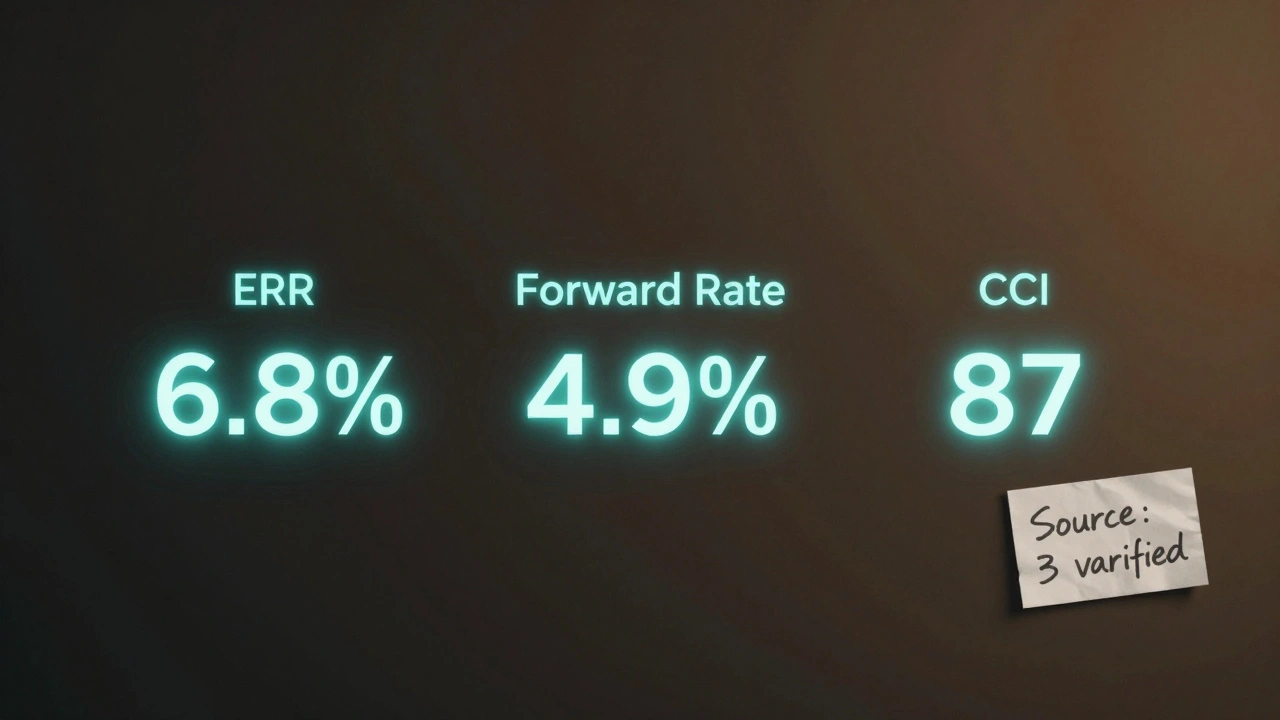
In March 2025, the International Journalists’ Network launched the Telegram Journalism Metrics Charter. So far, 87 newsrooms have signed on. They’ve agreed to report three things publicly: ERR, correction rate, and source verification score. That last one? It’s simple. For every post, they rate how many sources were used: one? 1 point. Three verified? 3 points. No sources? 0. One of the first adopters was Ukraine’s independent news hub, InformNapalm. In 2023, their ERR was 3.1%. They started publishing source scores and reducing sensational headlines. By mid-2025, their ERR climbed to 6.8%. Subscriber growth? Only 8%. But their forward rate jumped from 2.1% to 4.9%. Their audience didn’t grow-they deepened. Compare that to a channel that doubled its subscribers during the war but saw ERR collapse. That’s not growth. That’s contamination.
Tools You Can Actually Use (Without Breaking the Bank)
You don’t need a $99/month analytics suite to get started. Here’s what works:- TGStat (free tier): Tracks views, reactions, and basic forward data. Good for beginners.
- Popsters (free): Simple, clean interface. Shows daily engagement trends. Takes 5 hours to learn.
- Manual tracking: Copy-paste your post links into a spreadsheet. Track how many times they’re shared in public groups. You’ll spot patterns faster than any tool.
The Future Isn’t Just Numbers-It’s Accountability
By 2027, regulators in the EU and beyond will require news channels to prove their content’s accuracy-not just its reach. The Digital Services Act is coming. And when it does, channels that only track subscribers will be flagged. Those that track correction rates, source transparency, and forward trust will be trusted. This isn’t about becoming a data scientist. It’s about becoming a responsible publisher. If your metrics don’t reflect truth, they’re not metrics-they’re illusions. The most powerful number in Telegram journalism isn’t your subscriber count. It’s the number of people who look at your correction and say, “I believe you.” That’s the only metric that matters.What’s the most important metric for Telegram news channels?
The most important metric is the forward rate-the percentage of your audience that actively shares your content. Unlike likes or views, forwarding means someone is risking their own credibility to spread your reporting. Top channels maintain a forward rate of 3-5%, while the platform average is just 1.2%. High forward rates signal trust, not just reach.
Why is subscriber count misleading on Telegram?
Subscriber count doesn’t measure engagement or trust. During crises like the Israel-Hamas war, many channels saw subscriber numbers spike as people joined out of fear or curiosity. But their Engagement Rate by Reach (ERR) dropped sharply, meaning most subscribers weren’t reading or sharing. A channel with 2 million subscribers and low ERR is just a digital billboard-not a news source.
How do I track if my corrections are actually seen?
Telegram doesn’t notify users when you edit a post. To track correction reach, manually tag updates with #UPDATE and compare views of the original post versus the corrected version. Top channels achieve 45-60% correction reach. The platform average is only 28%. If fewer than half your audience sees your fix, you’re still spreading misinformation.
Are there free tools to analyze Telegram news channels?
Yes. TGStat’s free tier tracks views, reactions, and basic forwards. Popsters offers a simple, free dashboard with daily engagement trends. Both take less than a week to learn. For deeper analysis, you can manually track shares by copying your post links into a spreadsheet and checking where they appear in public groups. No paid tool is required to start measuring what matters.
What’s the Channel Citation Index (CCI), and why does it matter?
The Channel Citation Index (CCI) measures how often other Telegram channels quote or repost your content. A high CCI means you’re being treated as a trusted source, not just another news feed. Channels with strong CCI-like Middle East Eye-gain influence without needing massive subscriber numbers. It’s a proxy for journalistic authority on a platform where algorithms don’t rank content.
How can I improve my Engagement Rate by Reach (ERR)?
Focus on clarity, verification, and consistency. Posts with clear headlines, verified sources, and timestamps get higher ERR. Avoid sensationalism-even if it drives short-term views. Channels that reduced sensational headlines by 30% saw ERR rise by 22% over six months. Also, engage with comments. Responding to questions builds trust, which leads to more reactions and forwards.
Is Telegram journalism growing faster than traditional media?
Yes. Since 2022, Telegram news channel subscriptions have grown at 35% annually. In conflict zones like Ukraine and Iran, independent channels grew by over 140% and 200% respectively during 2023-2025. Reuters, BBC, and Al Jazeera now run multiple Telegram channels that collectively reach 42 million subscribers. Telegram now captures 22% of alternative news distribution, surpassing Twitter/X in conflict regions according to the Reuters Institute Digital News Report 2025.