Imagine being thousands of miles away from home, watching a crisis unfold in your country through fragmented reports on mainstream TV. Now imagine having a direct line to the truth-updates from neighbors back home, practical advice on navigating bureaucracy in your new city, and real-time alerts about safety risks. This is not a futuristic scenario; it is the daily reality for millions of people using Telegram news channels, which are broadcast platforms that allow unlimited subscribers to receive messages, media, and updates from admins without algorithmic filtering.
For diaspora communities, these channels have become more than just social media groups. They are lifelines. Whether you are an exiled journalist, a refugee seeking housing, or a family member trying to stay connected, Telegram has emerged as the primary infrastructure for transnational communication. But with great reach comes significant risk. Understanding how to use this tool effectively-and safely-is critical for anyone serving or belonging to a displaced community.
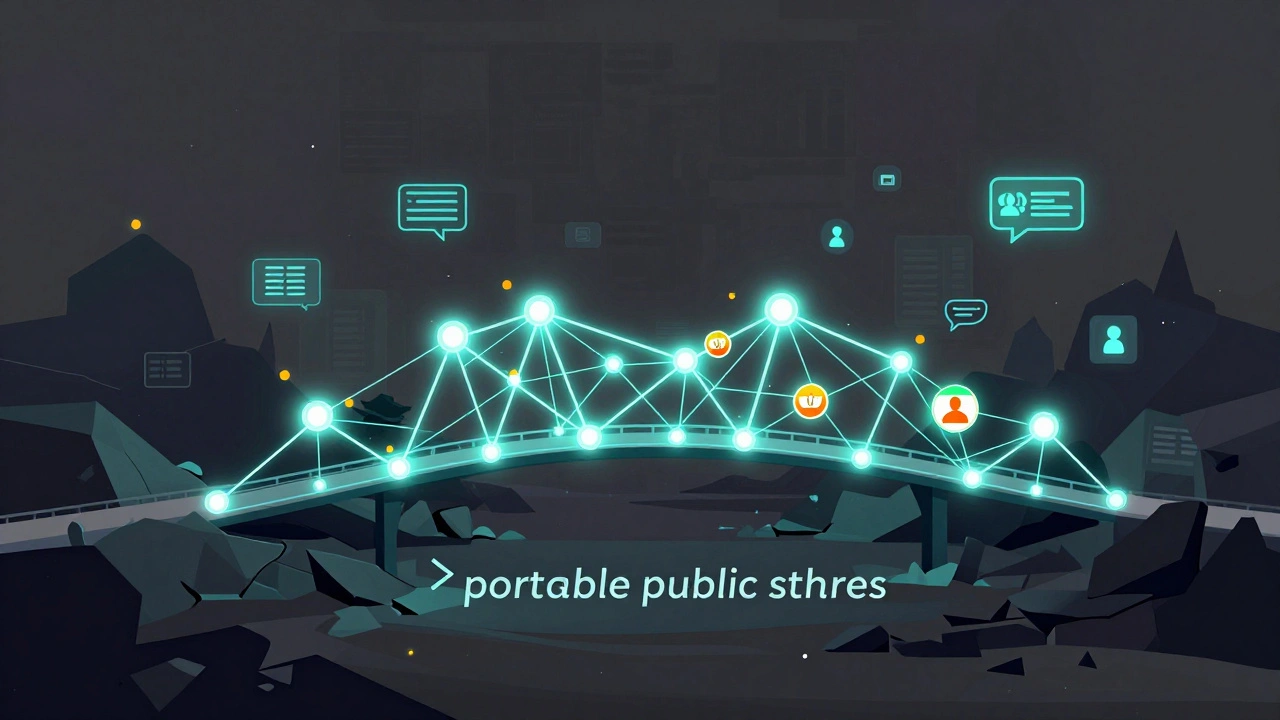
The Rise of Portable Public Spheres
Since its launch in 2013 by Pavel Durov and Nikolai Durov, Telegram has evolved from a secure messaging app into a global broadcasting platform. The introduction of public channels in 2015 changed everything. Unlike Facebook pages, which rely on opaque algorithms to decide who sees your content, Telegram delivers every post chronologically to everyone who subscribes. There is no down-ranking. If you subscribe, you see it.
This simplicity makes Telegram uniquely powerful for diaspora media. In countries like Iran, Russia, Belarus, and Ukraine, traditional media is often censored or state-controlled. Telegram offers a "news loophole." As noted in research published in *New Media & Society* (2022), channels run by outlets like BBC Persian, Voice of America Farsi, and Radio Farda bypass government firewalls using proxies and VPNs. They create what scholars call "portable alternative media"-information that travels with the user across borders.
The scale is massive. By early 2023, Telegram reported over 800 million monthly active users. For diaspora communities, this means access to an audience that is already there, waiting for reliable information. You do not need to build a website first or fight for ad space. You just need a channel link and a reason for people to trust you.
Why Diaspora Communities Choose Telegram Over Other Platforms
You might wonder why Telegram beats out WhatsApp, Facebook, or email newsletters for serious news distribution. The answer lies in specific technical features that align perfectly with the needs of displaced populations.
- Broadcast Scale: Telegram channels support unlimited subscribers. WhatsApp groups cap at 1,024 members. For a news outlet or community hub aiming to reach tens of thousands, WhatsApp is simply too small.
- Low Friction Onboarding: Joining a Telegram channel requires only a click on a link. No mutual contacts needed. No complex sign-up forms. This is crucial in crisis situations where speed matters.
- Anonymity and Privacy: Users can hide their phone numbers and use pseudonyms. In authoritarian contexts, this relative anonymity protects subscribers from surveillance and retaliation.
- No Algorithmic Feed: On TikTok or Facebook, your news is curated by an AI designed to keep you scrolling. On Telegram, you control your feed. You subscribe to what you want, and nothing else appears unless you choose it.
- Resilience to Blocking: Telegram’s built-in proxy support allows users to circumvent internet restrictions. While governments try to block the app, users often find ways around it faster than they can with other platforms.
However, this freedom comes with trade-offs. The lack of algorithmic discovery means you cannot "go viral" organically. Growth relies heavily on word-of-mouth, cross-promotion, and offline networks. For established brands like Meduza or NEXTA, this consolidates loyal audiences. For new grassroots projects, building an initial subscriber base can be slow and labor-intensive.
Real-World Examples: From Iran to Ukraine to the Russian Diaspora
To understand the impact of Telegram news channels, look at three distinct cases where these tools reshaped information flows.
Iran: A 2021 study analyzed 400 top posts from major Persian-language Telegram channels. Politics accounted for over 50% of the content. These channels did not just report news; they provided analysis and human rights coverage that was banned domestically. For Iranians inside the country, these channels were often the only source of uncensored information. For the diaspora, they served as a bridge to maintain political engagement and cultural identity.
Ukraine: Before the full-scale invasion in February 2022, only 20% of Ukrainians used Telegram for news. Within months, that number tripled to 60%. Internally displaced persons (IDPs) and those abroad relied on local hometown channels for real-time updates on shelling, curfews, and border crossings. Telegram became a hybrid tool: part news aggregator, part humanitarian aid coordinator, part community bulletin board.
Russian Diaspora: After 2022, many Russian journalists and activists fled to Georgia, Armenia, Lithuania, and beyond. Projects like Volna in Vilnius launched Telegram channels to serve Russian-speaking residents. They posted daily news digests, "Lithuanian word of the day" lessons, and guides on municipal services. These channels mediated between the new host society and the displaced community, helping migrants integrate while keeping them informed about events back home.

The Hidden Risks: Security, Misinformation, and Burnout
While Telegram offers incredible benefits, it is not a utopia. Serving diaspora communities via this platform involves navigating serious risks that often go unmentioned in promotional materials.
Security Vulnerabilities: Telegram channels are not end-to-end encrypted. Messages are stored on Telegram’s servers, which are controlled by Telegram FZ-LLC in Dubai. Security researchers at Citizen Lab and Amnesty Tech warn that Telegram should not be considered as secure as Signal for sensitive communications. In repressive regimes, merely subscribing to certain opposition channels can attract attention from security services. Authorities have arrested individuals based on Telegram activity. Always advise your community to minimize personal data sharing and use disclaimers about potential risks.
Misinformation and Panic: The same low barrier to entry that allows independent journalists to publish also enables conspiracy theorists and propaganda outlets to spread fake news. During crises, panic-inducing rumors can spread rapidly. A 2023 overview in *Skhidnoievropeiskyi Istorychnyi Visnyk* highlighted that while mainstream outlets like BBC and Reuters maintain high standards on Telegram, many grassroots channels lack editorial verification. Readers must cross-check information with multiple sources.
Operator Burnout: Running a high-quality diaspora channel is exhausting. It requires constant monitoring, translation, verification, and emotional labor. Many projects are run by teams of three to ten volunteers with minimal funding. Without sustainable revenue models, burnout is common. Unlike YouTube, Telegram does not offer built-in ad revenue sharing. Most channels rely on grants, donations via Patreon, or cryptocurrency tips.
| Feature | Telegram | ||
|---|---|---|---|
| Max Subscribers/Members | Unlimited | 1,024 (Groups) | Unlimited (Pages) |
| Algorithmic Feed | No (Chronological) | N/A | Yes (Opaque) |
| Public Discovery | High (Searchable Links) | Low (Invite Only) | Medium (Search + Ads) |
| Censorship Resistance | High (Proxy Support) | Medium | Low (Often Blocked) |
| Monetization | None (Donations/Grants) | None | Ads/Sponsorships |
Best Practices for Launching and Managing a Channel
If you are considering starting a Telegram news channel for your community, here is a practical guide to doing it right.
- Define Your Niche Clearly: Are you providing breaking political news? Practical migration advice? Local event listings? A clear focus helps attract the right audience and builds trust. Generalist channels often struggle to stand out.
- Establish Editorial Standards: Even if you are a small team, create guidelines for verification. Cite sources. Correct errors publicly. Transparency builds credibility in an environment rife with misinformation.
- Prioritize User Safety: Include warnings in your bio or pinned messages about digital hygiene. Advise users not to share personal photos or locations in comments. Consider linking to a private discussion group rather than open comments to reduce harassment.
- Diversify Your Platform Strategy: Do not rely solely on Telegram. Cross-post key updates to Twitter/X, Instagram, or a website. This protects you if Telegram is blocked in your target region and helps with discoverability.
- Plan for Sustainability: Explore funding options early. Apply for grants from organizations like Internews or DW Akademie. Set up transparent donation mechanisms. Remember, volunteer energy is finite; financial stability ensures longevity.
Launching a channel takes minutes. Building a trusted community takes months of consistent, ethical work. Start small, listen to your audience, and always prioritize their safety over sensationalism.
Is Telegram safe for sensitive communications in authoritarian regimes?
No, Telegram channels and standard chats are not end-to-end encrypted. Messages are stored on Telegram's servers. For highly sensitive communications, use apps like Signal or Wire. However, Telegram remains valuable for broadcast news due to its resilience against blocking and large reach. Always advise users to avoid sharing personally identifiable information in public channels.
How can I monetize a Telegram news channel?
Telegram does not offer built-in ad revenue sharing. Most successful channels rely on external funding sources such as grants from media development organizations, direct donations via Patreon or cryptocurrency, and occasional sponsored content from aligned brands. Building a loyal community that values your work is essential for securing these funds.
What is the difference between a Telegram channel and a group?
Channels are one-to-many broadcasts where only admins can post, and subscribers can number in the millions. Groups are many-to-many discussions where all members can chat, capped at 200,000 members. For news distribution, channels are preferred because they prevent spam and ensure chronological delivery of official updates.
Can governments block Telegram channels?
Governments can attempt to block Telegram entirely or specific channel links. However, Telegram's built-in proxy support and ease of URL mirroring make it difficult to block completely. Users often switch to alternative domains or use VPNs. This resilience makes Telegram a popular choice in censored environments like Iran and Russia.
How do I verify information shared on diaspora Telegram channels?
Always cross-reference information with multiple trusted sources. Look for channels that cite original documents, video evidence, or established news outlets. Be wary of emotional language or unverified claims. Reputable channels will correct errors openly and provide context. If possible, consult fact-checking organizations specific to your region.
Latest Posts