Sending the same news blast to 50,000 subscribers is a fast track to high unsubscribe rates. In the world of instant messaging, a one-size-fits-all approach feels like spam. To keep people from muting your channel, you need to stop broadcasting and start narrowcasting. Telegram audience segmentation is the process of dividing your subscribers into smaller groups based on their behavior, interests, and personal traits. By doing this, you can send a deep dive on economic policy to the finance geeks and a quick summary of local events to the casual readers, ensuring everyone gets what they actually want.
The Danger of the "Average" Subscriber
Most news publishers make the mistake of designing content for an "average" reader. The problem is that the average reader doesn't exist. You might have a channel dedicated to urban development, but some of your followers are professional architects while others are just people hoping to find a new apartment. If you treat them the same, you'll bore the pros and overwhelm the amateurs.
Effective segmentation allows you to distinguish between active interest and passive proximity. Just because someone joined a news channel doesn't mean they care about every story you post. Knowing who isn't interested is just as valuable as knowing who is; it prevents you from wasting your energy and budget on segments that will never convert or engage.
Mapping Your Audience Demographics
Before you dive into complex behavior tracking, start with the basics. User Demographics are the foundational traits of your audience. While Telegram is more private than Facebook, you can still gather critical data on age, language, and location through polls, sign-up forms, or third-party integrations.
However, demographics are just the skeleton. To make your audience portraits real, you need to build composite images. Instead of saying "our audience is 25-35 year olds," try defining them as "young urban professionals seeking career insights" or "rural communities focused on agricultural development." This shift in perspective changes how you write your headlines and when you hit the send button.
Decoding Engagement Metrics
If demographics tell you who the person is, engagement metrics tell you what they actually do. You can't rely on subscriber counts-those are vanity metrics. To truly segment your news audience, you need to look at how they interact with your posts.
Message Engagement focuses on three primary data points: open rates, response frequency, and click-through rates (CTR). A user who clicks every link but never comments is a "consumer," while someone who replies to every poll is a "community driver." By grouping users based on these patterns, you can send targeted re-engagement messages to the quiet ones and exclusive "insider" content to the power users.
| User Action | Inferred Interest | Segment Category |
|---|---|---|
| Saves & Forwards | High value, reference material | Knowledge Seekers |
| Link Clicks | Direct curiosity, conversion intent | Active Readers |
| Reactions & Polls | Low-effort agreement/opinion | Passive Supporters |
| Comments & Questions | Deep engagement, desire for dialogue | Community Advocates |
Segmenting by Topic Preference
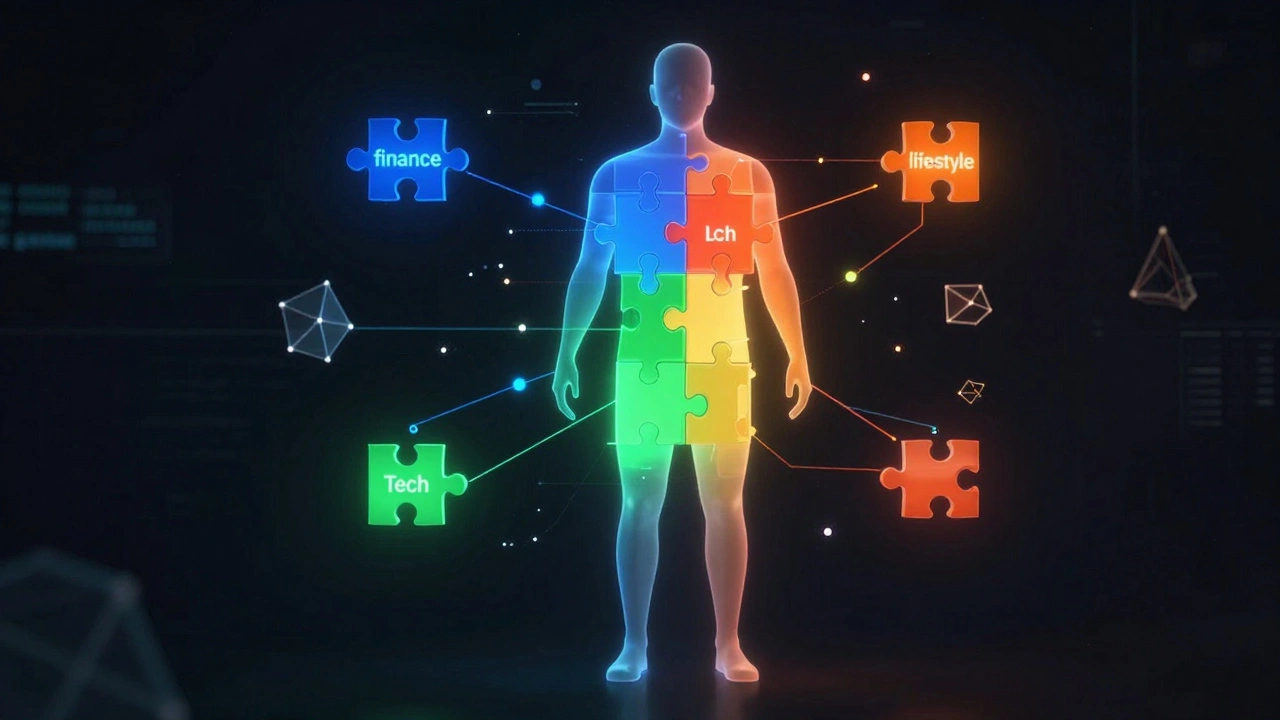
For a news organization, the most powerful way to slice an audience is by topic. You can't expect a sports fan to care about a 2,000-word analysis of tax law. The goal is to identify which specific content categories drive the most action for different users.
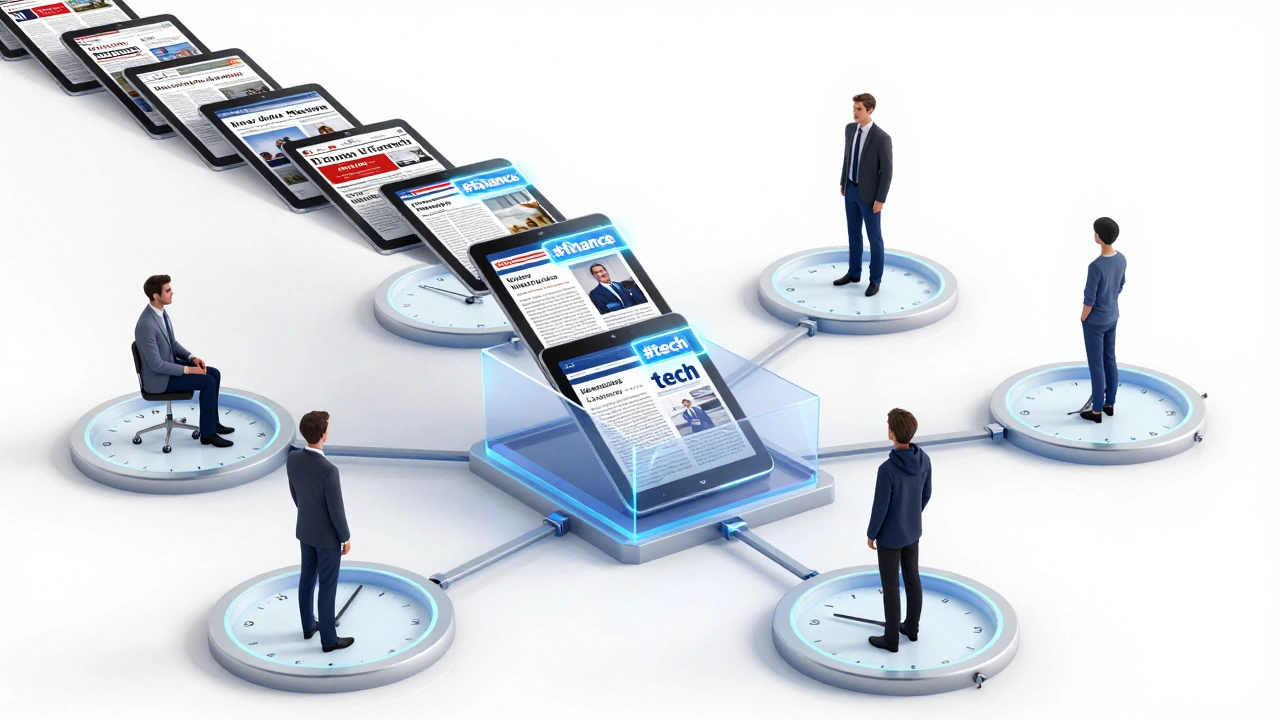
Modern tools now allow for Automatic Tagging. This is where AI analyzes the content of your messages-tagging a post about the stock market as #finance and a post about a new gadget as #tech-and then tracks which users interact with those specific tags. If a subscriber consistently engages with #finance tags, they are automatically moved into the Finance segment. This removes the manual labor of sorting users and allows for dynamic shifts; if a user suddenly starts clicking on #education tags, their profile updates in real-time.
The Role of Timing and Temporal Patterns
When you post is almost as important as what you post. Different segments have different "peak hours." Your corporate professional segment might check Telegram during their 8 AM commute or their 12 PM lunch break. Meanwhile, your Gen Z student segment might be most active at 11 PM.
By analyzing the timing patterns of your segmented groups, you can schedule your news drops for maximum impact. This is especially critical for breaking news. If you know your "high-alert" segment is most active on mobile during the evening, you can prioritize those alerts to ensure they see the news before it hits the mainstream media the next morning.
Tools for Automating Your Strategy
Doing this manually in a spreadsheet is a nightmare once you pass 1,000 subscribers. You need a stack that integrates with the Telegram API. Tools like CRMChat provide the ability to track demographic data and response frequencies, often plugging into Zapier to sync with other platforms.
For those focused on advertising and growth, Conoted is a strong choice because it automates the tagging process and connects directly with Telegram Ads. This allows you to take a segment-say, "People interested in Web3"-and use that data to run hyper-targeted ad campaigns without guessing who your target is.
Common Pitfalls to Avoid
While segmentation is powerful, it's easy to overdo it. If you create 50 different micro-segments, you'll spend all your time managing lists and no time writing news. The "Economic Viability" rule applies here: only create a segment if you have enough people in it to justify the extra effort of creating unique content.
You also have to be mindful of privacy. Telegram users value their anonymity. Avoid asking for overly personal data in ways that feel intrusive. Instead, rely on behavioral data-what they click, what they share, and how they react-which is far more accurate than what they tell you in a survey anyway.
Will segmenting my audience lead to more unsubscribes?
Actually, the opposite is true. Most people unsubscribe because of "content fatigue"-receiving too much irrelevant information. By only sending news that matches their interests, you increase the perceived value of every message, which typically lowers your churn rate.
How often should I update my audience segments?
Interests shift. A user might be obsessed with election news for six months and then completely lose interest. If you use automated tools like Conoted or CRMChat, segmentation happens dynamically. If doing it manually, review your segment engagement every quarter to see if certain groups have gone dormant.
Can I segment users without using third-party bots?
It's difficult but possible. You can use Telegram's built-in poll feature to ask users which topics they prefer and then manually note the responses. However, this is slow and doesn't capture actual behavior, only what users claim they like.
What is the best way to start segmenting if I have a small channel?
Start with 2-3 broad categories based on your most popular posts. Use a simple poll to let users "opt-in" to specific topic alerts. This builds a foundation of known interests before you invest in expensive AI tagging software.
Does blockchain activity really matter for news segmentation?
For general news, no. But if you are a financial or tech news outlet, transaction history and wallet activity are huge indicators of interest. A user who holds specific tokens is far more likely to engage with Web3 news than someone who doesn't, making it a high-signal data point for that niche.
Next Steps for News Publishers
If you're just starting, don't buy a complex CRM today. First, look at your last 30 days of posts. Which ones got the most forwards? Which ones got the most clicks? That's your first hint at your natural segments. Once you identify those themes, run a poll asking your audience to choose their top three interests. Once you have that data, you can start experimenting with tailored messaging and slowly move toward automated tools as your channel grows.
Latest Posts