Source Protection on Telegram: Secure News Distribution and Privacy Tactics
When you're sharing sensitive information on source protection, the practices and tools used to safeguard the identity of information providers, especially in high-risk environments. Also known as source confidentiality, it's the backbone of investigative journalism on platforms like Telegram. Unlike Twitter or Facebook, Telegram doesn’t force public engagement or track who reads what—making it a lifeline for whistleblowers, activists, and journalists in censored regions. But source protection here isn’t automatic. It’s built through settings, habits, and understanding what Telegram does—and doesn’t—do to keep you safe.
Telegram’s Telegram privacy, the platform’s approach to user data control, encryption, and data sharing policies is a double-edged sword. End-to-end encryption only works in Secret Chats, not in public channels where most news spreads. That means if a source sends a document to a news channel, Telegram can’t protect it from server-side access. Yet, many still rely on it because channels don’t require phone numbers to join, and admins can hide their own identities. This anonymity is why groups like citizen journalists in Belarus or reporters in Hong Kong use Telegram—not because it’s perfectly secure, but because alternatives are worse.
Telegram channels, one-way broadcasting platforms used by newsrooms, activists, and influencers to reach large audiences without replies or comments are where most source protection happens in practice. A journalist might post a leak from a hidden account, using a bot to strip metadata, or send files through encrypted cloud storage links. But bad actors do the same. Fake channels impersonate real ones to trap sources. That’s why source credibility, the trustworthiness of a news source based on verification, history, and transparency matters more than ever. Verified badges don’t guarantee safety, but consistent posting, clear sourcing, and avoiding sensationalism help audiences tell real from fake.
And then there’s Telegram encryption, the protocol used to secure messages, with end-to-end encryption limited to Secret Chats and not applied to cloud-based channels or groups. Most users think Telegram is fully encrypted. It’s not. If a source uploads a document to a public channel, it’s stored on Telegram’s servers—accessible if the company is legally forced to hand it over. That’s why top news teams now use Telegram alongside Signal or secure file drop services. They treat Telegram like a broadcast tool, not a secure inbox.
Source protection on Telegram isn’t about one setting. It’s a chain: how you verify your source, how you hide your identity, how you format your posts, and how you respond when someone tries to impersonate you. The posts below show real-world examples—how newsrooms are building secure workflows, how users spot fake channels, how bots help scrub metadata, and why some journalists are leaving Telegram entirely after law enforcement requests started forcing handovers. You won’t find magic fixes here. But you’ll find what actually works when the stakes are real.

- 19/Jan/2026
- by Greg Bush
-
 Telegram security
source protection
investigative journalism
secret chats
Signal vs Telegram
Telegram security
source protection
investigative journalism
secret chats
Signal vs Telegram
Protecting Sources on Telegram: Security Protocols for Investigative Reporting
Telegram is widely used by journalists, but its lack of default encryption makes it dangerous for source protection. Learn why Signal is the only safe choice-and how to use Telegram responsibly for open-source research without risking lives.
Read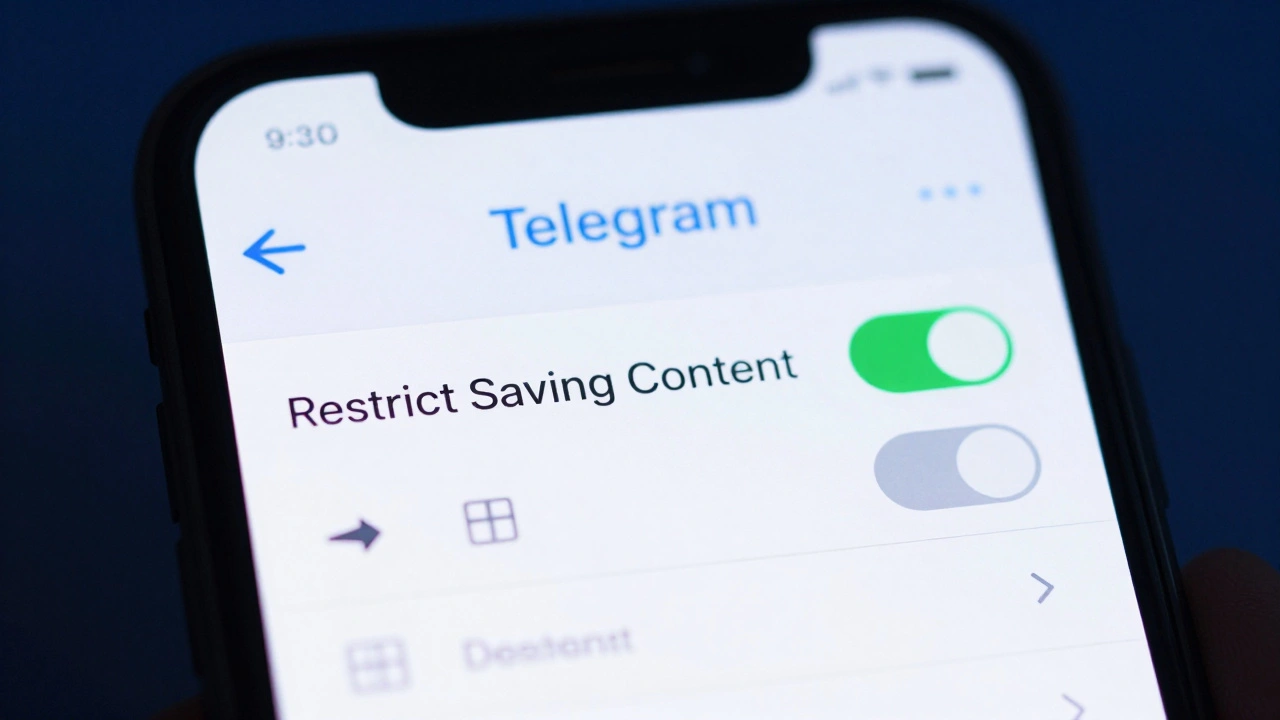
- 17/Jan/2026
- by Greg Bush
-
Telegram link forwarding
source protection
restrict saving content
Telegram news channels
content protection
How Telegram Protects News Content from Unauthorized Forwarding and Saving
Telegram's Restrict Saving Content feature helps news channels limit forwarding and media saving, but it's not foolproof. Learn how it works, what it can't stop, and how top publishers combine it with watermarks and subscriptions to protect their work.
Read
- 2/Dec/2025
- by Greg Bush
-
Telegram compliance
news organization security
Telegram policy change
journalist communication
source protection
How Telegram’s Updates Affect Compliance for News Organizations
Telegram’s 2024 policy shift now allows it to share user data with law enforcement, forcing news organizations to rethink how they protect sources. Here’s what changed, how outlets are responding, and what journalists must do now.
Read