Telegram data sharing: What it really means for privacy, news, and your account
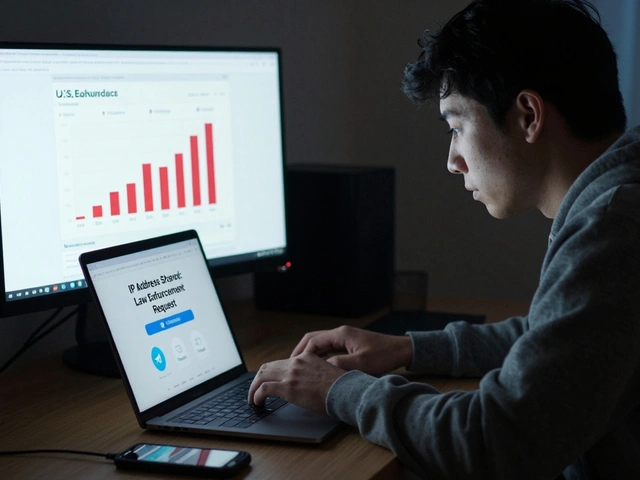
When you hear Telegram data sharing, the process by which Telegram may provide user information to authorities under legal pressure, it’s easy to think this is just another tech company giving in to governments. But it’s not that simple. Telegram’s whole identity was built on being the app that didn’t hand over data—until 2024, when it quietly changed its stance. Now, Telegram compliance, the set of legal obligations Telegram must follow in different countries means it can share IP addresses, phone numbers, and even message metadata with law enforcement if presented with a valid court order. This shift didn’t come out of nowhere. It was forced by pressure from the EU, India, Brazil, and others who demanded accountability for illegal activity on the platform. And suddenly, the tool journalists and activists used to protect sources is now a potential risk.
This change hits hardest in places where Telegram user data, personal information linked to accounts including contacts, join dates, and device details is the only thing standing between a dissident and prison. Newsrooms that once trusted Telegram for secure reporting now have to ask: Is this channel really safe? Is that source still anonymous? The answer isn’t yes or no—it’s "it depends." Channels with end-to-end encrypted chats (Secret Chats) are still protected. But public channels, group admins, bots, and even forwarded messages leave digital footprints. And with Telegram privacy, the combination of encryption, anonymity, and limited moderation that defines user control on the platform now being eroded in key markets, the line between freedom and exposure is thinner than ever. Creators who built audiences on the promise of no tracking are now scrambling to update their safety guides. Some are moving to Signal. Others are teaching followers how to use VPNs, disable cloud backups, and turn off auto-download.
What’s clear is that Telegram data sharing isn’t just about privacy—it’s about power. Who controls the flow of information when the platform can be compelled to reveal who’s talking to whom? News channels that once thrived on anonymity now face legal risks just by existing. Journalists in authoritarian states are being tracked through their Telegram activity. Even regular users who joined a political group or followed a breaking news channel might now be on a list. The same features that made Telegram a haven for free speech—no algorithm, no likes, no ads—are now being used to map out networks of dissent. And the people who built these communities didn’t sign up for this.
Below, you’ll find real guides from creators, journalists, and analysts who’ve lived through this shift. They’ve mapped out exactly what data Telegram collects, how to minimize exposure, which countries are forcing handovers, and how to spot when your channel is being targeted. No fluff. No theory. Just what works today.
- 6/Dec/2025
- by Greg Bush
-
 Telegram law enforcement
Telegram transparency
Telegram news channels
Telegram data sharing
Telegram privacy policy
Telegram law enforcement
Telegram transparency
Telegram news channels
Telegram data sharing
Telegram privacy policy
How Law Enforcement Requests Are Changing Telegram News Communities
Telegram's sudden shift in law enforcement cooperation has forced news communities to rethink security, lose subscribers, and migrate to safer platforms. Here's how the policy change is reshaping digital journalism.
ReadLatest Posts