The Shift Toward Decentralized Information
For a long time, public information relied on a top-down model. The state provided the data, and the citizens consumed it. In emerging regions, this often meant a lack of transparency or outright censorship. Telegram changes this by lowering the barrier to entry. Unlike old-school forums or encrypted networks like Tor, which require technical know-how, this platform is as easy to use as sending a text message. This accessibility allows journalists, activists, and local community leaders to bypass state-run media and reach thousands of people instantly. One of the biggest drivers here is the hybrid communication model. A single entity can run a public channel for broadcasting alerts and a private group for coordinating action. This flexibility creates a resilient network where information flows both ways. If a government shuts down a specific channel, a new one can be spun up in minutes, and the community can migrate via a simple shared link. This rapid recovery capability makes it an attractive alternative to fragile traditional media outlets.Why Emerging Markets Choose Telegram Over Alternatives
When you look at the landscape of messaging apps, you'll see a battle between WhatsApp, WeChat, and Telegram. In many emerging regions, the choice comes down to scale and openness. While WhatsApp is great for one-on-one chats, its group limits can be restrictive for mass broadcasting. Telegram's channels, however, can host an unlimited number of subscribers, essentially turning a chat app into a global broadcasting station.| Feature | Telegram | ||
|---|---|---|---|
| Broadcast Capacity | Unlimited (Channels) | Limited (Groups/Lists) | Limited (Channels) |
| Entry Barrier | Very Low | Low | Moderate (Verification) |
| Bot Integration | High (Open API) | Moderate | High (Closed Ecosystem) |
| Architecture | Cloud-based | Device-centric | Super-app / Centralized |
The Hidden Costs of Convenience
It sounds like a miracle solution, but there's a catch. The very things that make the platform scalable also make it a security nightmare for the people who need it most. Many activists and journalists in emerging regions treat Telegram as a secure vault, but that's a mistake. By default, the platform does not use end-to-end encryption for its standard chats and channels. This means the service provider has the keys to the kingdom. Research by organizations like the Organized Crime and Corruption Reporting Project (OCCRP) has raised alarms about the platform's infrastructure ties. When a region's entire public information flow runs through a system with questionable ties to state intelligence services, the risk of mass surveillance skyrockets. For someone in a high-risk zone, a leaked IP address or a piece of signaling metadata can be the difference between safety and arrest. The MTProto protocol, while fast, has been criticized by security experts for not meeting the rigorous standards of industry-leading encryption.The Risk of Information Bubbles and Fragmentation
When a private platform becomes the de facto public square, the algorithm and the owner's whims dictate what the public sees. In emerging regions, this can lead to extreme fragmentation. Because there is no central editorial board or verification process, misinformation can spread faster than truth. A single influential channel owner can steer the narrative for an entire city, creating a powerful but unaccountable source of truth. This creates a paradox. The platform breaks the government's monopoly on information, but it replaces it with a series of private monopolies. If a channel becomes the primary source of news for a million people, that channel owner possesses a level of power that rivals a traditional media mogul, but without any of the journalistic ethics or legal accountability. We see this in regions where "citizen journalists" become the only trusted source, despite having no formal training in verification.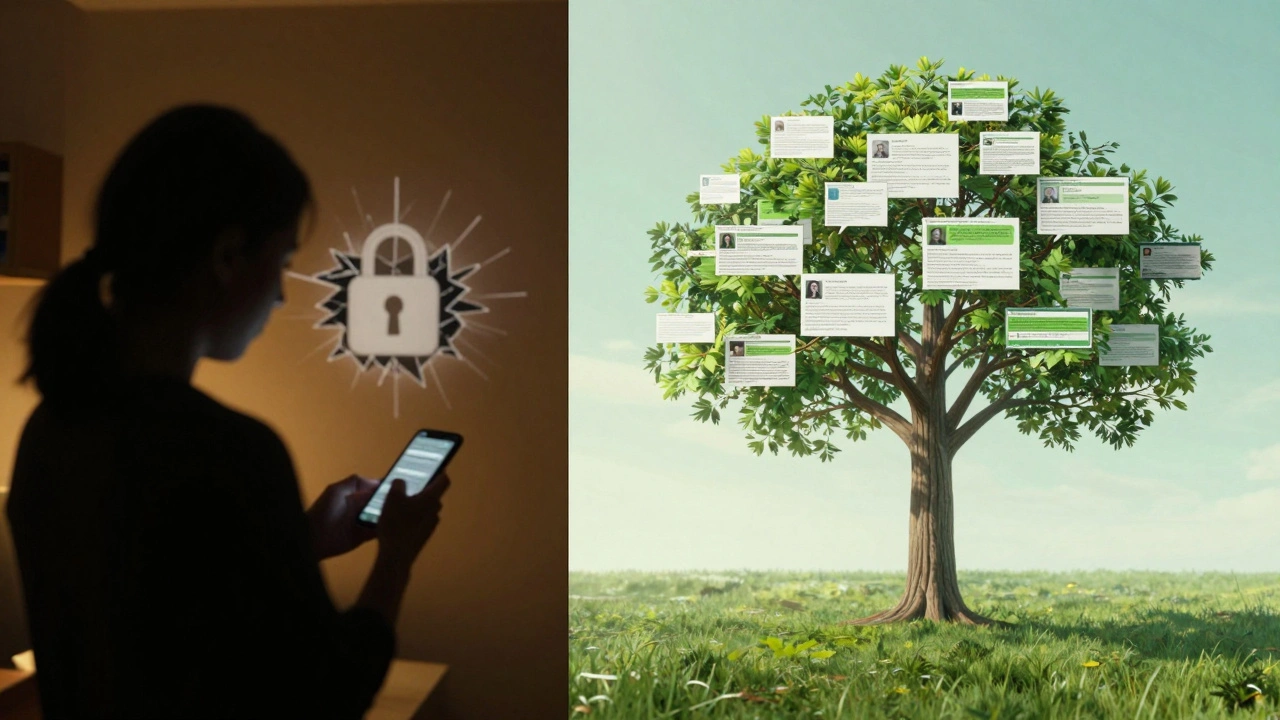
Building a Sustainable Information Model
So, how do we move from using a chat app as a stop-gap measure to building a real, sustainable information infrastructure? The first step is diversifying the stack. Relying on one app is a single point of failure. If the platform is blocked by a national firewall or changes its terms of service, the entire information network collapses. Communities should aim for a "hybrid-redundant" approach. This means using Telegram for rapid discovery and broadcasting, but moving sensitive coordination to more secure tools like Signal. Furthermore, the creation of independent archives is vital. Because Telegram content can be deleted or channels can be banned, the information needs to be mirrored on decentralized web protocols or traditional websites to ensure a permanent record exists.The Future of Digital Public Squares
As we move toward 2026, the trend of "app-ification" of public services will likely grow. We're seeing a move toward a world where the interface for the government is not a building or a website, but a chat window. In emerging regions, this leapfrogging is happening in real-time. They are skipping the "desktop web" phase and going straight to "mobile-first infrastructure." However, for this to be a net positive, there needs to be a push for more transparent data governance. The goal shouldn't be to replace one closed system with another, but to use these tools as a bridge toward true digital sovereignty. When citizens own their data and the platforms they use are interoperable, the risk of a single point of failure disappears.Is Telegram actually secure for activists in emerging regions?
Not by default. While it's popular, most of its chats are not end-to-end encrypted. For high-risk communication, it is often considered one of the least suitable platforms because it stores data on its own servers, making it vulnerable to subpoenas or surveillance if the infrastructure is compromised.
What makes Telegram different from WhatsApp for public news?
The primary difference is the "Channel" feature. Channels allow one-way broadcasting to an unlimited number of people, whereas WhatsApp groups have caps. This makes Telegram act more like a digital newspaper or radio station than just a messaging app.
How do bots help in public information delivery?
Bots can automate the delivery of critical data. For example, a bot can be programmed to pull real-time weather data or government notices and push them to users instantly, removing the need for the user to navigate a complex website or wait for a human admin to post an update.
What happens if a government blocks Telegram?
Because the platform is cloud-based and supports easy link-sharing, users often create "mirror" channels. When one is blocked, the community shares a new invite link through other means, allowing the information network to rebuild itself very quickly.
Can Telegram be used as a formal government tool?
Yes, some governments in emerging regions use it for official announcements. However, this is risky because it blends official state communication with unverified citizen content, often leading to confusion and the rapid spread of misinformation.