Category: Media & Journalism - Page 6

- 2/May/2026
- by Greg Bush
-
 Telegram poll automation
sentiment tracking
n8n workflow
Zapier Telegram bot
opinion polling
Telegram poll automation
sentiment tracking
n8n workflow
Zapier Telegram bot
opinion polling
How to Automate Telegram Poll Series for Tracking News Opinion
Learn how to automate Telegram poll series to track public opinion on news stories. Compare Zapier, dedicated bots, and AI-driven n8n workflows for effective sentiment analysis.
Read
- 2/May/2026
- by Greg Bush
-
Telegram news localization
regional audiences
digital journalism strategy
Telegram API
news distribution
How to Localize News for Regional Telegram Audiences: A Publisher's Guide
Learn how to localize news for regional Telegram audiences using cultural adaptation, local partnerships, and API tools to boost engagement and trust.
Read
- 2/May/2026
- by Greg Bush
-
Telegram news bot
bot branding
Telegram username rules
BotFather setup
news bot design
How to Name and Brand a Telegram News Bot: A Practical Guide
Learn how to name and brand a Telegram news bot effectively. From choosing the right username via BotFather to crafting a trustworthy description and visual identity, this guide covers essential steps for media professionals.
Read
- 1/May/2026
- by Greg Bush
-
multilingual Telegram news
emerging markets media
content localization
Telegram channel strategy
digital audience engagement
How to Build Multilingual Telegram News Channels for Emerging Markets
Learn how to design effective multilingual Telegram news channels for emerging markets. This guide covers strategic language selection, cultural adaptation, technical accessibility, and sustainable workflows to engage diverse global audiences.
Read
- 1/May/2026
- by Greg Bush
-
Telegram harassment
news group moderation
online safety
community guidelines
digital journalism
How to Stop Harassment in Telegram News Groups: A Moderator’s Guide
Learn how to stop harassment in Telegram news groups using proven moderation strategies, technical tools, and journalist safety protocols to protect your community.
Read
- 30/Apr/2026
- by Greg Bush
-
user-generated content
Telegram verification
citizen journalism
UGC verification
misinformation
How to Source and Verify User-Generated Content on Telegram
Learn how to source and verify user-generated content on Telegram. A guide for journalists and researchers on avoiding misinformation and using forensic tools.
Read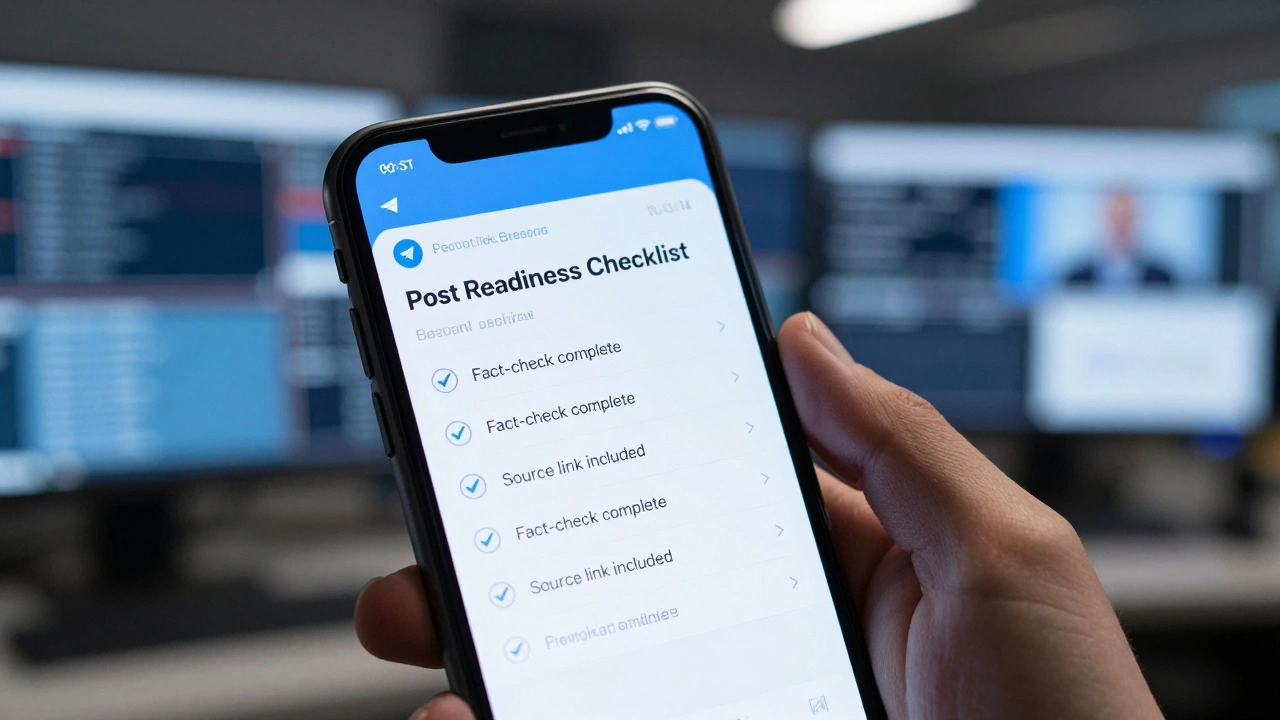
- 30/Apr/2026
- by Greg Bush
-
Telegram checklists
news post formatting
content consistency
Telegram Premium
editorial workflow
Telegram News Posting Guide: Using Formatting Checklists for Consistency
Learn how to use Telegram checklists and formatting strategies to maintain consistent, professional news posts and a reliable editorial workflow.
Read
- 29/Apr/2026
- by Greg Bush
-
citizen journalism
Telegram news
media ethics
news verification
advocacy journalism
Balancing Advocacy and Reporting on Telegram News: A Guide for Citizen Journalists
Learn how to balance a passion for advocacy with the discipline of reporting on Telegram. A practical guide for citizen journalists on ethics and verification.
Read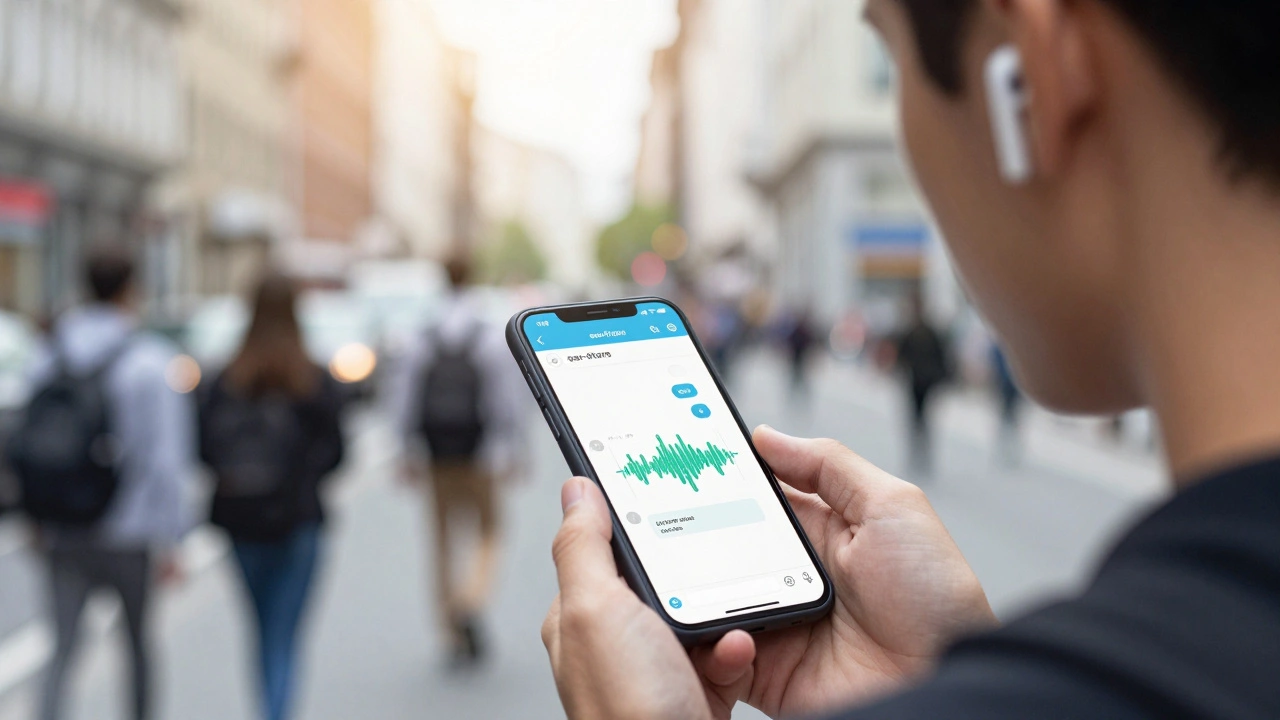
- 29/Apr/2026
- by Greg Bush
-
Telegram news formats
audio briefings
voice note transcription
news distribution
Telegram Bot API
Voice Notes and Audio Briefings: The New Era of Telegram News
Explore how voice notes and audio briefings are transforming news distribution on Telegram in 2026, including technical setups for high-quality audio and AI transcription.
Read
- 29/Apr/2026
- by Greg Bush
-
anonymous sources
Telegram news
journalistic ethics
source protection
information verification
How to Use Anonymous Sources Responsibly in Telegram News
Learn how to balance source protection and journalistic ethics when using anonymous sources on Telegram, from avoiding pitfalls to ensuring technical security.
Read
- 28/Apr/2026
- by Greg Bush
-
Telegram channel analytics
news channel metrics
forward rate
TGStat
Telemetr
Telegram Channel Analytics for News: Metrics That Matter
Stop relying on vanity metrics. Learn which Telegram channel analytics actually drive news growth, from forward rates to ERR, and how to use TGStat and Telemetr.
Read
- 28/Apr/2026
- by Greg Bush
-
live event coverage
Telegram
live blogging
real-time reporting
audience engagement
Telegram vs Traditional Live Blogs: Which is Better for Live Event Coverage?
Compare Telegram vs traditional live blogs for real-time event coverage. Learn which platform wins on speed, SEO, and engagement to choose the right tool for your reporting.
Read